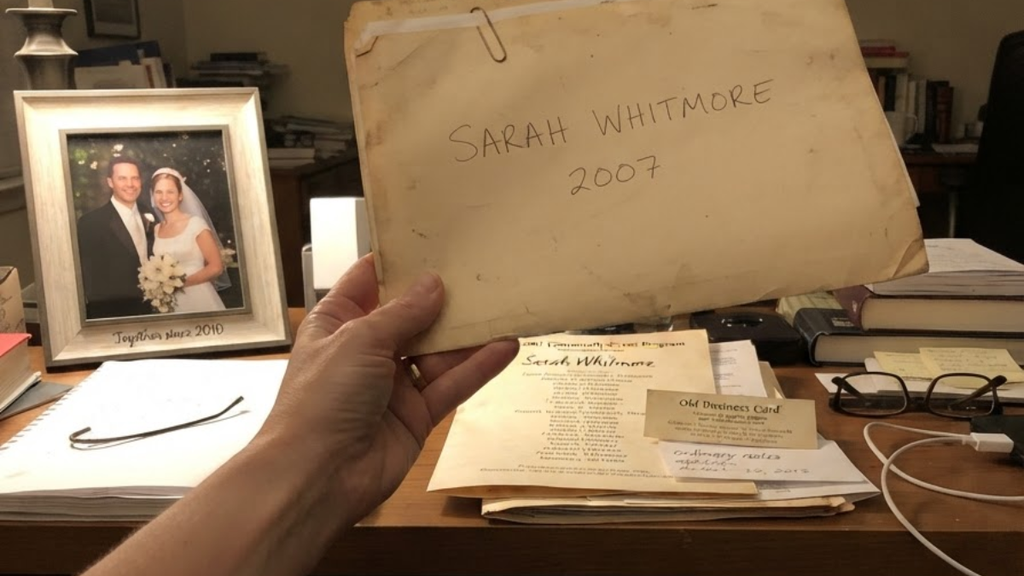
My nephew called me Aunt Claire yesterday.
He has called me that for seventeen years.
I was there the day he was born.
I changed his diapers.
I babysat him.
I bought him birthday presents and Christmas presents and stupid little souvenirs whenever we traveled because he was my sister’s only child and I loved being his aunt.
My husband taught him to ride a bike.
My husband coached his baseball team.
My husband helped him learn to drive.
My husband took him fishing.
My husband cried at his middle school graduation.
My husband bought him a ridiculously expensive laptop for his sixteenth birthday, and I teased him for being the kind of uncle who was going to make the rest of us look cheap.
Except my husband isn’t his uncle.
He’s his father.
And my sister has known that since before the kid was born.
So has my husband.
So has my mother.
Apparently my father suspected.
My aunt knew.
My sister’s ex-husband found out twelve years ago.
And my seventeen-year-old nephew has known for three years.
I was the person he called Aunt Claire.
That’s the part I can’t get past.
Not because he did anything wrong.
He didn’t.
He’s a child who was handed a secret no child should’ve been expected to carry.
But I keep hearing it.
Aunt Claire.
Aunt Claire, can you drive me home?
Aunt Claire, can I have another piece of cake?
Aunt Claire, Mom says I can stay at your house.
Aunt Claire, Uncle Ben said he’d take me fishing Saturday.
Aunt Claire.
I don’t know what I am to him anymore.
My name is Claire.
I’m forty-four.
My husband Ben is forty-six.
We’ve been married twenty-one years.
My younger sister Rachel is forty-two.
She has one son, Noah, who is seventeen.
Ben and I have two daughters.
Sophie is nineteen.
Grace is fifteen.
Rachel was married to a man named Kevin for nine years.
They divorced when Noah was five.
Until six days ago, I believed Kevin was Noah’s biological father.
So did most people.
Kevin knew he wasn’t.
He found out when Noah was five.
That’s apparently one of the reasons the marriage ended.
I knew none of this.
I found out because Noah got drunk.
That’s not funny.
He was safe.
Nobody drove.
But he’d gone to a party at a friend’s house, drank way too much, panicked, and called Sophie because he didn’t want Rachel to know.
Sophie was home from college.
She went to get him.
Then she called me because Noah was throwing up and she was scared.
I told her to bring him to our house because we were closer.
Ben was asleep.
Grace was at a sleepover.
Sophie got Noah into our downstairs bathroom.
I sat on the floor with him for probably an hour.
He was miserable.
Kept apologizing.
I told him he wasn’t dying.
He said:
“Mom is going to kill me.”
I said:
“Your mother did much worse at seventeen.”
He groaned.
Then he said:
“Don’t tell Dad.”
I assumed he meant Kevin.
I said:
“I’m not calling Kevin.”
Noah looked at me.
Really looked at me.
Then he said:
“I mean Ben.”
I laughed.
I genuinely laughed.
I said:
“Why would I tell Uncle Ben?”
Noah went completely still.
I remember that.
His face changed.
He looked toward the hallway.
Then back at me.
I said:
“What?”
He shook his head.
“Nothing.”
He was drunk.
I thought he’d misspoken.
Then he started crying.
Not drunk emotional crying.
Panicked crying.
I said:
“Noah, what is wrong?”
He said:
“I shouldn’t have said that.”
I felt something cold move through me.
I said:
“Said what?”
“Nothing.”
“You called Ben Dad.”
He covered his face.
I stared at him.
Then I said:
“Why?”
He started crying harder.
Sophie came back into the bathroom with water.
She looked between us.
“What happened?”
I said:
“Noah just called Ben Dad.”
Sophie laughed.
“What?”
Noah said:
“Please stop.”
I said:
“Noah.”
He looked terrified.
I thought maybe there was some weird emotional explanation.
Ben had been a major male figure in his life.
Kevin moved two states away after the divorce.
Maybe Noah privately thought of Ben as a father figure.
That would’ve been understandable.
I said:
“Do you think of Ben like a dad?”
Noah didn’t answer.
Sophie said:
“Mom.”
Something in her voice.
I looked at her.
She looked pale.
I said:
“What?”
She said:
“I think you should call Aunt Rachel.”
I stared at my daughter.
“What do you know?”
“Nothing.”
“Sophie.”
“I don’t know anything.”
“Then why did you say that?”
She looked at Noah.
Noah started crying again.
I said:
“Somebody needs to tell me what the fuck is happening.”
Noah whispered:
“He’s my dad.”
I said:
“Who?”
I knew.
Obviously I knew.
But my brain refused to put the words together.
Noah said:
“Ben.”
I laughed.
Not because it was funny.
Because it was impossible.
I said:
“No.”
He cried.
“I’m sorry.”
“No.”
Sophie said:
“Mom.”
I stood up.
I said:
“No. Ben is your uncle.”
Noah didn’t say anything.
I said:
“Kevin is your dad.”
He shook his head.
“Kevin raised me.”
I felt like I was going to throw up.
I said:
“Where did you hear this?”
“My mom.”
I stared at him.
“Rachel told you Ben is your father?”
“Yes.”
“When?”
“Three years ago.”
Three years.
My nephew had known since he was fourteen.
I said:
“Is this some horrible thing she told you when she was angry at Kevin?”
“No.”
“Did you take a DNA test?”
He nodded.
That was when I knew.
Not suspected.
Knew.
I sat on the bathroom floor.
I said:
“Where’s Ben?”
Sophie said:
“Upstairs.”
Of course.
My husband was sleeping twenty feet above me while his biological son sat drunk on our bathroom floor accidentally telling me the biggest secret of my life.
I asked Noah:
“Does Ben know you know?”
He nodded.
“When did he find out?”
“He always knew.”
I closed my eyes.
I said:
“Your mother always knew?”
“Yes.”
“Kevin?”
“He knows.”
“Since when?”
“I don’t know.”
Then Noah said:
“Please don’t hate Mom.”
I laughed.
He flinched.
I immediately felt horrible.
I said:
“I don’t hate you.”
“I know.”
“This is not your fault.”
He nodded.
I said:
“Do you understand me?”
“Yes.”
“You have done nothing wrong.”
He started crying harder.
I hugged him.
That was instinct.
I’ve hugged that kid his entire life.
He put his face against my shoulder and said:
“I’m sorry, Aunt Claire.”
And I broke.
Not at him.
Never at him.
I held him while I cried.
Because there it was.
Aunt Claire.
I had just learned the boy I’d loved as my nephew was my husband’s son.
My daughters’ half-brother.
And he was still apologizing to me like he’d broken something.
I told Sophie to stay with him.
Then I went upstairs.
Ben was asleep.
I turned on the light.
He opened his eyes.
He said:
“What?”
I said:
“Noah is your son.”
He went completely still.
No confusion.
No:
What are you talking about?
No laughter.
No denial.
He just stared at me.
I said:
“Get up.”
“Claire.”
“GET UP.”
He sat up.
I said:
“Is Noah your biological son?”
Ben covered his face.
That was enough.
I screamed.
I don’t even remember what.
He tried to get out of bed.
I told him not to touch me.
He said:
“Please let me explain.”
I said:
“How long have you known?”
“Since Rachel was pregnant.”
I thought I’d heard wrong.
“What?”
“I knew he might be mine.”
“Might?”
“We did a DNA test after he was born.”
My knees went weak.
I sat in the chair by the window.
I said:
“You’ve known for seventeen years.”
“Yes.”
Then I realized something.
Noah was seventeen.
But the title of this nightmare was bigger than Noah.
I said:
“When did you sleep with Rachel?”
Ben looked down.
“Before she got pregnant.”
“Obviously.”
“Claire.”
“When?”
“Eighteen years ago.”
I stared.
“Once?”
Silence.
“Ben.”
“No.”
“How many times?”
He started crying.
I said:
“How long?”
He said:
“It never completely stopped.”
I couldn’t process that.
“What does that mean?”
He said:
“Rachel and I have had a relationship.”
I actually stood up and backed away from him.
“A relationship.”
He nodded.
“For eighteen years?”
“On and off.”
I laughed.
“Eighteen years isn’t on and off.”
“We weren’t together constantly.”
“You’re married to me.”
“I know.”
“She was married to Kevin.”
“I know.”
“She’s my sister.”
“I know.”
Every answer made me angrier.
I said:
“Are you sleeping with her now?”
Long pause.
“Yes.”
I screamed.
Downstairs, I heard movement.
Then Sophie’s voice.
I lowered mine because Noah was downstairs.
I said:
“When?”
Ben said:
“Last week.”
I felt physically sick.
“Where?”
“Rachel’s house.”
“Was Noah there?”
“No.”
“Did he know?”
Ben said:
“No.”
I laughed.
“Wonderful. Glad we’re maintaining some standards.”
He cried.
I said:
“How did this start?”
He said it was complicated.
I said:
“No. It’s not. Start talking.”
Eighteen years earlier, Ben and I had been married three years.
Rachel was twenty-four.
She had been dating Kevin but they weren’t married yet.
She and I were close.
Not inseparable.
We’d fought a lot growing up.
But by our twenties we’d become friends.
Rachel was at our house constantly.
Ben liked her.
Obviously.
One summer, I traveled for work.
Three nights.
Rachel came over because she’d left something at our house after a cookout.
She and Ben drank.
They kissed.
Then slept together.
I said:
“In our house?”
He nodded.
“Our bed?”
“No.”
Again.
The fucking generosity of cheaters.
Guest room.
I said:
“And then?”
They panicked.
Agreed it would never happen again.
Then it happened again three weeks later.
Then again.
By the end of that summer, they were having an affair.
I asked:
“Did she love you?”
Ben cried.
“Eventually.”
“Did you love her?”
“Yes.”
“Did you love me?”
“Yes.”
Of course.
Always enough love for everybody except enough respect to tell the truth.
I said:
“When did she get pregnant?”
About nine months after the affair began.
Rachel was also sleeping with Kevin.
She didn’t know who the father was.
I said:
“Did Kevin know she’d been sleeping with you?”
“No.”
“Did I?”
He looked at me.
I laughed.
“Sorry. Stupid question.”
Rachel told Ben privately she was pregnant and there was a possibility it was his.
They agreed not to say anything until they knew.
Then she married Kevin.
I stopped him.
“What?”
Ben looked at me.
“She married Kevin while she was pregnant?”
“Yes.”
I knew that.
I’d been maid of honor.
But I hadn’t known she was uncertain who had fathered the baby inside her.
I said:
“Did Kevin think Noah was his?”
“Yes.”
“And you stood at their wedding knowing Noah might be yours.”
“Yes.”
I stared at him.
“Did Rachel tell you to keep quiet?”
“Yes.”
“Did you want to?”
“I didn’t know what I wanted.”
I said:
“Did you ever consider telling me?”
“Yes.”
“When?”
“Constantly.”
I laughed.
“Eighteen years is a long time to be constantly considering something.”
He looked away.
Noah was born seven months after Rachel’s wedding.
I was there.
I held Rachel’s hand during labor until Kevin arrived.
I took pictures.
Ben came to the hospital that evening.
He held Noah.
I have a picture of it.
I took it.
Ben is sitting in a hospital chair holding a tiny newborn wrapped in blue.
He’s crying.
I remember teasing him.
I said:
“You’re more emotional than Kevin.”
Everyone laughed.
Rachel didn’t.
I remember that now.
At the time, I thought she was tired.
I asked Ben:
“Did you think he was yours when you held him?”
“Yes.”
“Did Rachel?”
“Yes.”
“Did Kevin?”
“No.”
I started crying.
“Did Mom?”
Ben looked at me.
That pause was the beginning of another collapse.
I said:
“Did Mom know?”
“Not then.”
“WHEN?”
He said:
“After the DNA test.”
I stood up.
“No.”
“Claire.”
“No.”
I grabbed my phone.
He said:
“Please don’t call her right now.”
I called Mom.
She answered on the fourth ring.
It was almost two in the morning.
She sounded terrified.
“Claire?”
I said:
“Is Noah Ben’s son?”
Silence.
I said:
“Mom.”
She started crying.
I hung up.
I couldn’t listen.
I looked at Ben.
“How long has she known?”
“Seventeen years.”
I laughed.
It was almost identical to another nightmare I couldn’t have invented.
“My mother has known for seventeen years that my sister had my husband’s baby.”
“Yes.”
“Did Dad know?”
Ben said:
“I don’t know.”
I said:
“Get out.”
He said:
“Claire.”
“Get out of this house.”
“The girls—”
“GET OUT.”
He packed.
Not much.
He left.
I went downstairs.
Noah was asleep on the couch.
Sophie was sitting beside him.
She looked at me.
I said:
“Your dad is leaving.”
Her face crumpled.
She said:
“Is it true?”
I nodded.
She started crying.
Then:
“Noah is my brother?”
I nodded.
She looked at him sleeping.
Then back at me.
“Does Grace know?”
“No.”
“Does Aunt Rachel know you know?”
“Not yet.”
Sophie said:
“Mom, don’t call her tonight.”
I almost laughed.
“Why?”
She looked at Noah.
Right.
He was still her son.
Whatever Rachel had done to me, she was his mother.
I sat beside Sophie.
We stayed there until morning.
At seven, Noah woke up.
He looked horrible.
Not hangover horrible.
Terrified.
He said:
“Where’s Ben?”
I said:
“He left.”
Noah started crying.
I said:
“Hey.”
He shook his head.
“I ruined everything.”
That broke my heart.
I said:
“No.”
“I shouldn’t have gotten drunk.”
“Noah.”
“I shouldn’t have said anything.”
I grabbed his face.
Not hard.
Just made him look at me.
“You did not ruin anything.”
He cried.
I said:
“Your mother and Ben made choices eighteen years ago.”
He looked at me.
“You were not even alive.”
He nodded.
“And you should never have been asked to keep this from me.”
He said:
“Mom said it wasn’t my secret to tell.”
I laughed.
Of course she did.
“That’s what adults say when they’re asking children to carry adult secrets.”
He cried harder.
Then he said:
“I wanted to tell you.”
“Why didn’t you?”
“Because Dad asked me not to.”
I froze.
“Ben?”
“No.”
He wiped his face.
“Kevin.”
That surprised me.
“Kevin asked you not to tell me?”
He nodded.
Now Kevin was in it.
I said:
“Why?”
Noah said:
“He said it would destroy everybody.”
There it was.
The family motto.
I asked:
“When did Kevin find out?”
Noah didn’t know exactly.
He thought when he was little.
I asked:
“Does Kevin still consider you his son?”
Noah looked offended.
“He is my dad.”
I immediately said:
“You’re right.”
And he was.
Biology didn’t erase seventeen years of parenting.
Kevin had raised him.
Loved him.
Paid for him.
Stayed up with him.
Taught him things.
Moved away after the divorce but called constantly.
Had him every summer.
Noah said:
“Ben is my father. Kevin is my dad.”
That distinction was apparently one he’d already had to learn at fourteen.
I said:
“How did you find out?”
His face changed.
“Mom told me.”
“Why?”
He hesitated.
I said:
“Noah.”
“Because I was doing one of those DNA kits.”
I closed my eyes.
Of course.
Christmas gift.
A friend had gotten one.
Noah wanted to do ancestry.
Rachel panicked.
She told him before he mailed it.
I said:
“Did you still do it?”
He nodded.
That’s how they confirmed it for him.
He matched Ben’s cousin.
But apparently Rachel already had an older DNA test from when Noah was a baby.
I said:
“Where is that?”
Noah didn’t know.
I asked:
“Did Ben talk to you after you found out?”
“Yes.”
“What did he say?”
Noah started crying again.
He said Ben took him fishing.
Of course.
They went to the lake.
Ben told Noah he loved him.
Said he’d always loved him.
Said he’d always thought of him as a son privately.
I said:
“Did he ask you to call him Dad?”
“No.”
“Did you?”
“Once.”
“When?”
Noah looked down.
“That day.”
I swallowed.
“And?”
“He cried.”
I had to look away.
Because I remembered that day.
Three years ago.
Ben came home from fishing with Noah.
His eyes were swollen.
I asked if he’d been crying.
He said they’d had a really good conversation about Kevin and the divorce.
I hugged my husband.
I said:
“You’re such a good uncle.”
He held me.
He said nothing.
I asked Noah:
“Have you called him Dad since?”
“Sometimes.”
“Where?”
“When we’re alone.”
I started crying.
He said:
“I’m sorry.”
I said:
“Stop apologizing.”
He nodded.
I asked:
“Does Rachel know?”
“Yes.”
“Kevin?”
“Yes.”
“So all four of you knew.”
He nodded.
I hated myself for saying it that way.
He was fourteen.
He wasn’t part of the conspiracy.
He was trapped inside it.
I said:
“Sorry.”
He said:
“It’s okay.”
It wasn’t.
Then I asked:
“Does Sophie know?”
She looked at me.
“No.”
Noah said no.
“Grace?”
No.
“Anyone else?”
Noah hesitated.
I said:
“Who?”
“Grandma.”
“I know.”
“Grandpa.”
I stared.
“My dad knows?”
Noah looked confused.
“I thought you knew that.”
I laughed.
“No, Noah. I apparently don’t know anything.”
He said Grandpa talked to him after the DNA test too.
I called Dad.
He answered immediately.
“Claire.”
I said:
“How long have you known Noah is Ben’s son?”
He said:
“About twelve years.”
Not seventeen.
Interesting.
“How did you find out?”
Dad said he overheard Mom and Rachel arguing.
Noah was five.
He confronted Mom.
She told him.
I said:
“Why didn’t you tell me?”
Dad cried.
“I wanted to.”
“Then why didn’t you?”
“Your mother begged me not to.”
I laughed.
“And that’s enough?”
“No.”
“Did you confront Ben?”
“Yes.”
“When?”
That same week.
Dad took Ben out to the garage.
I remembered Dad and Ben having a huge fight around then.
I thought it was about money.
Dad didn’t speak to Ben for almost two months.
I asked:
“What did you say?”
Dad said:
“I told him he was a piece of shit.”
Fair.
“I told him if he ever touched Rachel again, I’d tell you.”
I went cold.
“If he ever touched her again.”
“Yes.”
“Why not tell me about the seventeen years already behind us?”
“At that point it was six.”
Right.
Noah was five.
The affair had been happening six years.
Dad said Rachel swore the affair had ended after Noah was born.
Ben swore the same.
Mom backed them up.
Dad believed them.
For a while.
I said:
“But it hadn’t.”
Dad said:
“I know that now.”
“When did you know?”
He said:
“Later.”
Of course.
“When?”
About four years after that.
He saw Ben leaving Rachel’s house early one morning.
Rachel was divorced by then.
Ben claimed he’d gone over because Noah was sick.
Dad didn’t believe him.
He confronted Rachel.
She admitted they had restarted.
I said:
“So you’ve known for eight years that the affair continued.”
“Yes.”
“And you still didn’t tell me.”
Dad started crying.
I said:
“Why?”
“Because by then Sophie was eleven and Grace was seven.”
I laughed.
“Children.”
He said:
“Yes.”
“Everybody keeps using my children as a reason I didn’t deserve the truth.”
“I know.”
“No. You don’t.”
I hung up.
Then I called Rachel.
She answered immediately.
“Claire.”
I said:
“Come over.”
She said:
“Is Noah okay?”
“He’s fine.”
“Claire—”
“Come over.”
She arrived twenty minutes later.
She looked like she’d been crying all night.
She walked in.
Noah stood.
Rachel went straight to him.
She hugged him.
He said:
“I’m sorry.”
She said:
“You have nothing to be sorry for.”
Good.
At least she got that right.
Then she looked at me.
I said:
“Eighteen years.”
She nodded.
I slapped her.
I’m not proud of that.
I’m also not going to pretend I didn’t.
She stumbled backward.
Sophie screamed:
“Mom!”
Noah yelled:
“Stop!”
I immediately stepped away.
I said:
“You’re right.”
Not to Rachel.
To the kids.
I said:
“I’m sorry.”
Rachel held her cheek.
She said:
“I deserved that.”
I said:
“Don’t.”
Because that irritated me too.
Don’t make yourself noble for accepting one slap after eighteen years of sleeping with my husband.
I told Sophie and Noah to go upstairs.
Noah refused.
He said:
“I’m not leaving Mom alone with you.”
That hurt.
Not because he was wrong.
Because despite everything, Rachel was his mother.
I said:
“Okay.”
So my seventeen-year-old nephew-slash-stepson-slash-whatever-the-hell sat at my kitchen island while I confronted his mother about the affair that created him.
There is no parenting book for this.
I asked Rachel:
“How long?”
“Eighteen years.”
“Continuously?”
“No.”
“Explain.”
She said there were periods when it stopped.
During her pregnancy.
After Noah was born.
During parts of her marriage.
After Dad found out.
After Grace was born.
During her divorce.
Then it restarted.
Again.
Again.
Again.
I said:
“Longest you ever went without sleeping with my husband?”
She thought.
“About two years.”
“Recently?”
“No.”
“How long ago?”
“After Noah was born.”
I laughed.
“So basically my entire marriage.”
She nodded.
“Yes.”
“Did you love him?”
“Yes.”
“Do you love him?”
She started crying.
“Yes.”
Noah looked down.
I said:
“Did you ever want him to leave me?”
Silence.
“Rachel.”
“Yes.”
Noah closed his eyes.
“Did you ask him?”
“Sometimes.”
“And?”
“He always said no.”
That hurt in a different way.
Not comforting.
Just another disgusting configuration.
My husband had apparently been sleeping with my sister for eighteen years while insisting he wasn’t leaving his wife.
I said:
“Did you resent me?”
Rachel cried.
“Sometimes.”
“For what?”
“For having him.”
I laughed.
“You had him.”
“Not the way you did.”
“What does that mean?”
She said I had the house.
The marriage.
Holidays.
Vacations.
Children he publicly acknowledged.
I stared at her.
Then looked at Noah.
Rachel immediately realized what she’d said.
She said:
“Noah, I didn’t mean—”
He stood.
“No.”
She said:
“Honey.”
He walked upstairs.
Rachel started after him.
I said:
“Leave him.”
She stopped.
I said:
“So that’s what this was.”
She cried.
“I don’t know.”
“You were jealous that my children got to have their father publicly.”
“Claire.”
“While your son had to call his father Uncle Ben.”
She sobbed.
I said:
“Whose decision was that?”
“All of ours.”
“Mine?”
She looked at me.
“No.”
“Then not all.”
She nodded.
“You’re right.”
I asked about the DNA test.
Rachel said Noah was two months old.
She took him privately.
Buccal swabs.
Mail-in lab.
Not some modern ancestry thing.
She and Ben paid cash.
I said:
“Where was Kevin?”
“At work.”
“Where was I?”
She started crying.
“With me.”
I froze.
“What?”
She looked sick.
I said:
“What do you mean with you?”
I remembered.
Vaguely.
Rachel had asked me to come over one afternoon because she was overwhelmed with the baby.
I spent hours there.
Held Noah.
Did laundry.
Made her lunch.
She left for maybe forty minutes.
She told me she had a postpartum appointment.
She didn’t.
She went to mail the paternity test.
I stared at her.
“You used me as childcare while you mailed a DNA test to find out whether my husband fathered your baby.”
She sobbed.
“Yes.”
I stood up.
I walked away.
I couldn’t even scream.
That was too specific.
Too cruel.
I remembered holding Noah.
Tiny.
Fussy.
Walking around Rachel’s living room bouncing him.
Singing some stupid song.
My sister was mailing away evidence that the baby in my arms might be my husband’s child.
I said:
“When did the result come?”
About a week later.
Positive.
Ben was the father.
Rachel called him.
They met in a grocery store parking lot.
I said:
“What did you decide?”
They decided Kevin would remain Noah’s father.
Ben would remain Uncle Ben.
Nobody would tell me.
I said:
“Just like that?”
Rachel shook her head.
They argued for hours.
Ben wanted to tell me initially.
That surprised me.
Rachel didn’t.
She said it would destroy both families.
She had just married Kevin.
I had Sophie, who was two at the time.
Grace wasn’t born yet.
I said:
“Did Mom know by then?”
Rachel nodded.
“How?”
Rachel had told her during pregnancy that Ben might be the father.
I stared.
“So Mom knew before Noah was born.”
“Yes.”
“Ben told me seventeen years.”
Rachel looked confused.
“She knew there was a possibility before. She knew for sure after.”
Of course.
Technical truth.
The family specialty.
I said:
“Did Mom tell you to keep it from me?”
Rachel started crying.
“Yes.”
I closed my eyes.
There was the next layer.
My mother hadn’t simply discovered the secret.
She helped decide the plan.
Rachel said Mom told her:
“You have to think about the children.”
I laughed.
Sophie.
Two years old.
Noah.
Two months.
The children who would spend the next seventeen years living inside a lie designed supposedly to protect them.
I asked:
“Did Mom ever tell Ben to stay away from you?”
“Yes.”
“Did he?”
“For a while.”
“How long?”
Nine months.
Then they restarted.
I said:
“Where?”
Rachel looked away.
“At Mom and Dad’s cottage.”
I laughed.
“Of course.”
We had a family cottage.
Everybody had access.
Ben went up supposedly to open it for spring.
Rachel happened to go because she needed a break.
Mom had Noah.
I froze.
“Mom had Noah.”
Rachel closed her eyes.
I said:
“Did Mom know you were both going?”
Silence.
“Rachel.”
“Yes.”
That was worse.
I said:
“She facilitated it.”
“No.”
“She watched your baby while you went to a cottage with my husband.”
“She thought we were going to talk.”
I laughed.
“Mom has apparently spent two decades thinking adults who have affairs need private rooms to talk.”
Rachel cried.
I called Mom again.
She didn’t answer.
I called twice.
Third time.
“Claire.”
I said:
“Did you babysit Noah so Rachel could meet Ben at the cottage?”
She started crying.
“I thought they were ending it.”
“Did you know they were both there?”
“Yes.”
“Did you tell me?”
“No.”
“Did you ask where I thought my husband was?”
Silence.
He had told me he was opening the cottage for Dad.
Mom knew that.
She let me believe it.
I hung up.
Rachel was still at the table.
I said:
“When did Kevin find out?”
When Noah was five.
Not from Rachel.
From a medical issue.
Noah needed a minor procedure.
There was some blood typing involved.
Not a dramatic impossible-blood-type revelation by itself, but enough that Kevin started asking questions because he’d already suspected Rachel had cheated.
He confronted her.
She admitted Ben might not be Noah’s father.
I said:
“Might?”
Rachel looked ashamed.
She lied even then.
Kevin demanded a DNA test.
Rachel eventually showed him the old result.
Kevin left the house that night.
He stayed at a hotel.
He came back two days later.
I said:
“And?”
“He said Noah was his son.”
That was the first thing in this entire story that made me cry for somebody other than myself.
Kevin knew.
He was devastated.
But Noah was five.
He had raised him from birth.
He said biology didn’t change that.
He agreed not to tell Noah.
I said:
“Why didn’t he tell me?”
Rachel said:
“Because I begged him.”
“That’s not enough.”
“He hated Ben.”
“Good.”
“He wanted to tell you.”
“But?”
“He was afraid you’d leave Ben and Ben would try to become Noah’s father.”
I stopped.
That actually made sense.
Horribly.
Kevin believed that as long as I remained married to Ben and the secret stayed hidden, Ben would remain Uncle Ben.
If I discovered the affair and left, Ben might decide he had nothing left to protect.
Then he might pursue a public relationship with Rachel.
And claim Noah.
Kevin was afraid of losing his son.
I sat down.
“So Kevin protected the lie because he was protecting his place as Noah’s father.”
Rachel nodded.
I hated it.
I understood it.
I hated that I understood it.
Then I asked:
“Is that why you divorced?”
“Partly.”
“What else?”
She laughed sadly.
“What do you think?”
She loved Ben.
Kevin knew.
He couldn’t live with it.
He could forgive a past affair more easily than the fact that Rachel still had feelings for my husband.
I said:
“Was the affair active when you divorced?”
Rachel said no.
I didn’t believe her.
She saw it.
“It wasn’t.”
“For how long?”
“Almost a year.”
“And after the divorce?”
She looked down.
“Three months.”
I laughed.
“So Kevin leaves because he knows you’re in love with Ben, and three months later you start sleeping with Ben again.”
“Yes.”
“Did Kevin know?”
“Eventually.”
“Did he threaten to tell me?”
“Yes.”
“What stopped him?”
Rachel started crying.
“Noah.”
Again.
Always Noah.
Kevin believed exposing everything would force Noah into the center of an adult disaster.
He also worried Ben might seek legal recognition.
I asked:
“Did Ben ever want that?”
Rachel didn’t answer.
“Did he?”
“Once.”
My stomach dropped.
“When?”
After Rachel’s divorce.
Ben apparently suggested that maybe the truth should finally come out.
He could acknowledge Noah.
I could decide what I wanted to do.
Rachel could be with him.
I said:
“He was going to leave me.”
Rachel said:
“I don’t know.”
“Did he say that?”
“He said he couldn’t keep living two lives.”
I laughed.
“When was this?”
Twelve years ago.
Grace was three.
Sophie was seven.
I remembered that year.
Ben was miserable.
Distant.
I thought his business was struggling.
He started going to the gym at five in the morning.
He lost weight.
Barely slept.
I thought he was depressed.
Apparently he was considering detonating our family.
I said:
“What happened?”
Rachel said:
“Your mom.”
Of course.
Mom talked him out of it.
I stared.
“Mom talked my husband out of telling me?”
Rachel nodded.
Mom told Ben he needed to think about Sophie and Grace.
She told Rachel to think about Noah.
She told both of them that Kevin was still Noah’s father in every way that mattered.
She said exposing the truth would destroy three children’s understanding of their family.
I said:
“And everybody listened.”
“Yes.”
I laughed.
“Mom should’ve been a hostage negotiator.”
Rachel didn’t laugh.
I said:
“Did Dad know then?”
“No.”
He found out shortly afterward.
That explained his huge fight with Ben.
Dad discovered the paternity secret after Mom had just successfully convinced everyone to keep it buried.
Dad threatened to tell me.
Mom told him that if he did, Noah could lose Kevin.
Sophie and Grace could lose their father.
I could lose my marriage.
Dad backed down.
I said:
“So Mom is the reason.”
Rachel said:
“No.”
I looked at her.
She said:
“We’re the reason.”
That was probably the first decent thing she’d said.
She continued.
“Mom helped. She lied. She covered. She convinced us not to tell you. But Ben and I did this.”
I nodded.
“Yes.”
Rachel cried.
Then I asked:
“Why did it continue?”
She laughed through tears.
“I don’t know.”
“Eighteen years and you don’t know?”
“I loved him.”
“Then why didn’t you tell me?”
“Because I loved you too.”
I almost threw something.
Instead I said:
“Stop.”
She did.
I said:
“Do not tell me you fucked my husband for eighteen years because you loved me too much to tell me.”
She cried.
“I know.”
“No. You loved having me as your sister.”
She looked at me.
“You loved having Ben.”
Silence.
“You loved having Noah.”
Silence.
“You loved having Mom and Dad.”
Silence.
“You loved having Kevin raise your son.”
She flinched.
“You wanted everything.”
She nodded.
“Yes.”
There it was.
No noble explanation.
She wanted everything.
And for eighteen years, she almost had it.
She had a sister.
A lover.
A son.
A co-parent in Kevin.
Parents who protected her.
Family holidays.
No public scandal.
No consequences large enough to make her choose.
I asked:
“Did you ever think about what would happen when Noah turned eighteen?”
Rachel went still.
I noticed.
“What?”
She said:
“We had a plan.”
Of course they had a plan.
“What plan?”
She looked upstairs.
Noah was still up there.
She lowered her voice.
“Ben and I agreed we would tell you after Noah graduated.”
I stared at her.
“What?”
“He turns eighteen in June.”
“I know when my nephew’s birthday is.”
She flinched.
“We were going to tell you this summer.”
I laughed.
No.
I couldn’t stop.
I actually bent over the counter laughing.
Rachel cried.
I said:
“Eighteen years.”
She nodded.
“You were going to tell me in eight months.”
“Yes.”
“Why?”
“Because Noah would be an adult.”
“So?”
“Kevin couldn’t challenge anything.”
I stopped laughing.
“What?”
Rachel looked horrified that she’d said it.
I said:
“Explain.”
She said it wasn’t about taking Noah from Kevin.
I said:
“Then explain.”
Once Noah was eighteen, there would be no custody issue.
No court.
No possibility of Ben trying to establish parental rights.
No legal fight between Kevin and Ben.
No child custody implications.
The adults could finally tell the truth without Noah becoming a legal battleground.
I said:
“Did Kevin know about this plan?”
“No.”
“Mom?”
“Yes.”
“Ben?”
“Obviously.”
“Dad?”
“No.”
I said:
“So Mom, you, and my husband had selected the date when I was finally allowed to know my own life.”
Rachel cried.
“Yes.”
I said:
“Was Ben going to leave me?”
She didn’t answer.
I felt cold.
“Rachel.”
“We hadn’t decided.”
“We?”
She closed her eyes.
I said:
“You and my husband were deciding whether he would leave me.”
“We talked about it.”
“Recently?”
“Yes.”
“How recently?”
“Last week.”
The week they’d slept together.
I said:
“What did you talk about?”
She didn’t want to answer.
I made her.
They had been talking about Noah’s eighteenth birthday for almost a year.
About what came next.
Whether they would tell me.
Whether Ben would acknowledge Noah publicly.
Whether Rachel and Ben would finally try being together.
Whether Ben would stay married to me.
I said:
“How is that an option?”
Rachel looked confused.
“What?”
“You were going to tell me you’d slept with my sister for eighteen years, fathered her child, lied about it for seventeen years, and then ask whether I’d like to continue the marriage?”
She started crying.
“Ben thought maybe.”
I laughed.
Of course Ben did.
Then Rachel said:
“I didn’t.”
That surprised me.
“What?”
She didn’t believe I’d stay.
She thought telling me would end my marriage.
I said:
“And then what?”
She looked down.
“You two finally get your chance.”
“I don’t know.”
“Bullshit.”
She said:
“I don’t know if I want to be with Ben.”
I stared at her.
Eighteen years.
A child.
My marriage destroyed.
And she didn’t know if she wanted him.
She said:
“An affair isn’t a marriage.”
I laughed.
“Thank you, Rachel. That’s incredibly insightful.”
“I’m not trying to—”
“Then what are you saying?”
She said:
“I love him. But we’ve never had to live together.”
There it was.
She’d spent eighteen years wanting my husband without ever having to experience him as one.
I got the mortgage.
The laundry.
The business stress.
The snoring.
The school forms.
The broken dishwasher.
The fights about money.
The daughters needing rides.
The flu.
The boring Tuesdays.
Rachel got stolen afternoons.
Cottage weekends.
Texts.
Sex.
Fishing trips disguised as family activities.
And the occasional fantasy about someday.
I said:
“So you wanted him until having him became possible.”
She started crying.
“I don’t know.”
I said:
“That’s going to be really comforting during my divorce.”
She said:
“I’m sorry.”
I said:
“Go home.”
She asked about Noah.
I said:
“He can decide.”
Noah came downstairs ten minutes later.
He said he wanted to go with Rachel.
I said okay.
He hugged me.
I hugged him back.
Then he whispered:
“Can I still call you Aunt Claire?”
I nearly collapsed.
I said:
“Of course.”
He cried.
I said:
“I’m still your aunt.”
Technically.
Biologically.
Emotionally.
Whatever else had changed, Rachel was still my sister.
That made me his aunt.
He was also my husband’s son.
My daughters’ half-brother.
Families apparently don’t have words for what happens when people violate the structure badly enough.
Noah said:
“I don’t want you to hate me.”
I said:
“I couldn’t.”
He hugged me harder.
Then he left.
I called Ben.
I said:
“You were going to tell me after Noah turned eighteen.”
Silence.
“Yes.”
“Why?”
He gave me the custody explanation.
I said:
“And then?”
“I don’t know.”
“Would you have left me?”
He started crying.
“I didn’t know.”
“Did you want to be with Rachel?”
“Part of me.”
I laughed.
“Everybody has parts.”
He said:
“I love you.”
“Stop.”
“I do.”
“You have an entire seventeen-year-old child with my sister.”
“I know.”
“You’ve been sleeping with her for eighteen years.”
“I know.”
“And you were discussing whether you might finally leave me after your son turned eighteen.”
He said:
“Yes.”
I asked:
“Did you ever plan to tell Sophie and Grace that Noah is their brother?”
“Yes.”
“When?”
“After we told you.”
“How considerate.”
Then I asked:
“Did you ever call him your son?”
Ben cried.
“Yes.”
“To Rachel?”
“Yes.”
“To Mom?”
“Yes.”
“To him?”
“Yes.”
“But around me?”
“Never.”
That hurt.
I said:
“Did you ever almost slip?”
He laughed through tears.
“Constantly.”
Then he told me about one.
Noah was six.
He fell off his bike in our driveway.
Split his chin.
Blood everywhere.
Ben picked him up.
Apparently he said:
“I’ve got you, buddy.”
Normal.
But later at the ER, Ben filled out paperwork while Rachel was parking.
Under relationship to child, he started writing father.
He caught himself.
Crossed it out.
Wrote uncle.
I was sitting three chairs away.
I remembered.
I remembered teasing him about his terrible handwriting because the form looked messy.
He laughed.
I said:
“Was there ever a time you wished I knew?”
“Yes.”
“When?”
“Every time something happened with him.”
First steps.
First word.
First day of school.
Bike.
Baseball.
Hospital.
Graduation.
Learning to drive.
Ben experienced his own son’s life as an uncle.
I almost felt sorry for him.
Then I remembered he chose it.
Every year.
I said:
“You could’ve told me.”
“I know.”
“You could’ve acknowledged him.”
“I know.”
“You could’ve left.”
“I know.”
“But you wanted both.”
He cried.
“Yes.”
At least everyone had finally stopped pretending otherwise.
Then I asked the question that had been sitting underneath everything.
“Does Noah look like you?”
Silence.
“Ben.”
“Yes.”
I closed my eyes.
Of course he did.
I thought Noah looked like our side of the family.
Rachel and I have similar coloring.
Noah has dark hair like me.
Like Rachel.
Like Ben.
He has Ben’s chin.
I had literally said that before.
Years ago.
Christmas.
Noah was maybe ten.
Someone took a picture of Ben and Noah making the same annoyed face.
I laughed and said:
“You two look related.”
The room went quiet.
I remembered that now.
At the time, Mom quickly said:
“Well, Ben’s been around him his whole life. Kids pick up expressions.”
Everyone laughed.
I accepted it.
I asked Ben:
“Do you remember that?”
“Yes.”
“Did Mom know what she’d just covered?”
“Yes.”
I called her.
She answered crying.
I said:
“You remember Christmas when I said Noah looked like Ben.”
She said yes.
“You covered.”
“Yes.”
“How many times?”
She didn’t know.
I said:
“Try.”
There were more.
So many small moments.
People commenting on how close Ben and Noah were.
Someone saying Noah had Ben’s mannerisms.
A baseball coach assuming Ben was Noah’s father.
A waitress once handing the check to Rachel and Ben because she assumed they were Noah’s parents while I was sitting right there.
Mom always redirected.
Rachel laughed.
Ben laughed.
Everybody made it normal.
Then Mom told me something I didn’t know.
My grandmother noticed.
She died six years ago.
I sat down.
“Grandma knew?”
“She suspected.”
“When?”
Noah was around eight.
Grandma told Mom:
“That boy looks like Ben.”
Mom dismissed it.
Grandma brought it up again.
Then apparently she asked Rachel directly.
Rachel denied it.
Grandma never knew for sure.
I said:
“Did Grandma ever ask you?”
“Yes.”
“What did you say?”
“I lied.”
Of course.
Grandma died believing she was probably imagining things.
I said:
“Who actually knew for sure?”
Mom.
Rachel.
Ben.
Kevin.
Dad eventually.
Noah eventually.
Aunt Lisa.
I stopped.
“What?”
Mom went quiet.
“My sister Lisa.”
Another aunt.
“When?”
“After Kevin found out.”
“Why?”
Because Mom needed someone to talk to.
I laughed.
“Apparently everybody needed support except me.”
Mom cried.
I said:
“Who else?”
She swore that was it.
I didn’t believe anyone anymore.
Then Mom said:
“There’s something you need to understand about Kevin.”
I almost hung up.
“What?”
“He didn’t only stay quiet because he was afraid of losing Noah.”
“What else?”
“He made Ben promise something.”
I went still.
“What?”
After Kevin found out, he confronted Ben.
Not Rachel.
Ben.
They met at a restaurant.
Kevin told him:
“You don’t get to be his father.”
Ben agreed.
Kevin said:
“You can be his uncle. You can love him. You can show up. But I’m his dad.”
Ben agreed.
Then Kevin said:
“And you stay with Claire.”
I stared at the wall.
“What?”
Mom cried.
Kevin believed Ben staying married to me was part of what kept the arrangement stable.
If Ben left me, there was a chance he’d pursue Rachel.
If Ben pursued Rachel, he might eventually want to publicly acknowledge Noah.
So Kevin made staying with me part of the deal.
Not legally.
Not formally.
But morally, in Kevin’s mind.
Ben could have access to Noah as Uncle Ben as long as he did not blow up both families.
I said:
“Did Ben agree?”
“Yes.”
I laughed.
My marriage had been negotiated in a restaurant without me.
My sister’s husband told my husband to stay married to me so he wouldn’t claim their son.
My husband agreed.
My mother knew.
I said:
“Did Rachel know?”
“Eventually.”
“Did Dad?”
“No.”
I called Kevin.
He answered.
I said:
“I know.”
He was quiet.
Then:
“I’m sorry.”
I said:
“Did you tell Ben he had to stay married to me?”
Silence.
“Yes.”
“Who the fuck gave you that right?”
“No one.”
“Then why?”
His voice broke.
“Because Noah was five.”
I stopped.
He said:
“I had already lost my marriage.”
Rachel and Kevin were barely hanging on.
He knew Rachel loved Ben.
He knew Ben was Noah’s biological father.
He was terrified.
He said:
“I thought if Ben stayed with you, Rachel couldn’t have him.”
I said:
“So you used my marriage to protect yours.”
“No.”
“To protect your relationship with Noah.”
He cried.
“Yes.”
I understood.
Again.
God, I hated understanding these people.
Kevin said:
“I was his dad.”
“You are his dad.”
He started crying harder.
I said:
“I’m not taking that away from you.”
He thanked me.
I said:
“Don’t thank me yet.”
He stopped.
“You still let me live twelve years without knowing.”
“I know.”
“You watched me at graduations.”
“I know.”
“Birthday parties.”
“I know.”
“You sat across from Ben.”
“Yes.”
“Knowing he was Noah’s father.”
“Yes.”
“And you never told me.”
“No.”
I said:
“Why?”
He said:
“Because I was selfish.”
Finally.
No protection.
No children.
No greater good.
He said:
“I was afraid if you knew, I would lose my son.”
I said:
“You decided my life was acceptable collateral.”
He cried.
“Yes.”
That answer hurt.
But I respected it more than most of the explanations I’d heard.
I said:
“Did you know the affair continued?”
Kevin hesitated.
“Sometimes.”
“Did you know recently?”
“No.”
“Would you have told me?”
“I don’t know.”
I laughed.
At least everyone was consistent.
Then he said:
“Claire.”
“What?”
“There’s one thing you don’t know.”
I almost screamed.
“What?”
“The money.”
I sat down.
“What money?”
Ben had been sending money for Noah.
Not child support.
Not officially.
Kevin wouldn’t accept that.
But after Kevin and Rachel divorced, Ben started contributing.
School expenses.
Sports.
Summer camps.
Eventually part of Noah’s first car.
I said:
“From our money.”
Kevin said:
“I assumed Rachel told you.”
I laughed.
“No.”
I went through our accounts.
Nothing obvious.
Then I remembered Ben had a separate business account.
He owned a commercial HVAC company.
I called our accountant.
I didn’t explain everything.
I asked for records.
Two days later, I found it.
Payments to Rachel.
Not monthly.
Irregular.
Five hundred.
Eight hundred.
Two thousand.
Sometimes cash withdrawals around Noah’s birthday.
Tuition for a private baseball program paid directly from the company card.
Laptop.
Car repairs.
Over twelve years, at least $74,000.
I stared at the number.
Seventy-four thousand dollars.
My husband had financially supported his secret child with my sister while I thought he was being a generous uncle.
I remembered arguing with Ben about the laptop.
It cost almost two thousand dollars.
I said:
“He’s your nephew, not your kid.”
Ben got angry.
He said:
“I can afford it.”
Now I knew why.
He was buying his son a laptop.
I called him.
“Seventy-four thousand.”
He went silent.
“Is that all?”
“I don’t know.”
“Find out.”
He did.
Closer to ninety-one.
Some wasn’t documented cleanly.
Cash.
Trips.
Sports.
Insurance deductible once.
College application fees.
I laughed.
“Did Rachel ever ask?”
“Sometimes.”
“Did you offer?”
“Sometimes.”
“Did Mom know?”
“Some.”
Of course.
“Did Kevin?”
“Some.”
“Did I?”
“No.”
Always the easiest answer.
No.
I asked:
“Did you have a college fund?”
Silence.
“Ben.”
“Yes.”
Separate investment account.
About $38,000.
For Noah.
I said:
“Whose money?”
“Mine.”
“We were married.”
He stopped.
“You’re right.”
I cried then.
Not because I begrudged Noah the money.
That’s the fucked-up part.
If Ben had come to me years ago and said:
Rachel is struggling, I want to help with Noah’s baseball.
I probably would’ve said yes.
I loved Noah.
I spent money on him too.
But this wasn’t generosity.
It was secret fatherhood financed inside my marriage.
I asked:
“Was the account in Noah’s name?”
“No.”
“Whose?”
“Mine.”
“Beneficiary?”
“Rachel.”
I laughed.
There it was.
A tiny financial family.
Ben.
Rachel.
Noah.
Existing alongside me.
I said:
“What happens to it?”
“I want Noah to have it.”
I said:
“So do I.”
Ben sounded surprised.
I said:
“Don’t confuse my anger with wanting to punish him.”
“I don’t.”
“Good.”
That money is going to Noah.
My lawyer knows about it.
It will be accounted for in the divorce, but I have no interest in taking his college money.
He didn’t create this.
Then Sophie found out.
Not from me.
From Noah.
He couldn’t carry it anymore.
He came to our house.
They went for a drive.
Two hours later Sophie came home alone.
Her face was white.
She walked into the kitchen.
I knew immediately.
She said:
“Noah is my brother.”
I nodded.
She started crying.
Then:
“Dad is his dad.”
“Yes.”
“Aunt Rachel and Dad.”
“Yes.”
“For how long?”
“Eighteen years.”
She screamed.
Not words.
Almost exactly the sound I’d made.
Then she said:
“That’s almost my entire life.”
I realized.
Sophie was nineteen.
The affair started when she was one.
There was essentially no version of her childhood where her father wasn’t sleeping with her aunt.
She said:
“Does Grace know?”
“No.”
“Mom.”
“I know.”
“She has to.”
“I know.”
We told Grace together.
Not every detail.
Enough.
Ben was there because he is her father and I refused to make myself solely responsible for explaining his choices.
Rachel was not.
Grace listened.
Then she said:
“So Noah is my brother.”
Ben said yes.
She asked:
“Did you know?”
“Yes.”
“Since he was born?”
“Yes.”
“Did Mom?”
“No.”
She looked at me.
I shook my head.
Grace started crying.
Then she asked:
“Did Grandma know?”
Nobody answered quickly enough.
She said:
“Oh my God.”
That was the moment I watched my fifteen-year-old realize the adults in her family had constructed an entire reality around her too.
She stood.
Ben tried to hug her.
She stepped away.
That destroyed him.
Good.
I hate saying that.
But good.
Then Grace asked:
“Does Noah get to be our brother now?”
Nobody knew how to answer.
Sophie did.
“He already is.”
Grace looked at her.
Sophie said:
“We just didn’t know.”
That was probably the healthiest sentence anyone had said in weeks.
Noah came over two days later.
It was awkward.
How could it not be?
He had spent seventeen years being their cousin.
Now he was also their half-brother.
Grace stared at him for so long he finally said:
“Please stop.”
She laughed.
Then cried.
Then hugged him.
Sophie joined.
I went into the kitchen because I couldn’t watch.
Not because it was bad.
Because it was beautiful in a way that made me furious.
Those three children had been robbed of knowing what they actually were to each other.
Ben and Rachel always claimed secrecy protected them.
Protected the cousins.
Protected the family.
But Sophie said something later that destroyed that argument.
She said:
“I would’ve loved having a brother.”
Ben cried when I told him.
I didn’t tell him to hurt him.
It was simply true.
Sophie had always wanted a brother.
She had one.
At birthday parties.
Christmas.
Vacations.
Sitting beside her at Thanksgiving.
She just wasn’t allowed to know.
Noah told me something similar.
He said when he was little, he used to wish Ben were his dad.
Before he knew.
He thought Ben was fun.
More present than Kevin after the divorce.
He once asked Rachel why Uncle Ben couldn’t be his dad too.
Rachel went into the bathroom and cried.
I said:
“How old were you?”
“Seven or eight.”
I thought about Ben hearing that.
I asked:
“Did Rachel tell him?”
Noah nodded.
Of course she did.
Ben knew his son wanted him to be his father.
And still remained Uncle Ben.
Because telling the truth cost too much.
Then the final piece came from Dad.
He asked me to meet him.
I almost refused.
Then he said:
“It’s about your mother.”
I went.
Dad looked exhausted.
He said:
“I don’t think your mother has told you everything.”
I laughed.
“That would be on brand.”
He didn’t smile.
Then:
“She didn’t just convince them to keep the paternity secret.”
I waited.
“She helped them keep seeing each other.”
I felt cold.
“What do you mean?”
Dad said after he discovered the affair when Noah was five, he demanded it stop.
Mom agreed.
Or claimed to.
Years later, Dad realized Mom occasionally knew when Rachel and Ben were together.
I said:
“How?”
There was one Thanksgiving.
I remembered it.
About seven years ago.
Ben disappeared for forty minutes.
Rachel also disappeared.
I thought Ben had gone to get ice.
Rachel said she had a migraine and went upstairs.
Mom volunteered to clean the kitchen and kept everyone downstairs.
Dad went looking for something in the garage.
Ben’s car was there.
He hadn’t gone for ice.
Dad realized.
He went upstairs.
Rachel’s room was empty.
He confronted Mom.
She admitted she knew Ben and Rachel had gone to a motel.
I actually couldn’t speak.
“On Thanksgiving?”
“Yes.”
“Mom covered for them.”
Dad nodded.
“Why?”
He said Mom told him:
“If they don’t get it out of their systems, they’re going to blow up both families.”
I laughed.
Eighteen years.
Apparently they had very resilient systems.
Dad said Mom believed allowing occasional contact reduced the chance Ben would leave me.
I stared at him.
“Mom facilitated the affair to preserve my marriage.”
Dad cried.
“Sometimes.”
I stood.
“How many?”
“I don’t know.”
“How many times did she cover?”
“I don’t know.”
I called Mom from the parking lot.
She answered.
I said:
“Thanksgiving.”
Silence.
I said:
“Seven years ago.”
She started crying.
“Claire.”
“How many times?”
She said:
“Not many.”
I laughed.
“Give me a number.”
“Maybe six.”
Six.
My mother had knowingly created or protected opportunities for my husband and sister to continue their affair.
Not because she approved.
Because she thought controlled cheating was safer than uncontrolled truth.
I said:
“You managed them.”
She cried.
“I thought if they saw each other occasionally, Ben wouldn’t leave.”
I couldn’t breathe.
“You were rationing my husband to my sister.”
“Claire, please.”
“That’s what you did.”
“I know how it sounds.”
“How it sounds?”
I screamed.
“You let Rachel have my husband in doses because you thought that would keep him married to me.”
Mom sobbed.
I said:
“Did Rachel know that’s what you were doing?”
“Yes.”
“Ben?”
“Yes.”
I almost dropped the phone.
They knew.
My husband knew my mother was occasionally facilitating his affair with my sister because she believed it would preserve his marriage to me.
My sister knew.
My mother knew.
I said:
“Did Dad?”
“Not all of it.”
“Did Kevin?”
“No.”
“So even inside the conspiracy, you were lying to each other.”
Mom cried.
“Yes.”
That was somehow fitting.
There wasn’t one secret.
There were layers.
Rachel knew things Dad didn’t.
Mom knew things Kevin didn’t.
Kevin knew things I didn’t.
Ben knew things Mom didn’t.
Noah knew things Sophie didn’t.
Everyone had a different version.
Everyone was making decisions based on incomplete information.
Except Ben and Rachel.
They had the whole story.
They always had.
I said:
“Why didn’t you just tell me?”
Mom whispered:
“Because I was afraid you’d leave him.”
I said:
“I would have.”
“I know.”
There it was.
Finally.
Not:
I didn’t want to hurt you.
Not:
The children.
Not:
The family.
The actual reason.
She knew what I would choose.
And she didn’t want me to choose it.
I said:
“You weren’t protecting me.”
“No.”
“You were preventing me from leaving.”
“Yes.”
I cried.
Mom cried.
Then I said:
“I don’t know if I can have a relationship with you.”
She said:
“I understand.”
I hung up.
That was three weeks ago.
Ben and Rachel are not together.
At least not currently.
The hilarious part, if anything about this can be hilarious, is that after eighteen years of destroying other people’s relationships to preserve theirs, neither one seems sure they actually want the other.
Ben is in an apartment.
Rachel is at her house.
They speak because of Noah.
Noah has told both of them he does not want to be the reason they either get together or stay apart.
He actually said:
“You’ve used me as an excuse long enough.”
He’s seventeen.
That kid has more clarity than every adult involved.
Kevin came to see me last week.
First time we’d been alone together in probably fifteen years.
He apologized.
I said:
“I understand why you did it.”
He said:
“That doesn’t make it right.”
I said:
“No.”
He said:
“I was afraid Ben would take my son.”
I said:
“I know.”
Then he cried.
He said:
“I spent twelve years treating you like the threat when you were the only person who didn’t know there was a war.”
That one got me.
Because yes.
Kevin protected his fatherhood.
Mom protected the family.
Dad protected the grandchildren.
Rachel protected access to Ben.
Ben protected his marriage and his relationship with Rachel.
Everybody had something they were protecting.
I was the collateral.
And so were the kids.
The divorce is moving forward.
There isn’t a scenario where it doesn’t.
I don’t care whether Ben and Rachel ever sleep together again.
I don’t care whether they discover they’re soulmates.
I don’t care whether they hate each other six months from now.
That’s theirs.
The only relationship I care about preserving from this mess is the one between the kids.
Noah still calls me Aunt Claire.
I asked him if he wanted to call me something else.
He looked horrified.
“Like what?”
I laughed.
“I don’t know.”
He said:
“You’re my aunt.”
I said:
“Yes.”
Then he smiled a little.
“And technically my stepmom?”
I said:
“Absolutely fucking not.”
He laughed so hard he almost fell off the couch.
It was the first time we’d laughed together since this happened.
Then he got quiet.
He said:
“Are Sophie and Grace really my sisters?”
“Yes.”
“Even if you and Ben divorce?”
“Yes.”
“Even if Mom and Ben never get together?”
“Yes.”
He nodded.
Then:
“Good.”
That broke my heart more gently than everything else.
Because underneath all the adults’ lies was a kid who had spent three years knowing he had sisters he wasn’t allowed to call sisters.
Now he can.
Sophie already changed his contact name in her phone from “Noah Cousin” to “Noah Brother/Cousin Disaster.”
Grace thinks that’s hilarious.
Noah hates it.
They’re figuring it out.
So am I.
I don’t know what Rachel and I are.
She’s still my sister.
Biology doesn’t disappear because someone betrays you.
Unfortunately.
But I haven’t spoken to her in almost two weeks.
Mom texts occasionally.
I don’t answer most of them.
Dad and I speak.
Kevin and I have talked twice.
Ben and I communicate about the girls and finances.
Everything else can wait.
What can’t wait anymore is pretending that keeping people together is always the same thing as protecting a family.
My mother kept my marriage intact for eighteen years.
She succeeded.
My husband stayed.
My sister stayed nearby.
Noah had Kevin.
Sophie and Grace had their father.
We had Christmas.
Thanksgiving.
Birthdays.
Graduations.
Vacations.
Family pictures.
Everyone stayed exactly where Mom thought they belonged.
And underneath all of it, my husband and sister continued a relationship that had produced a child everyone expected to spend his entire life calling his biological father Uncle Ben.
That’s what “keeping the family together” bought us.
A son who couldn’t call his father Dad.
Two girls who weren’t allowed to know they had a brother.
A man who spent twelve years terrified somebody would take away the child he’d raised.
A father who knew enough to hate my husband but not enough to stop the lie.
A mother who eventually became so committed to preventing the truth that she started facilitating the betrayal herself.
And me.
The woman everybody claimed they were protecting.
The only adult in the family who wasn’t allowed to know what family she was actually in.
I keep thinking about the day Noah was born.
I have the photograph in front of me right now.
Rachel is in the hospital bed.
Kevin is beside her.
I’m standing behind them.
Ben is sitting in the chair holding Noah.
My mother is standing near the window.
Five adults.
A newborn.
At the time, I thought I understood exactly who everyone was.
Rachel was my sister.
Kevin was her husband.
Noah was their son.
Ben was my husband.
Mom was our mother.
I was Aunt Claire.
Now I know Rachel was looking at the father of her baby.
Ben was holding his son.
Mom knew there was a possibility.
Kevin believed he was holding the life he’d built with his wife.
And I was smiling because I had absolutely no idea.
Seventeen years later, Noah got drunk at a party.
He sat on my bathroom floor.
And when he was scared, sick, and not thinking clearly enough to remember the rules everybody had given him, he asked me not to tell Dad.
Not Kevin.
Ben.
One word.
Dad.
That’s all it took.
Eighteen years of lies collapsed because a seventeen-year-old boy got drunk enough to call his father what he’d secretly been calling him for three years.
Everyone keeps apologizing for what happened after that.
Noah doesn’t anymore.
I made him stop.
Because for once, the person who told me the truth is the one person in this family who doesn’t owe me an apology.
He still calls me Aunt Claire.
And now when he says it, I don’t hear the lie anymore.
I hear the one relationship in this entire mess that was actually what I thought it was.
I loved him as my nephew before I knew he was my husband’s son.
I love him as my nephew now.
The adults made almost everything else complicated.
They don’t get to take that from us too.
I wish that had been the last thing.
It should’ve been.
There are only so many ways your husband can betray you with your sister before you’d think the story becomes repetitive.
Then Kevin called me.
He said:
“I found something.”
I actually said:
“No.”
He went quiet.
I said:
“I’m serious. If it’s another account or another person who knew or some cabin they bought together, I don’t want it.”
“It’s not.”
“Then what?”
“It’s about the plan.”
I sat down.
“What plan?”
“The one for after Noah turned eighteen.”
I didn’t say anything.
Kevin continued.
Noah had left an old laptop at Kevin’s house the previous summer.
Not Noah’s current laptop.
An older one Rachel had given him.
Rachel had used it before him.
Kevin was clearing things out because Noah had asked him to bring some boxes when he came for Thanksgiving.
He turned on the laptop to see whether there was anything Noah needed.
Rachel’s old email account was still logged in.
I said:
“Did you go through it?”
“Yes.”
At least he didn’t pretend otherwise.
I asked:
“What did you find?”
“Emails between Rachel and your mom.”
That surprised me.
Not Ben.
Mom.
I said:
“How recent?”
“Last year.”
I felt cold.
“Send them.”
He hesitated.
“Claire.”
“Send them.”
A minute later, they were on my phone.
There were seven screenshots.
The first email was from Rachel to Mom.
Fourteen months earlier.
Subject:
Next year.
Rachel wrote:
I’ve been thinking about what we talked about. I don’t think I can let Noah graduate and go off to college still carrying this.
Mom:
I agree.
Rachel:
Then we tell Claire?
Mom:
I think you have to.
Rachel:
Ben thinks so too.
Mom:
Does Ben understand what that probably means?
Rachel:
Yes.
Mom:
For his marriage?
Rachel:
Yes.
I stared at that for a long time.
Then kept reading.
Mom:
And what does he think happens after?
Rachel:
He doesn’t know.
Mom:
What do YOU think happens after?
Rachel:
I don’t know.
Mom:
Rachel.
Rachel:
I know what you want me to say.
Mom:
I don’t want you to say anything. I’m asking whether you expect Ben to leave Claire and come to you.
Rachel:
Sometimes.
Mom:
That isn’t an answer.
Rachel:
Sometimes I think that’s what happens.
Mom:
And other times?
Rachel:
I think Claire leaves him and then he realizes he doesn’t actually want me when I’m not secret.
That was brutally honest.
I read it twice.
Then Mom:
Have you told him that?
Rachel:
No.
Mom:
You need to.
Rachel:
Why?
Mom:
Because you cannot blow up Claire’s marriage after eighteen years and only THEN discover the two of you don’t actually want the same thing.
I laughed.
Actually laughed.
My mother, apparently the director of this entire nightmare, was finally concerned about responsible affair planning.
The next screenshot was from two weeks later.
Rachel:
We talked.
Mom:
And?
Rachel:
He says he doesn’t know whether he wants to leave her.
Mom:
Then you cannot tell Claire yet.
I stopped.
I reread it.
Then again.
Then you cannot tell Claire yet.
My hands started shaking.
Rachel:
Mom, we HAVE to tell her.
Mom:
I know.
Rachel:
You literally just said last month that we do.
Mom:
I do think you have to tell her. But you need to understand what you’re doing first.
Rachel:
Why does what Ben wants afterward matter?
Mom:
Because Claire is going to ask.
Rachel:
We can tell her we don’t know.
Mom:
After eighteen years?
Rachel:
That’s the truth.
Mom:
Then figure it out.
I called Mom.
She didn’t answer.
I called again.
Nothing.
I kept reading.
Another email.
Eleven months earlier.
Rachel:
Ben thinks maybe he stays.
Mom:
With Claire?
Rachel:
Yes.
Mom:
Does he think she’s going to want that?
Rachel:
He says he doesn’t know.
Mom:
She won’t.
Rachel:
I know.
Mom:
Then what does “stay” mean?
Rachel:
He thinks if we tell her and he ends things with me completely, maybe eventually she forgives him.
Mom:
And you’re okay with that?
Rachel:
No.
Mom:
Then there is your problem.
Rachel:
I hate this.
Mom:
I know.
Rachel:
I spent my entire adult life waiting for something that maybe was never going to happen.
Mom:
You chose that.
Rachel:
I know.
Mom:
Claire didn’t.
I stopped.
That line.
Claire didn’t.
Mom knew.
She understood.
A year ago.
Probably long before that.
I kept reading.
Rachel:
Do you think she’ll ever speak to me again?
Mom:
I don’t know.
Rachel:
What would you do?
Mom:
If my sister did this to me?
Rachel:
Yes.
Mom:
I don’t know if I could forgive her.
Rachel:
Great.
Mom:
You asked.
Rachel:
I know.
Then:
Rachel:
Do you think you’ll lose Claire too?
There was a six-hour gap.
Mom:
Yes.
Rachel:
I’m sorry.
Mom:
So am I.
Rachel:
Do you regret helping us?
Another gap.
Mom:
Every day.
Rachel:
Then why did you?
Mom:
Because every time I thought about telling Claire, I pictured what came after.
Rachel:
And?
Mom:
I kept choosing the family I could see over the damage Claire couldn’t.
I stared at that.
The family I could see.
That’s exactly what Mom had done.
As long as I didn’t know, Christmas happened.
Birthdays happened.
Rachel came over.
Ben came over.
Noah called him Uncle Ben.
Kevin remained Dad.
My daughters had cousins.
Mom had daughters.
Dad had a family.
Everything visible remained intact.
Only the invisible part was rotting.
Then the final screenshot.
Eight months ago.
Rachel:
Noah turns 18 in June.
Mom:
I know.
Rachel:
Ben wants to tell her in July.
Mom:
After graduation?
Rachel:
Yes.
Mom:
Not at graduation.
Rachel:
Obviously.
Mom:
And not before Sophie goes back to school.
Rachel:
Why?
Mom:
Because if Claire needs her, Sophie should be home.
I stopped reading.
That detail destroyed me.
My mother had planned the timing of my devastation around my daughter’s college calendar.
Not whether to tell me.
When.
She had apparently moved into logistics.
Rachel:
That’s probably smart.
Mom:
I hate that we’re discussing this like a schedule.
Rachel:
Me too.
Mom:
Does Claire have anything important at work in July?
Rachel:
I don’t know.
Mom:
Find out without making it obvious.
I threw my phone.
It landed on the couch.
I sat there staring at it.
Find out without making it obvious.
They were planning the best week to destroy my life.
Like scheduling surgery.
Like moving an appointment.
Make sure Sophie is home.
Make sure Claire doesn’t have anything important at work.
Don’t do it near graduation.
Wait until Noah is legally an adult.
I picked the phone back up.
There was one more line.
Rachel:
What about Grace?
Mom:
There is never going to be a good time for Grace.
Rachel:
She’s going to hate Dad.
Mom:
Probably.
Rachel:
She’s going to hate me.
Mom:
Probably.
Rachel:
I don’t know if I can do this.
Mom:
You should have thought about that eighteen years ago.
I called Mom again.
This time she answered.
I said:
“July.”
Silence.
Then:
“Claire.”
“You picked July.”
She started crying.
I said:
“You were planning my breakdown.”
“No.”
“Don’t.”
“I wasn’t.”
“You told Rachel to check my work schedule.”
Mom sobbed.
“I was trying to make sure you had support.”
“BEFORE I KNEW I NEEDED SUPPORT.”
“I know.”
“You were planning where Sophie would be.”
“Yes.”
“You were discussing Grace.”
“Yes.”
“You were choosing when my husband and sister would tell me they’d had a child together.”
“Yes.”
I said:
“Were you going to be there?”
She went quiet.
“Mom.”
“Yes.”
I laughed.
“Of course.”
Apparently the plan was for Ben and Rachel to tell me together.
Mom would be nearby.
Not in the room initially.
But available.
I said:
“Was Dad part of this?”
“No.”
“Why?”
“Because your father wanted them to tell you sooner.”
That surprised me.
Dad had found out they planned to wait until Noah turned eighteen and said it was insane.
He told Mom that once they had decided to confess, delaying another year for legal convenience was cruel.
Mom disagreed.
She believed waiting until Noah was eighteen protected him from custody complications.
Dad said Noah was already seventeen and Kevin was obviously his father in every meaningful sense.
Mom said she wasn’t willing to risk it.
I said:
“So you and Dad fought about when I was allowed to learn the truth.”
“Yes.”
“Did anyone consider asking me?”
She cried.
“I know.”
“No, answer.”
“No.”
I said:
“You were still doing it.”
“Doing what?”
“Managing my life.”
She didn’t answer.
“Even when you’d finally decided to tell me, you still couldn’t just tell me.”
I started crying.
“You had to arrange it.”
“I’m sorry.”
“You had to make sure the conditions were right.”
“I know.”
“You had to control what happened next.”
She whispered:
“Yes.”
I said:
“You were never protecting me from the truth.”
Mom cried.
I said:
“You were protecting everyone else from my reaction to it.”
She didn’t answer.
That was it.
That was what eighteen years had been.
Not:
Claire can’t handle this.
Claire shouldn’t be hurt.
Claire deserves happiness.
It was:
What will Claire do if she knows?
She’ll leave Ben.
She’ll stop speaking to Rachel.
She’ll confront Kevin.
She’ll tell the children.
She’ll blow up holidays.
She’ll change the family.
She’ll make choices we can’t control.
So don’t tell Claire.
I hung up.
Then I called Ben.
He already knew Kevin had found the emails.
Rachel had called him.
I said:
“July.”
He said:
“Yes.”
“You were going to tell me in July.”
“Yes.”
“Where?”
He paused.
I laughed.
“You picked a location too?”
“Our house.”
“Our house.”
“Yes.”
“Why?”
“Because I thought you’d want to be home.”
I said:
“How thoughtful.”
“Claire.”
“Did you have a speech?”
“No.”
“Did Rachel?”
“No.”
“Did Mom?”
“No.”
“Did you plan what happened after?”
Silence.
I said:
“Did you?”
“Some.”
“What does some mean?”
Ben said he had looked at apartments.
I stopped breathing for a second.
“When?”
“Last winter.”
“You looked at apartments.”
“Online.”
“Did you tour any?”
“Two.”
I laughed.
There it was.
The next layer.
“With Rachel?”
“No.”
“Did she know?”
“Yes.”
“Did Mom?”
“Yes.”
“Did Dad?”
“No.”
“What were the apartments for?”
“In case you asked me to leave.”
I said:
“You mean when.”
He didn’t answer.
“You knew I would.”
“I thought you probably would.”
“So before telling me, you arranged somewhere to go.”
“I didn’t sign anything.”
“Congratulations.”
I asked:
“Did you look at places near Rachel?”
Silence.
“Ben.”
“One was.”
I felt sick.
“How near?”
“About ten minutes.”
“And the other?”
“Twenty-five.”
“How far from us?”
“Forty.”
I laughed.
“So your backup plan for getting thrown out after telling me you had an eighteen-year affair with my sister was to move closer to her.”
“It wasn’t like that.”
“It is exactly like that.”
He said he needed to be near Noah.
I laughed again.
“Noah lives with Rachel.”
“I know.”
“And Sophie and Grace live with me.”
“I know.”
“Interesting geography.”
He cried.
I said:
“Did you notice that when you were touring?”
“Yes.”
“And?”
“I hated myself.”
“Apparently not enough to stop.”
“No.”
At least he was done arguing.
Then I asked:
“Did you and Rachel ever look at houses together?”
“No.”
Immediate.
I believed that one.
“Did you discuss living together?”
“Yes.”
Of course.
“When?”
“Over the years.”
“Recently.”
Pause.
“Yes.”
“How recently?”
“Last year.”
I closed my eyes.
“What did you say?”
Ben said Rachel asked whether, if I left him after the truth came out, he would want to live with her.
He said he didn’t know.
Rachel got angry.
They fought.
She said she’d spent eighteen years accepting scraps and wasn’t going to become his consolation prize after I finally threw him out.
That almost made me laugh.
I said:
“She was worried about being your consolation prize?”
Ben didn’t respond.
“Did either of you notice I was the actual wife in this situation?”
“Yes.”
“Apparently not enough.”
“No.”
I asked:
“Did you want to stay married to me after telling me?”
“Yes.”
That surprised me even though Rachel had already said it.
“Why?”
“Because I love you.”
I laughed.
“Stop using that sentence like it fixes anything.”
“It doesn’t.”
“You thought you’d tell me Noah was your son and Rachel had been your affair partner for eighteen years, and then what? We’d go to counseling?”
“I didn’t know.”
“Did you imagine that?”
“Yes.”
I stared at the wall.
“Did Mom encourage that?”
Silence.
“Ben.”
“Yes.”
Of course.
Mom had apparently told Ben that if he truly wanted to preserve our marriage, he needed to end the relationship with Rachel before telling me.
Not after.
Before.
Give it several months.
Then tell me.
That way, when I found out, he could truthfully say the affair was over.
I couldn’t believe it.
I said:
“So even the confession was going to be curated.”
Ben cried.
“Yes.”
“You were going to manufacture a clean ending first.”
“Yes.”
“Then hand me the truth after you’d made it as survivable for yourself as possible.”
He said nothing.
I asked:
“Did you end it?”
“No.”
I laughed.
“What happened?”
They tried.
Lasted six weeks.
Then restarted.
Which is why the confession got pushed.
Originally they’d discussed telling me in January.
Then after the affair restarted, Mom said they couldn’t.
I said:
“Wait.”
My heart started pounding.
“January of this year?”
“Yes.”
“You were supposed to tell me eight months ago.”
“Yes.”
“Why didn’t you?”
“Because Rachel and I started seeing each other again.”
I laughed.
“So Mom postponed my right to know because your affair wasn’t presentable enough.”
“Claire.”
“No. That’s what happened.”
He cried.
“Yes.”
I hung up.
Then I called Rachel.
I said:
“January.”
She knew.
“Yes.”
“Why did you restart?”
She cried.
“I don’t know.”
“Try.”
They’d stopped.
Really tried.
No contact outside family necessities.
No private texts.
No sex.
No meetings.
Six weeks.
Then Christmas.
Of course.
Our entire family was at Mom and Dad’s.
Kevin had Noah until noon.
Rachel came early.
Ben went to help Dad with something.
I was home wrapping gifts.
Rachel and Ben were at Mom and Dad’s together.
Mom was there.
Dad was running errands.
Rachel said she and Ben ended up alone in the basement.
I said:
“Did Mom know?”
“No.”
They kissed.
Then later met at Rachel’s house.
The affair restarted.
Mom found out three days later.
She was furious.
Not because her daughter and son-in-law had resumed an eighteen-year affair.
Because they’d ruined the confession plan.
I laughed so hard I started coughing.
Rachel said:
“It’s not funny.”
“It is a little.”
She didn’t argue.
I said:
“What did Mom say?”
Rachel hesitated.
“Tell me.”
Mom said:
“Then we wait.”
That was it.
Then we wait.
I said:
“She postponed it.”
“Yes.”
“Until July.”
“Eventually.”
Because if they stopped again, there would be enough distance.
And Noah would be eighteen.
And Sophie would be home.
And Grace would be out of school.
And apparently my work calendar could be checked.
Perfect conditions.
Perfect devastation.
I said:
“You know what would’ve happened?”
Rachel cried.
“What?”
“I would’ve spent January through July living with a husband who knew the date he planned to destroy my life.”
She said nothing.
“Birthdays.”
Silence.
“Valentine’s Day.”
Silence.
“Mother’s Day.”
Silence.
“Our anniversary.”
Rachel whispered:
“I know.”
I stopped.
“Our anniversary.”
I did the math.
June.
Our twenty-first anniversary would’ve happened about three weeks before the planned confession.
I said:
“Was Ben going to celebrate our anniversary?”
Rachel started crying.
“I don’t know.”
I called him back.
“June nineteenth.”
He went silent.
“What were you going to do?”
“Claire.”
“Our anniversary.”
“I don’t know.”
“Bullshit.”
He had already booked something.
A weekend in Chicago.
I laughed.
Of course.
A hotel.
Dinner reservation.
Theater tickets.
I said:
“You were going to take me on an anniversary trip three weeks before telling me you’d been sleeping with my sister for eighteen years.”
He sobbed.
“I didn’t know what else to do.”
“Cancel it.”
“I thought that would make you suspicious.”
There it was.
He was going to romance me to maintain the deception long enough to confess on schedule.
I said:
“Was Rachel okay with that?”
“She didn’t know.”
Finally.
Something she didn’t know.
I called her.
I told her.
She went completely silent.
Then:
“He booked Chicago?”
“Yes.”
“For your anniversary?”
“Yes.”
“Before telling you?”
“Yes.”
She hung up on me.
I actually smiled.
Not because I cared that they were fighting.
Because for once information had moved sideways instead of everyone else having it before me.
Twenty minutes later, Ben called.
I declined.
Rachel called.
I answered.
She was furious.
At Ben.
I said:
“Careful.”
“What?”
“You’re getting mad at my husband for taking his wife on an anniversary trip.”
She stopped.
I said:
“Do you hear yourself?”
Rachel started crying.
She said:
“I know.”
“No. You don’t get to be betrayed by him in my marriage.”
That landed.
She apologized.
Then she said:
“He told me he was going to make things less intimate between you two before telling you.”
I stared.
“What?”
Apparently Ben had told Rachel that as the confession approached, he was going to create some emotional distance from me.
Not enough to make me suspicious.
Just enough that if our marriage ended, it wouldn’t feel like going from perfect to destroyed overnight.
I almost couldn’t comprehend the arrogance.
“He was going to emotionally prepare me without telling me.”
Rachel said:
“That’s what he said.”
I called Ben.
Again.
He answered.
I said:
“Were you planning to slowly distance yourself from me before the confession?”
Silence.
“Yes.”
I laughed.
“You were going to manipulate me into being less attached to my own husband so I’d be easier to leave.”
“I thought it might make it less painful.”
“FOR WHO?”
He started crying.
“I don’t know.”
“Yes, you do.”
He said:
“For me.”
Finally.
Because if I already felt us drifting, maybe my reaction would be less catastrophic.
Maybe he could tell himself the marriage had already been struggling.
Maybe he could tell other people.
We’d been having problems.
We’d grown apart.
Then the affair and paternity revelation wouldn’t look like a bomb dropped into a happy marriage.
It would look like the final fracture in an already weakening one.
I said:
“You were going to rewrite our marriage before ending it.”
He said:
“I know.”
I asked:
“Had you started?”
Long pause.
“Ben.”
“A little.”
That one hurt.
I thought back over the last year.
He’d been more distant.
Not dramatically.
Less sex.
More nights watching television separately.
More time at work.
Fewer spontaneous plans.
I thought it was twenty years of marriage.
Normal ebb and flow.
He had been manufacturing distance.
Not all of it.
I’m sure some was real.
But some was deliberate.
I said:
“Did Mom know?”
“No.”
“Rachel?”
“Some.”
I said:
“So while Mom was planning the safest day to tell me, you were quietly making my marriage worse so you’d feel less guilty when it ended.”
He cried.
“Yes.”
I hung up.
That was when something shifted.
Until then, a tiny stupid part of me had still been asking whether any of this could’ve been salvaged if they’d told me differently.
Not the marriage.
I knew that was over.
But some version of my relationships.
Rachel.
Mom.
Dad.
Maybe even friendship with Ben someday.
Then I realized they hadn’t merely hidden the past.
They were actively planning my future.
Again.
They had decided when I would learn.
Who would be home.
How old Noah would be.
Where Ben might live.
Whether Ben and Rachel would be together.
Whether Ben would try to save the marriage.
How emotionally attached I should be when he confessed.
Whether the affair needed to be over long enough to make the confession easier.
They were still arranging me.
Right up until Noah got drunk.
That was the only reason the plan failed.
A seventeen-year-old drank too much vodka at a friend’s house and forgot which father he was supposed to mean when he said Dad.
The next discovery came from Noah himself.
Not drunk this time.
He asked if he could talk to me.
We sat in my car because apparently every important conversation in my life now happened somewhere uncomfortable.
He said:
“I think Mom and Ben wanted me to tell you.”
I stared at him.
“What?”
“Not like that.”
“Explain.”
He said after he found out at fourteen, there had been conversations about when I should know.
Rachel told him eventually they would tell me.
Ben said the same.
Then over the last year, as eighteen got closer, they started asking Noah what he wanted.
I said:
“That’s good.”
He looked at me.
“No.”
I understood.
They weren’t simply respecting his feelings.
They were putting part of the decision on him.
Noah said:
“Mom would say things like, ‘If you ever feel like you need Aunt Claire to know, tell me.'”
I closed my eyes.
Ben had said:
“When you’re eighteen, we can finally stop pretending if that’s what you want.”
I said:
“They made it your choice.”
“Kind of.”
Noah looked miserable.
He said:
“I didn’t want it to be my choice.”
Of course he didn’t.
He was a kid.
If he said tell me, he destroyed my marriage.
If he said don’t tell me, he became part of the secret.
I said:
“Did you ever tell them that?”
“Yes.”
“What did they say?”
“They said they were trying to give me control.”
I laughed bitterly.
Control.
Another beautiful word adults use when handing children responsibility they don’t want themselves.
Noah said:
“I think part of me wanted you to find out without me choosing.”
That stopped me.
He looked ashamed.
I said:
“That’s okay.”
He started crying.
He said:
“Sometimes I thought about saying Dad around you.”
I didn’t breathe.
“On purpose?”
He nodded.
“Did you ever?”
“No.”
“Why not?”
“I got scared.”
I reached for his hand.
He said:
“That night I was drunk, I wasn’t trying to tell you.”
“I know.”
“But after I said it, I remember thinking I didn’t want to take it back.”
I started crying.
He said:
“I was scared, but I was also relieved.”
I squeezed his hand.
“You should’ve never been carrying it.”
He nodded.
Then:
“Can I tell you something bad?”
“Yes.”
“Sometimes I was mad at you.”
That surprised me.
“Why?”
“Because you didn’t know.”
I understood immediately.
He cried.
“I know that’s stupid.”
“It’s not.”
He said he’d sit at family dinners looking at me laughing with Ben and feel angry.
I’d call Ben his uncle.
I’d say things like:
“Your Uncle Ben is obsessed with your baseball.”
Or:
“You’ve got your uncle wrapped around your finger.”
And Noah would feel furious.
Not because I’d done anything.
Because I was living inside a reality he knew was false.
He said:
“Then I’d feel guilty because you didn’t know.”
I said:
“You were fourteen.”
“I know.”
“No. You need to really hear that.”
He looked at me.
“You were fourteen years old and four adults had handed you information that could destroy multiple relationships.”
He cried.
“Whatever you felt was allowed.”
He nodded.
Then he told me something else.
Ben had given him a letter.
Not to read yet.
To open on his eighteenth birthday.
I stared.
“Do you still have it?”
“Yes.”
“Have you read it?”
“No.”
“Do you want to?”
He didn’t know.
I said:
“Then don’t.”
He looked surprised.
“You don’t want to know what’s in it?”
Of course I did.
Every damaged part of my brain wanted to rip it open.
I said:
“It’s yours.”
He cried.
That was apparently unusual in this family.
Something belonging to the person it was actually about.
Three days later, Noah called me.
He’d opened it.
He asked if I wanted to read it.
I said only if he wanted me to.
He did.
The letter was written almost a year earlier.
Ben wrote:
Noah,
If you’re reading this, you’re eighteen, which means for the first time nobody else gets to decide what our relationship is legally or practically.
I had to stop.
Noah said:
“Keep going.”
So I did.
Ben wrote that he had loved Noah from the moment he held him.
That calling himself Uncle Ben had been both a gift and a punishment.
A gift because it allowed him to be in Noah’s life.
A punishment because every milestone reminded him of what he had chosen not to claim.
Then:
Kevin is your dad. I will never ask you to take that word away from him.
Good.
Then:
But if there is room in your life for me to be your father too, I want that more than I know how to explain.
I looked at Noah.
He was crying.
I kept reading.
Then came the part that mattered.
By the time you read this, Claire should know.
Should.
Not might.
Should.
Ben had written the letter assuming I would have been told before Noah’s birthday.
He wrote:
I don’t know what my marriage will look like when you read this.
I don’t know what your mother and I will be to each other.
I don’t know whether Claire will ever forgive either of us.
But I am done asking you to call the truth something else to protect adults.
I laughed.
Noah looked at me.
“Sorry.”
“No. I get it.”
I said:
“Your father has incredible timing when it comes to developing principles.”
Noah actually laughed.
Then we finished.
The final paragraph said:
Whatever happens, you are my son. You have always been my son. I am sorry that I made you carry the cost of my choices before you were old enough to understand them.
That part was fair.
I handed the letter back.
Noah said:
“Do you hate him?”
I said:
“Right now?”
“Yeah.”
“I hate what he did.”
“That’s not what I asked.”
I thought.
“I don’t know.”
He nodded.
Then:
“Do you hate Mom?”
Same answer.
“I don’t know.”
“Do you hate Grandma?”
I laughed.
“You’re really going down the list.”
He smiled.
Then:
“Do you hate me?”
“No.”
Immediate.
He nodded.
“Okay.”
I said:
“That one’s easy.”
He cried.
I hugged him.
That should have been the end.
Then my father called me.
He’d confronted Mom about the July plan.
Apparently Dad had not known how detailed it was.
He knew there had been talk of waiting until Noah was eighteen.
He did not know about checking my work schedule.
Sophie being home.
Ben touring apartments.
The attempt to end the affair before telling me.
He was furious.
I said:
“Welcome.”
Dad didn’t appreciate that.
Then he said:
“There’s something else.”
I actually groaned.
He said:
“I know.”
“What?”
“Your mother gave Rachel money.”
I sat up.
“For what?”
Dad had found a withdrawal from one of their investment accounts.
Twenty-five thousand dollars.
About ten months earlier.
Mom told him at the time it was to help Rachel with home repairs.
Dad believed her.
Now he asked again.
It wasn’t for home repairs.
It was for an attorney.
I felt cold.
“What attorney?”
Rachel had consulted a family-law attorney.
Not about custody.
Noah was almost eighteen.
About paternity disclosure.
Inheritance.
Birth certificate issues.
Whether Ben could legally establish paternity after Noah turned eighteen.
Whether changing anything would affect Kevin.
Whether Noah could legally change his surname if he wanted.
Whether Ben could include Noah in estate planning without publicly establishing paternity.
I said:
“Why did Rachel need twenty-five thousand dollars for a consultation?”
She didn’t.
Most of the money remained in an account.
Mom had given Rachel a cushion.
For after the truth came out.
I called Mom.
“Twenty-five thousand dollars.”
She cried.
I said:
“You gave Rachel escape money.”
“Not escape.”
“What?”
“Security.”
I laughed.
“From what?”
Mom said Rachel was terrified.
If the truth came out, she could lose me.
Dad.
Possibly her relationship with Noah.
Maybe her home if legal costs exploded.
She was afraid.
I said:
“So you gave her twenty-five thousand dollars.”
“Yes.”
“Did you give me twenty-five thousand dollars?”
Silence.
“Did you set aside money for my attorney?”
“No.”
“Apartment?”
“No.”
“Therapy?”
“No.”
“Did you make sure I had a financial cushion before you detonated my marriage?”
Mom sobbed.
“No.”
That one nearly ended whatever relationship we had left.
I said:
“You prepared Rachel.”
“I know.”
“You prepared Ben.”
“I know.”
“You prepared Noah.”
“I know.”
“You prepared yourself.”
She cried.
“Yes.”
“Everybody got preparation except me.”
Silence.
I said:
“You didn’t even protect me from the truth. You protected everybody from me finding out.”
She whispered:
“Yes.”
There it was again.
I asked:
“Where’s the money?”
Rachel still had most of it.
I said:
“I want you to take it back.”
Mom said:
“I can’t tell Rachel what to do.”
I laughed.
“Apparently that’s a new philosophy.”
She cried.
I said:
“Do whatever you want.”
Then I hung up.
Rachel called an hour later.
Mom had called her.
Of course.
Rachel said she was returning the money.
I said:
“I don’t care.”
“I want you to know.”
“Why?”
“Because you’re right.”
I said:
“I don’t need you to agree with me.”
She cried.
Then:
“I think Mom was trying to make sure I didn’t fall apart.”
I laughed.
“I know.”
“That’s not fair to you.”
“No.”
“I didn’t ask her for it.”
“Did you take it?”
“Yes.”
“Then you accepted it.”
She went quiet.
I said:
“Everybody accepted something.”
That was the story.
Ben accepted my marriage.
Rachel accepted being the secret.
Kevin accepted Uncle Ben.
Dad accepted silence.
Mom accepted becoming the administrator of everybody’s lies.
Noah accepted a secret at fourteen because adults told him he had to.
I was the only person who wasn’t offered terms.
The only one who never got to accept or reject anything.
Then Sophie found the family photos.
Not intentionally.
We were starting to box up some of Ben’s things.
She found an external hard drive.
Mostly photos.
Thousands.
She called me into the office.
She had one open.
Noah’s first birthday.
Ben was holding him.
Normal picture.
Except Sophie had found a folder.
Not hidden.
Just labeled:
N.
Inside were pictures of Noah.
Hundreds.
From birth to seventeen.
Some I’d taken.
Some Rachel.
Some Ben.
Some clearly sent privately.
First bath.
First steps.
Sleeping.
Baseball.
Halloween.
School pictures.
Hospital.
Driver’s permit.
Ben had maintained a private photo archive of his son for seventeen years.
Sophie stared at me.
She said:
“He had more pictures of Noah than us.”
I said:
“Don’t.”
She looked at me.
“Mom.”
“Don’t count.”
Too late.
She had.
Not literally every photo.
But enough.
She felt it.
I said:
“Your dad had to hide pictures of Noah. He didn’t have to hide pictures of you.”
She cried.
“I know.”
“That doesn’t mean he loved him more.”
“I know.”
But it hurt her.
Of course it did.
Then she opened a subfolder.
Letters.
I wanted to close it.
She said:
“No.”
“Sophie.”
“I’m nineteen.”
She was.
I hated it.
There were letters Ben had written to Noah over the years.
Never sent.
First birthday.
Fifth.
Tenth.
Thirteenth.
Sixteenth.
He wrote about being proud.
About wishing he could tell him.
About Kevin.
About me.
One line from Noah’s tenth birthday:
Claire said tonight that I love you like you’re my own. I almost told her the truth.
Sophie covered her mouth.
I remembered saying it.
Birthday dinner.
Ben had spent weeks building Noah a batting cage in Rachel’s yard.
I told him:
“You love that kid like he’s your own.”
He said:
“I do.”
True.
Completely true.
I just didn’t understand what he’d said.
Another letter.
After Noah’s middle school graduation:
Your sisters were proud of you today. They don’t know they’re your sisters.
Sophie started crying.
I closed the laptop.
She said:
“No.”
I said:
“Enough.”
She yelled:
“I want to know.”
I yelled back:
“And I want one person in this family to stop digging through things that hurt them just because they’re there.”
She froze.
So did I.
Then I apologized.
She cried.
I hugged her.
She said:
“I feel stupid.”
“For what?”
“I loved how much Dad loved Noah.”
I understood.
She said:
“I thought it meant he was a good person.”
That hurt.
I said:
“Your dad loving Noah isn’t the bad part.”
She looked at me.
“It isn’t.”
I meant that.
Noah deserved his father’s love.
The lie was the bad part.
The affair.
The manipulation.
The money.
The secret.
But a father loving his son wasn’t something I wanted Sophie to learn to hate.
I said:
“You don’t have to turn every good thing into a bad thing just because you know more now.”
She cried.
“How do you know which is which?”
I said:
“I don’t.”
That was the truth.
We’re all still figuring it out.
Then Grace asked the question nobody else had.
“Does Noah get anything when Dad dies?”
We all stared at her.
She said:
“What? He’s his kid.”
Fifteen-year-olds are brutally practical.
That question led to another discovery.
Ben had changed his will four years earlier.
Noah was included.
Not by name as son.
But as a specific beneficiary.
Twenty percent of Ben’s estate.
Sophie and Grace each forty.
I stared at the document.
My daughters had always been fifty-fifty before.
Ben had quietly changed it after Noah learned the truth.
I called him.
“You changed the girls’ inheritance.”
He said:
“I included my son.”
“Without telling me.”
“Yes.”
“Did Rachel know?”
“Yes.”
“Mom?”
“Yes.”
Of course.
“Did Sophie and Grace?”
“No.”
“Did Noah?”
“No.”
I said:
“Do you understand why Sophie is going to feel like you took something from her?”
He cried.
“I wasn’t taking anything.”
“You reduced her share.”
“Because I had three children.”
I stopped.
That was true.
Painfully.
He did have three children.
I said:
“You should’ve told them.”
“I couldn’t.”
“Because telling them meant telling me.”
“Yes.”
There it was again.
Every lie generated another lie.
Paternity meant estate planning.
Estate planning meant hidden percentages.
Hidden percentages meant future explanations.
Future explanations meant waiting.
Waiting meant planning.
Planning meant more lies.
The secret had stopped being one secret years ago.
It was an alternate administrative system running underneath our family.
I said:
“Does Noah get the twenty percent?”
“Yes.”
I surprised him.
“Good.”
He said:
“Claire.”
“He’s your son.”
I wasn’t going to punish Noah financially because his father was a coward.
My attorney will make sure my marital assets are handled properly.
After that, Ben can leave his estate to a zoo if he wants.
But I told him:
“You tell Sophie and Grace yourself.”
He did.
They were angry.
Then Grace said:
“But twenty percent makes sense.”
Sophie stared at her.
Grace said:
“There are three of us.”
Sophie said:
“That’s not equal.”
Grace shrugged.
“It wasn’t equal before either. Noah got zero.”
Again.
Fifteen.
More clarity than the adults.
Ben eventually amended it to thirds.
Not because I asked.
Because the three kids discussed it.
Noah initially refused.
Sophie told him:
“If you make this weird, I’ll kill you.”
Apparently sibling bonding can happen very quickly when money is involved.
They laughed.
I cried in the bathroom.
Because once again, the children managed in a week what the adults had spent eighteen years convincing themselves was impossible.
They acknowledged reality.
Nobody died.
Nobody stopped loving Kevin.
Noah didn’t suddenly stop being my nephew because he became their brother.
Sophie and Grace didn’t stop being Ben’s daughters because he had a son.
The world kept turning.
Yes, there was pain.
A lot.
But the truth itself wasn’t what made this monstrous.
The eighteen years were.
Last weekend, Noah had his first baseball game since everything came out.
Not school.
Fall travel league.
I almost didn’t go.
Then Noah texted me:
Are you coming?
I said:
Do you want me there?
He replied:
Obviously Aunt Claire.
So I went.
Kevin was there.
Rachel was there.
Ben was there.
Mom came.
Dad came separately.
Sophie and Grace sat with me.
It was the first time all of us had been in one place.
Nobody knew where to sit.
That sounds stupid.
It wasn’t.
For seventeen years, seating happened automatically.
Rachel beside Mom.
Ben beside me.
Kevin near Noah.
Dad beside whoever.
Now every chair felt political.
I sat with my daughters.
Kevin sat on my other side.
Rachel sat three seats down.
Mom sat beside her.
Dad sat alone for a while.
Then Andrew arrived and sat beside him.
Ben stood at the fence.
Alone.
I noticed.
So did everybody.
Then Noah came out of the dugout.
He saw us.
He waved.
First at Rachel.
Then Kevin.
Then me and the girls.
Then Ben.
All of us.
No hierarchy.
No secret.
Just everybody who loved him.
It was incredibly uncomfortable.
It was also the first honest family event we’d ever had.
Halfway through the game, an older man sitting behind us asked Kevin:
“Which one’s yours?”
Kevin pointed at Noah.
“Number twelve.”
The man said:
“Your son?”
Kevin said:
“Yes.”
I looked at him.
He looked at me.
Then the man saw Ben at the fence and said:
“Coach?”
I almost laughed.
Kevin did too.
He said:
“No.”
Then he stopped.
I watched him decide.
He said:
“His biological father.”
The man said:
“Oh.”
That was it.
Oh.
Then he went back to watching baseball.
Eighteen years of adults acting like the truth was a nuclear weapon.
A stranger heard it and said:
Oh.
Obviously our family wasn’t that simple.
But I couldn’t stop thinking about it.
After the game, Noah came over.
Sweaty.
Dirty.
Happy.
Kevin hugged him first.
Ben waited.
Noah looked at him.
Then hugged him too.
In public.
No hiding.
No checking who was watching.
Rachel cried.
Ben cried.
Kevin looked away.
I felt something I couldn’t name.
Then Noah came to me.
He said:
“Did you see my double?”
I said:
“No, I closed my eyes for exactly that one play.”
He rolled his eyes.
“Aunt Claire.”
There it was.
I smiled.
“Yes, I saw it.”
Then Sophie yelled:
“Come on, brother-cousin, we’re getting food.”
Noah said:
“I hate that.”
Grace said:
“It’s permanent.”
They walked away together.
Ben watched them.
So did Rachel.
I realized both of them were seeing something they’d spent years telling themselves the children couldn’t handle.
Their three children walking to a concession stand.
Knowing exactly who they were to each other.
No collapse.
No screaming.
No custody war.
No family apocalypse.
Just three kids arguing about nachos.
I looked at Mom.
She was crying.
I knew what she was thinking.
All those years.
All that management.
All those lies.
All those decisions made for everyone else.
And the children she’d claimed to be protecting were the ones adapting fastest once somebody finally stopped lying to them.
Mom looked at me.
She said:
“I was wrong.”
I said:
“Yes.”
She nodded.
I didn’t comfort her.
I didn’t need to.
Ben and Rachel did eventually try being together.
For eleven days.
I found out because Rachel told Mom, Mom told Dad, and Dad, apparently finally understanding how insane this family information chain had become, told everyone to stop talking about it.
Then Rachel told me herself.
I said:
“Why are you telling me?”
She said:
“Because I don’t want you finding out from somebody else.”
Progress.
Tiny, ridiculous progress.
I asked:
“How’d it go?”
She laughed.
“Badly.”
Of course.
Eighteen years of wanting my husband.
Eleven days of having him.
They fought about Noah.
Kevin.
Me.
The girls.
Money.
Where Ben would live.
Whether Rachel wanted him in her house.
Whether Noah wanted him in the house.
Noah absolutely did not.
He told them:
“I’m not your happy ending.”
That ended the cohabitation experiment almost immediately.
Ben went back to his apartment.
He and Rachel are not currently together.
Maybe they will be again.
I don’t care.
What mattered was something Rachel said.
She called me afterward.
I almost didn’t answer.
She said:
“I think I loved the version of him I didn’t have to live with.”
I said:
“Probably.”
She laughed sadly.
Then:
“I know that’s awful.”
“Yes.”
“I was jealous of you for eighteen years.”
“I know.”
“And now I realize I was jealous of a marriage I didn’t actually understand.”
I said:
“You helped make sure I didn’t understand it either.”
She cried.
“I know.”
I asked:
“Do you regret him?”
She took a long time.
“No.”
I appreciated the answer.
I would’ve hated a fake one.
Then:
“I regret what I did to you.”
“Different thing.”
“Yes.”
“Do you regret Noah?”
“No.”
“Good.”
Because neither do I.
That’s the part that makes everything emotionally impossible.
If Rachel and Ben hadn’t betrayed me, Noah wouldn’t exist.
I love Noah.
I refuse to turn his existence into evidence that their affair was somehow worth it.
Those are different things.
Something good can come out of something cruel without making the cruelty necessary.
I wish every adult in my family had understood that eighteen years ago.
Rachel and I are not okay.
I don’t know if we ever will be.
Mom and I are barely speaking.
Dad and I are better.
Kevin and I have developed the strangest friendship of my life.
Ben and I are divorcing.
The kids are doing surprisingly well.
Not perfectly.
Grace is angry.
Sophie goes back and forth.
Noah has started therapy, which he should’ve been offered three years ago when they first told him.
Kevin remains Dad.
Ben is figuring out what being a father means when he can finally use the word openly but doesn’t get to erase the man who actually raised his son.
That’s his problem to solve.
Not mine.
And the July plan is dead.
Obviously.
Sometimes I think about the alternate version.
Noah doesn’t get drunk.
He doesn’t say Dad.
January passes.
February.
March.
April.
May.
June.
Ben takes me to Chicago for our anniversary.
Maybe we have a beautiful weekend.
Maybe I post pictures.
Maybe Rachel sees them.
Maybe Mom watches all of us at Noah’s graduation knowing the countdown has started.
Then July.
Sophie home.
Grace out of school.
My work calendar conveniently clear.
Ben and Rachel sit me down in my own living room.
Mom waits nearby.
They tell me.
Maybe Ben says the affair is over.
Maybe it actually is for six weeks by then.
Maybe he tells me he wants to save our marriage.
Maybe Rachel tells me she doesn’t know what she wants.
Maybe Mom arrives afterward with tissues and food like she wasn’t one of the people who scheduled my devastation.
And everybody congratulates themselves because they finally told the truth.
That would’ve been their version.
Controlled.
Timed.
Prepared.
Noah eighteen.
No custody problem.
Rachel financially cushioned.
Ben with apartments bookmarked.
Mom ready.
Everybody positioned.
Except me.
Instead, Noah got drunk.
He called his father Dad.
And for once, nobody had time to prepare.
Nobody got to clean up the story first.
Nobody got to end the affair for six months so it looked better.
Nobody got to arrange an apartment.
Nobody got to make sure my calendar was clear.
Nobody got to decide how emotionally attached I should still be to my husband.
Nobody got to rehearse.
The truth came out ugly.
Exactly as ugly as it actually was.
Maybe that’s why I’m grateful it happened the way it did.
Not grateful for the affair.
Not grateful for any of this.
Grateful that when I finally learned the truth, they didn’t get to package it for me.
I got the mess.
The real one.
My drunk nephew crying on my bathroom floor.
My husband upstairs.
My daughter watching.
My sister panicking.
My mother answering the phone at two in the morning and going silent when I asked one question.
No prepared statements.
No carefully selected July afternoon.
Just:
He’s my dad.
Four words.
And eighteen years of planning became useless.
Noah still calls me Aunt Claire.
Sophie and Grace call him their brother now more often than cousin.
Kevin calls him his son.
Ben does too, although he’s learning that being allowed to say the word doesn’t automatically grant him eighteen years of fatherhood he chose not to claim.
Rachel is his mother.
She is also my sister.
Those things remain true whether I forgive her or not.
That’s what everybody spent eighteen years refusing to understand.
The truth didn’t require us to erase the relationships that already existed.
It required us to name all of them.
Noah could be Kevin’s son and Ben’s biological son.
He could be my nephew and my daughters’ brother.
Kevin could remain his dad.
Ben could acknowledge being his father.
I could love Noah and hate what created the secret around him.
The children could be furious and still love their parents.
Reality could hold more than one thing at once.
What it couldn’t survive forever was everybody pretending one of those things didn’t exist because acknowledging it might force an adult to make an uncomfortable choice.
The adults were the ones who couldn’t handle complexity.
So they handed the lie to the children instead.
And in the end, a seventeen-year-old boy was the one who accidentally set all of us free from it.
He apologized for that at first.
He doesn’t anymore.
Good.
He was the only person in the entire family who told me the truth without first arranging what I was supposed to do with it.
Even if he had to get drunk to do it.