

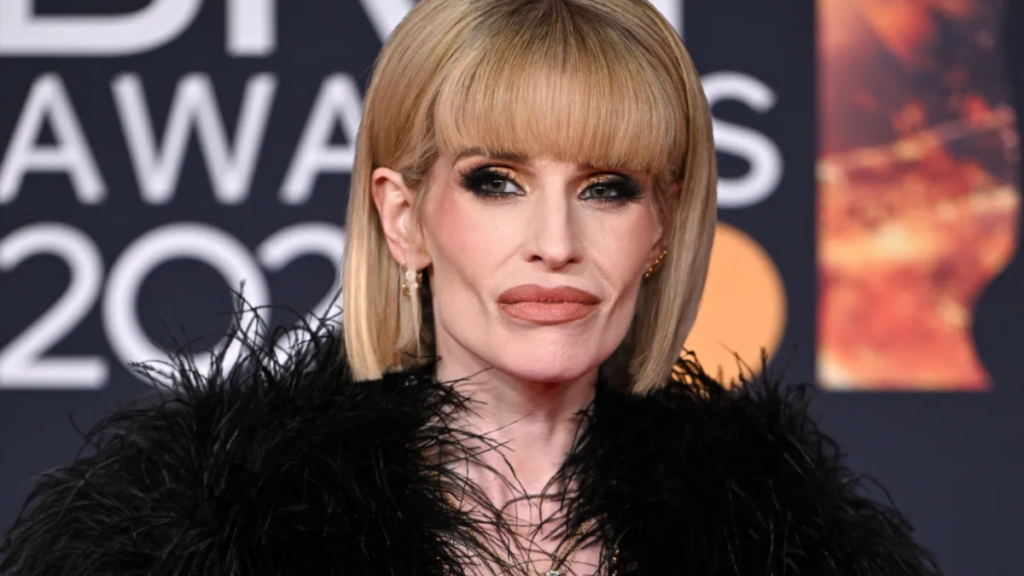
Photo Credit: Alamy
The Public Reaction to Kelly Osbourne’s Weight Loss
Kelly Osbourne has sparked intense public concern after losing noticeable weight in recent months. Her friends have expressed worry about her appearance, but they say they understand why it’s happening. Close sources tell TMZ that much of the change relates to the grief she’s processing after her father’s death. People first noticed her slimmer profile when she appeared at the 2026 BRIT Awards in Manchester alongside her mother, Sharon.
More than seven months have passed since Kelly’s father, rock legend Ozzy Osbourne, died in July 2025. His passing affected the entire Osbourne family, but Kelly seemed especially touched. Friends say she’s still struggling to eat properly as she grieves. They also say she isn’t ignoring her physical change, but emotional pain makes self-care harder.
Kelly’s friends insist they support her no matter what. They know grief affects people in different ways, including appetite loss and weight fluctuation. Grief often changes routines, and these sources say that Kelly’s weight loss is part of her healing process. Many supporters have urged patience and compassion instead of judgment. Grief isn’t linear, and Kelly is still coping with immense emotional loss.
Despite concern, many public voices reacted with criticism instead of empathy. Social media users flooded comments with harsh remarks about her appearance. Some went as far as alleging drug use or extreme dieting. These comments hit Kelly hard because they ignore her emotional state.
The conversation now surrounds how society treats grief and vulnerability in the public eye. Many argue that celebrity bodies shouldn’t become public property. Instead, friends and family insist that Kelly deserves patience, understanding, and space to heal away from judgment.
Friends Speak Out—Understanding Grief’s Physical Impact
Kelly Osbourne’s weight loss surprised many fans and observers, but her inner circle sees it differently. Friends have told media that the weight loss ties directly to the intense grief she still carries. Grief can affect appetite, sleep, and energy, especially after losing someone as influential as a parent. Kelly’s father, Ozzy Osbourne, shaped her public life and personal identity, and losing him has hit her deeply.
Insiders noted that Kelly is aware of her changed appearance, but she struggles to prioritize physical health during emotional distress. Friends say it’s hard for her to focus on eating when she feels weighed down by sadness. This type of grief response isn’t unusual, but public viewers rarely consider emotional causes when commenting on appearance.
At the 2026 BRIT Awards, Kelly stepped out with her mother, Sharon Osbourne, to accept a Lifetime Achievement Award for her late father. The event marked an emotional moment, but online commentary quickly shifted from celebration to scrutiny of her body. Fans and critics alike reacted without context. That reaction intensified public debate about how weight loss should be discussed.
Friends stressed that they aren’t dismissing concern entirely. They want Kelly to be healthy, but they also want people to understand grief’s effects. Some people find food grounding after loss, while others lose interest entirely. Everyone grieves differently.
Close supporters also praised Kelly’s resilience in navigating public attention while enduring private sorrow. They acknowledge that seeing her in the spotlight with such visible changes takes courage. Ultimately, friends call for compassion over speculation, reminding the public that mourning is not a performance.
Kelly’s Response and Pushback to Critics
Kelly Osbourne has not stayed silent amid the rising body commentary. After online critics targeted her physical appearance, she responded directly and forcefully on social media. Kelly wrote that there is “a special kind of cruelty in harming someone who is clearly going through something.” She said that doubting her pain and spreading her struggles as gossip shows a lack of compassion.
Her message came after harsh comments labeling her appearance as “scary thin,” comparing her body to illness or frailty. Some insults even referenced her late father’s death in cruel ways. Kelly called out these remarks for lacking humanity and respect. She wrote that she shouldn’t have to defend herself while grieving.
Kelly also reshared supportive posts from others who empathized with her experience. One notable voice was fellow celebrity Mia Tyler, daughter of Aerosmith’s Steven Tyler, who penned a defense of Kelly’s right to grieve away from judgment. Tyler wrote that “public grief is not public property” and urged critics to choose kindness over criticism.
Kelly’s pushback highlighted a broader cultural issue. Many people discussed how grief can change a person’s body and behavior, yet society tends to critique physical appearance before asking about emotional context. Kelly’s willingness to address criticism openly showed strength, especially during such a difficult period. She emphasized that going through grief and still showing up publicly is a form of perseverance.
Her public defense also opened dialogue about how celebrities are treated when vulnerable. Fans applauded her for standing up to trolls and demanding empathy. Critics were reminded that behind every news story is a human being experiencing real pain.
The Broader Conversation on Compassion and Public Scrutiny
Kelly Osbourne’s recent experience has ignited a wider conversation about compassion and public scrutiny. Many people argue that the rush to judge her body reflects societal tendencies to prioritize appearance over emotional context. A strong message from supporters is that grief shouldn’t become a topic for debate. Instead, observers say people should consider what someone is carrying emotionally before commenting on their body.
Public reactions varied greatly. Some people expressed concern for Kelly’s health, while others responded with harsh criticism. Supporters like Mia Tyler encouraged kindness and emphasized that cruelty costs nothing. Her message reminded followers that celebrities are humans with feelings, not objects for social commentary.
This debate also shines a light on how social media amplifies judgment. Online platforms often turn bodies into topics for debate, regardless of emotional state or personal hardship. Critics argued that society should pause and consider the emotional impact of words before posting. Many experienced observers noted that grief can affect physical health significantly, including appetite and energy levels. They urged the public to respond with empathy, not speculation.
Some commentators also highlighted that comments about weight can trigger deeper issues for those struggling with grief or body image. Kelly’s experience became a catalyst for a broader conversation about how people treat one another publicly. Her response invited others to reflect on the language they use online.
Overall, this situation reveals how easily conversation about physical appearance can overshadow empathy. Public dialogue increasingly focuses on deeper emotional understanding rather than superficial judgment. Many now call this moment a lesson in human decency and emotional intelligence.
Moving Forward—Support, Healing, and Public Responsibility
As Kelly Osbourne continues navigating her grief journey, the focus now shifts to support and healing. Friends remain by her side, offering love and understanding rather than judgment. They emphasize that true concern should come from compassion and kindness during difficult times. Kelly’s weight loss won’t be understood fully until people recognize the emotional pain behind it. Friends and family hope the public gives her room to heal.
Kelly’s public pushback to criticism also sparked support from many fans. Messages of encouragement flooded social media after she defended herself. Followers praised her courage and urged others to treat her with respect. Supporters reminded the public that grief isn’t a performance and that healing takes time.
Mental health experts have also weighed in on how grief can manifest physically. Stress and emotional trauma can reduce appetite and disrupt daily routines. In some cases, those effects are temporary, but they may take months to resolve. Acknowledging this context helps reduce stigma and increases empathy toward those who are grieving.
This situation also highlights the responsibility of public discourse. Celebrities live much of their lives in view of others, but that doesn’t mean they forfeit dignity or privacy. Observers say respectful communication can coexist with curiosity. When emotional struggles become public, the response should center on kindness, not criticism.
In the end, Kelly’s experience stands as a reminder that support should always outweigh speculation. Healing from loss takes time, and compassion goes a long way. As friends and fans rally around her, many hope this moment ignites more empathetic conversations about vulnerability and human experience in the public eye.