

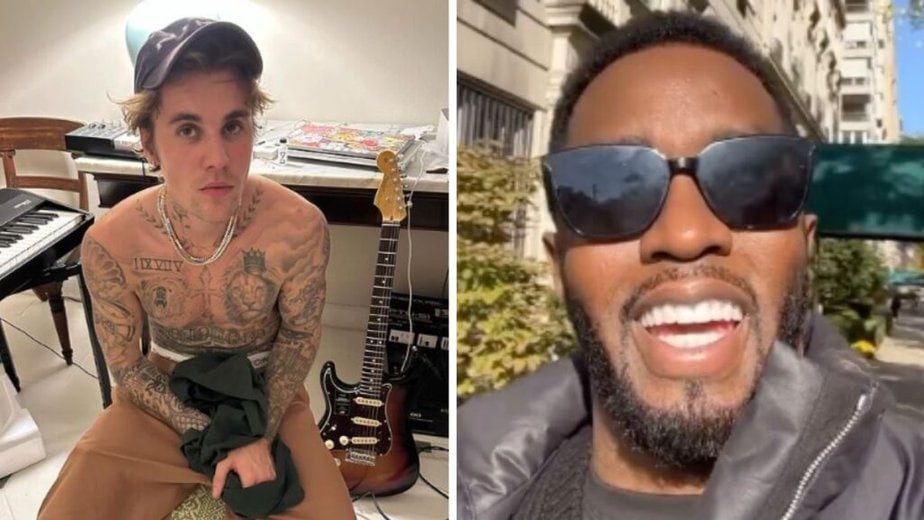
A social media post recently went viral claiming that **Justin Bieber froze when confronted about the Sean Combs: The Reckoning Netflix documentary — and allegedly told on-site paparazzi, “Don’t ask me about that man”. According to the widely shared Facebook post, Bieber looked down, refused to answer questions when asked about his supposed association with the documentary, and even instructed his security team to delete the footage.
This rumor gained traction as public interest in the Netflix documentary — which explores allegations, lawsuits, and controversies surrounding Sean “Diddy” Combs — remains intense. The post suggests Bieber was unprepared and visibly unsettled by inquiries tied to the high-profile project.
However, despite widespread circulation of the claim, there’s no evidence supporting it. No reputable news outlets, independent witnesses, police reports, or verified video recordings confirm that this exchange occurred, nor that Bieber ever made the statement attributed to him.
It’s important to recognize how such narratives emerge online — especially when a major documentary captures global attention and public figures with any “past connections” to the subject are swept into speculation. In Bieber’s case, while he appears in past archival footage with Combs, his representatives have not confirmed the viral anecdote, and the details remain unsubstantiated.
In this section, we’ll untangle what the claim says, why it spread, and the current evidence — or lack thereof — supporting it. In subsequent sections, we’ll dig into Bieber’s real history with Combs, what’s known about the Netflix documentary, and how rumor dynamics work in today’s digital media environment.
What the Facebook Post Alleges — And Why It’s Unverified
The viral post, credited to content creator “Idisobey,” paints a dramatic scene: Bieber is reportedly ambushed by paparazzi asking about why his name allegedly appears in the Netflix documentary Sean Combs: The Reckoning. In response, the post claims he refused to speak, looked down, and instructed his security team to delete any footage of the interaction.
One quote attributed to him in the post — “Don’t ask me about that man. Ever.” — implies discomfort and avoidance, but there’s no independent or recorded source for this line.
The post also explains Bieber purportedly told photographers he was only a child at the time of any association with Diddy and wanted to “move on” for his own peace. Again, no third-party verification supports these details, and they exist solely in the realm of social speculation.
Why does this matter? The narrative illustrates how stories built on social media can rapidly spread despite a lack of factual grounding — especially when they intersect with controversial subjects and beloved celebrities. Often, such posts leverage emotional language (“froze,” “security deleted footage”) to grab attention, even if the underlying claims are unproven.
Media watchdogs and fact-checkers emphasize caution when encountering such posts: viral doesn’t mean verified, and a lack of credible, on-record sources should temper how widely such stories are shared or repeated.
In the next section, we’ll explore the Netflix documentary itself and its subject matter, to provide context for why this kind of rumor would even arise.
Sean Combs: The Reckoning
At the heart of the social media rumor is Sean Combs: The Reckoning, a high-profile documentary streaming on Netflix that delves into decades of controversies and allegations involving Sean “Diddy” Combs. The film covers lawsuits, testimonies, and accounts from multiple accusers — making it a lightning rod for online discussion and scrutiny.
Because the documentary examines a figure as influential and controversial as Combs, anything remotely connected to him can become conflated or exaggerated online — even when there’s no factual basis for a fan-generated claim. In this case, netizens with speculative theories tied to Bieber’s name seized the moment to create a rumor that would spread rapidly through likes, shares, and retweets.
It’s worth noting that Combs’ legal and public image has been under intense global focus, including multiple allegations of sexual misconduct and other charges. That context fuels interest in anything related to the documentary, whether verified or not.
But it’s critical to separate the documentary’s documented content — substantial allegations supported by legal filings and public statements — from unverified social media claims involving figures like Bieber. Without proper evidence, adding Bieber to the narrative doesn’t reflect what the documentary actually presents.
What Is Known
What is public is that Bieber and Diddy had known interactions in the past. In 2009, a young Bieber appeared in a video with Combs, which has resurfaced online in recent months simply because it shows the two together early in Bieber’s career — not because it implies any wrongdoing on either side.
In that footage, Combs talks about spending time with a young Bieber in a mentor-like context — including an anecdote about hanging out for 48 hours — but there’s no evidence of misconduct portrayed in that video, and widely shared rumors suggesting otherwise have been debunked or remain unproven.
Additionally, Bieber’s representatives have denied any implication that he was a victim of Combs’ alleged crimes — emphasizing that while many came forward with serious accusations against Combs, Bieber is not among them.
This distinction is important: public figures often have historical intersections with others early in their careers without implying trauma or abuse, and without that joint history justifying viral claims of dramatic reactions.
In short, Bieber’s real history with Combs is limited to past interactions documented in archival material — nothing that reliably connects him to the intense controversies outlined in The Reckoning documentary.
Narrative, Rumors, and Responsible Discussion
The viral claim about Justin Bieber “freezing” when asked about the Diddy documentary is a perfect example of how online rumors can blend with public fascination over high-profile controversies to create misleading narratives.
At the core of this situation are several key dynamics:
- High public interest in Sean Combs’ documentary — which legitimately explores serious allegations — makes anything related to the topic ripe for speculation.
- Justin Bieber’s celebrity status means even tangential mentions or archival footage can be repurposed into false stories.
- Social media platforms reward sensationalism — so posts with dramatic language and conflict tend to spread faster than nuanced, factual reporting.
The result? A claim with no verified backing spreads widely, convincing many readers it is “true” simply because it’s been shared so frequently. That phenomenon highlights a broader issue in digital culture: virality is not the same as truth.
As consumers of news — especially around sensitive topics involving alleged abuse or misconduct — it’s crucial to seek out credible sources, fact-checked reporting, and official confirmations before accepting or amplifying dramatic claims. The Bieber-Diddy rumor underscores why responsible discussion matters, especially when it can touch on trauma, reputation, and real human lives.