

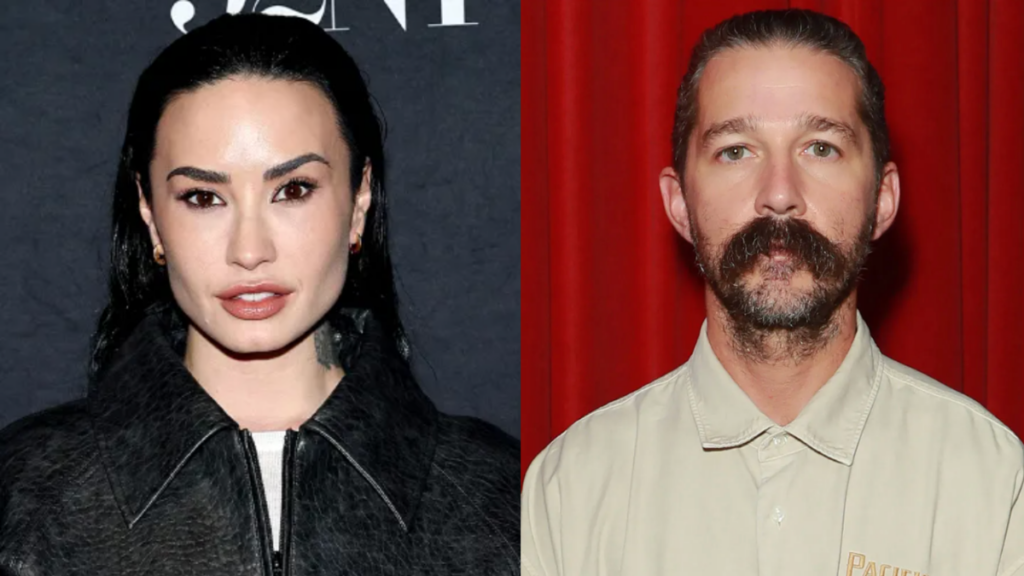
Photo Credit: Dominique Charriau/WireImage; Dave Benett/WireImage
A Disney Debate That Turned Into a Public Callout
A simple pop culture question sparked a much larger conversation across the entertainment world. The debate began when Raven-Symoné shared her Disney Channel “Mount Rushmore.” Her list included herself, Hilary Duff, Shia LaBeouf, and Lee Thompson Young.
Fans quickly reacted to the inclusion of LaBeouf. Many questioned whether he deserved a spot among Disney’s most influential stars. The conversation spread across social media and interviews.
The debate intensified when Demi Lovato shared her response. Lovato agreed with parts of Raven’s list but clearly rejected one name. When asked about LaBeouf, she responded, “I’m okay on that one.” That short statement carried significant weight. It signaled a clear disagreement without needing a lengthy explanation. Fans quickly interpreted it as a subtle but direct callout.
What started as a nostalgic conversation became something more layered. It raised questions about legacy, reputation, and how public figures are remembered. The focus shifted from celebration to critical reflection.
Lovato’s response stood out because of its tone. She did not attack directly, but she made her stance clear. That balance made her comment even more impactful. This moment shows how quickly public debates can evolve. A simple ranking turned into a broader discussion about values and influence. It also revealed how Disney Channel’s legacy still sparks strong opinions today.
Demi Lovato’s Subtle but Firm Rejection
Demi Lovato approached the discussion with a mix of respect and honesty. She acknowledged Raven-Symoné’s influence on Disney Channel. She also agreed that Hilary Duff deserved recognition.
However, her reaction changed when Shia LaBeouf’s name came up. Instead of agreeing, she paused and gave a brief response. She said she would “pass” on including him. That moment became the centerpiece of the entire debate. Lovato did not elaborate on her reasoning. Still, her tone suggested discomfort with honoring him.
Her response reflected a careful approach. She avoided direct criticism but made her position unmistakable. This allowed her to express disagreement without escalating conflict.
Lovato also emphasized the importance of recognizing foundational Disney stars. She credited Raven-Symoné and Hilary Duff for shaping the network’s identity. At the same time, she suggested that not all early stars belong in the same category. Her reaction implied that legacy involves more than just early success. It also involves long-term impact and public perception.
This distinction added depth to her response. She shifted the conversation from nostalgia to accountability. That shift resonated with many fans. Lovato’s comment shows how powerful a few words can be. Her response created space for a larger discussion about who deserves recognition. It also highlighted how public figures evaluate each other’s legacies.
Shia LaBeouf’s Complicated Public Image
Shia LaBeouf built his early fame through Disney Channel’s Even Stevens. His performance earned praise and helped launch his career. Over time, he transitioned into major film roles. However, his public image has become increasingly complicated. Reports have highlighted legal troubles and controversial behavior in recent years. These issues continue to shape how audiences view him.
He also faced serious allegations in the past, including a lawsuit that later reached a settlement. These developments contributed to ongoing public scrutiny.
As a result, his legacy extends beyond his Disney success. It now includes personal controversies that influence public perception. This complexity likely plays a role in debates like this one.
Lovato did not directly mention these issues. Still, her hesitation suggests that reputation matters when defining legacy. Fans also referenced these controversies during the discussion. The situation highlights a broader trend in entertainment. Audiences increasingly consider personal conduct alongside professional achievements. This shift affects how stars are remembered.
LaBeouf’s career remains significant, but his legacy continues to evolve. His early success cannot be separated from later events. That reality complicates his place in nostalgic rankings. This complexity explains why his inclusion sparked such strong reactions. It also shows why Lovato’s response resonated with many people. The debate reflects changing standards in how fame is evaluated.
Generational Perspectives on Disney Channel Icons
The disagreement also reflects a generational divide among Disney Channel stars. Raven-Symoné represents an earlier era of the network. Her perspective focuses on the foundation of Disney programming.
Demi Lovato belongs to a later generation that expanded Disney’s global reach. Her era included artists like Miley Cyrus and Selena Gomez.
Lovato acknowledged that earlier stars helped build the platform. However, she also emphasized the importance of later contributions. She suggested that each era deserves recognition. Instead of choosing one fixed list, she proposed multiple “Mount Rushmores.” Each generation could highlight its most influential figures.
This idea shifts the conversation away from competition. It allows different eras to coexist without conflict. It also reflects how entertainment evolves over time.
Fans often connect most strongly with the stars they grew up watching. This emotional connection shapes their opinions in debates like this. That makes a single definitive list nearly impossible. Lovato’s perspective acknowledges this complexity. She recognizes that influence looks different across generations. Early stars built the network, while later stars expanded its reach.
This approach creates a more inclusive discussion. It values both historical impact and modern relevance. It also reduces the pressure to rank artists against each other. Ultimately, the debate reveals how Disney Channel continues to evolve. Each generation leaves its own mark on the network’s legacy.
A Cultural Conversation About Legacy and Accountability
Demi Lovato’s response turned a lighthearted debate into a meaningful cultural conversation. Her brief comment encouraged deeper reflection on what defines greatness. It raised questions about influence, behavior, and legacy.
The discussion now goes beyond Disney Channel. It reflects broader changes in how society evaluates public figures. Fans increasingly expect accountability alongside talent.
Lovato’s stance highlights this shift. She did not dismiss the past, but she questioned its lasting significance. That perspective resonates in today’s cultural climate. At the same time, Raven-Symoné’s original list still holds value. It represents a specific era and viewpoint. Both perspectives contribute to a more complete understanding of Disney history.
The debate also shows how narratives evolve over time. A star’s legacy is not fixed. It changes as new information and perspectives emerge.
Lovato’s response reflects that reality. She acknowledges the past while considering the present. This balanced approach adds depth to the conversation.
In the end, the discussion is not just about one name. It is about how society chooses to remember its icons. It asks whether influence alone is enough to define greatness. This moment will likely remain part of Disney Channel’s ongoing story. It shows how even nostalgic topics can spark important conversations. And it proves that legacy is always open to interpretation.