

Photo Credit: Abich Financial Services / Youtube
Candace Owens’ Controversial Video Release
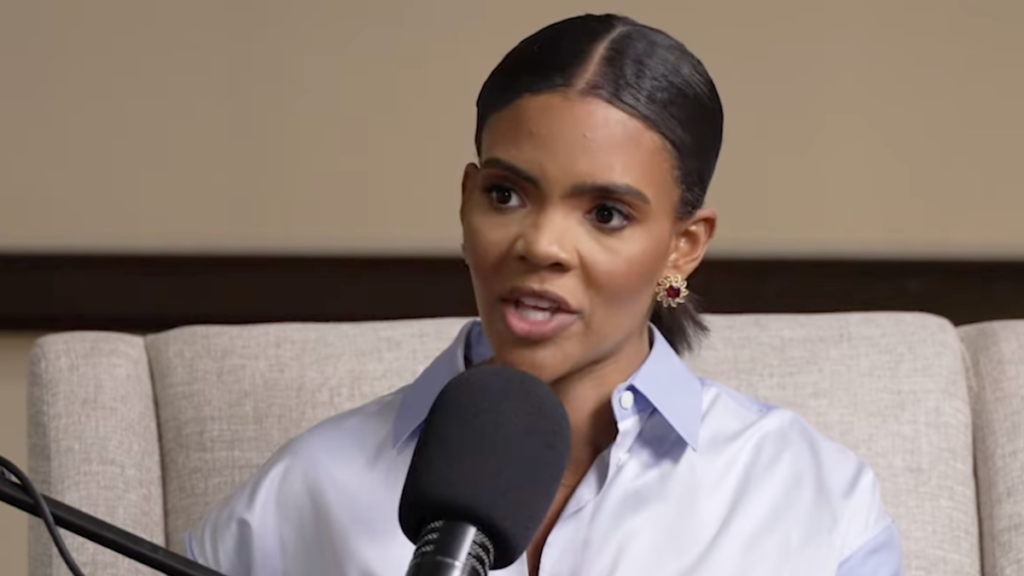
Political commentator Candace Owens sparked fresh outrage in early March 2026. She released previously unseen footage of the Charlie Kirk assassination. The video emerged months after the conservative activist’s shooting in Utah. Critics called the release dangerous and disrespectful.
Owens said she published the footage to push for truth and transparency. She claimed viewers deserved unfiltered material about the tragedy. Others saw her action as sensationalist and cruel. Many argued it showed a lack of empathy for Kirk’s mourning family.
The assassination occurred at Utah Valley University in September 2025. An alleged gunman, Tyler Robinson, was charged with aggravated murder. The tragedy stunned conservative circles and triggered intense debate over political violence. Social media shared dozens of clips related to the incident.
Owens’ work has always blended opinion with controversy. Her release reignited scrutiny over the killing and public discourse about political violence. Supporters defended her right to publish the content. Critics argued it crossed ethical boundaries.
The video’s release underscores the tension between freedom of expression and responsible reporting in the digital age. Many commentators now question where lines should fall between disclosure and exploitation in media.
Background of Charlie Kirk and the Assassination
Charlie Kirk was a high‑profile conservative activist and the founder of Turning Point USA. His speeches drew crowds and drew national attention across political circles. On September 10, 2025, he was shot at a public event. The gunfire shocked the audience and sparked panic.
Authorities arrested Tyler Robinson shortly after the shooting. Prosecutors charged him with aggravated murder. Police said Robinson fired a single fatal shot during Kirk’s public appearance. No motive had been fully verified in early reports.
After the incident, uncensored videos spread rapidly online. Major outlets and watchdogs called for caution and content removal. Some law enforcement leaders urged social platforms to block graphic footage. Those videos became central to later disputes and commentary.
Public reaction varied widely. Many condemned the assassination as political violence. Others used the event to push competing narratives and theories about cause and motive. This contested environment influenced how Owens’ footage release was received.
The controversy highlighted rising concerns over violence in U.S. political life. It also raised questions about how media should handle sensitive content about killings or assassinations.
Outrage and Public Response to the Footage
Owens’ release of the unseen assassination footage drew intense criticism. Many commentators called the move “evil” and in poor taste. Her critics argued the footage re‑traumatized grieving supporters and family members. Some critics labeled the decision “pure unfiltered evil.”
Social media users rapidly shared their responses after the video circulated. Outrage came from both conservative and liberal commentators. Many said the video served no public interest other than shocking viewers. Others said it undermined respect for the victim’s family and mourning process.
Some of Owens’ supporters defended her choice. They argued that transparency and accountability matter in coverage of political violence. They said showing unedited material exposes hidden facts. However, these defenders often faced backlash themselves.
The public debate reflected deep divisions in U.S. media culture. Discussion often centered on whether sensational releases help or hurt public understanding. Some users pointed out that inflammatory content can inflame emotions rather than inform.
As outrage spread, multiple voices urged restraint in discussing the assassination footage. Many emphasized respect for grieving loved ones and trauma survivors.
Owens’ Broader Controversies and Theories
Candace Owens has long been a polarizing media figure. She rose to prominence advocating conservative political positions. She has also promoted theories about the Charlie Kirk assassination. Owens questioned whether a lone gunman was responsible.
Without presenting verified evidence, she has suggested broader plots and possible conspiracies. Owens hinted at other actors beyond the charged suspect. Some of her claims linked external forces or government entities to the killing.
These theories drew reactions from critics and supporters alike. Some conservatives criticized her for undermining established investigations. Others embraced her for questioning official narratives.
Owens also engaged in public disputes with the late activist’s widow, Erika Kirk. She released private communications and videos that added friction to the debate. The feud further polarized online audiences and fueled new controversies.
Media analysts say this episode shows how fringe theories can spread widely. They also warn that circulating unverified claims may mislead audiences and complicate public understanding.
What This Means for Media and Public Discourse
The backlash over Owens’ footage highlights broader concerns in today’s media landscape. Content that shocks often spreads rapidly online. Platforms struggle to balance free expression and safety. Critics argue guidelines must evolve.
Experts say audiences should critically evaluate sources and context. They note that raw video alone does not provide full truth. Many investigators and journalists stress reliance on verified information over speculation.
Some argue Owens’ release reveals gaps in ethical media practice. They claim that political criticism and sensationalism can harm public trust. Others contend that confronting raw realities is necessary for accountability and transparency.
The controversy also shows how stories of political violence can become entangled with broader ideological conflicts. Calls for truth often clash with public responsibility. As media evolves, discourse around these tensions will likely persist.
Ultimately, the discussion around the Charlie Kirk footage release may shape future norms about how sensitive content is shared and debated.