Home Blog Page 46

Hilary Duff Speaks Out on TV Dad’s Passing

Photo Credit: Hilary Duff / Instagram

The Sad News: Robert Carradine’s Death

Hollywood and fans worldwide mourn the loss of actor Robert Carradine, who died at age 71. Carradine’s family confirmed that he passed away after battling bipolar disorder for nearly two decades. His family described him as a beautiful soul who struggled valiantly with mental illness. They hope his story encourages more compassionate conversations about mental health and de-stigmatization.

Carradine gained fame in a six-decade career spanning film and television. He starred in the 1984 comedy Revenge of the Nerds, which became a cultural touchstone. In later years, he charmed a new generation as Sam McGuire on Lizzie McGuire, a hit Disney Channel sitcom. He appeared in all 65 episodes of the show and the 2003 movie adaptation.

Fans and colleagues expressed shock and sadness after the announcement. Across social platforms, thousands shared memories of his kind presence on and off screen. Many recalled how his performances made them laugh and feel comforted. His characters often embodied warmth, humor, and caring personality traits.

Carradine came from a renowned acting dynasty. He was the youngest son of legendary actor John Carradine and brother to fellow actors Keith and the late David Carradine. The Carradine name had been tied to Hollywood for generations, making his death resonate in the industry deeply. His family outside of entertainment, including his children, also survives him through grief.

Despite a long career, many viewers best remember Carradine for his fatherly roles. His performance as Sam McGuire anchored Lizzie McGuire’s family dynamic. Young fans grew up watching his interactions with Hilary Duff’s character and Jake Thomas’s character. These moments continue to define the show’s heart for many.

Hilary Duff’s Emotional Tribute

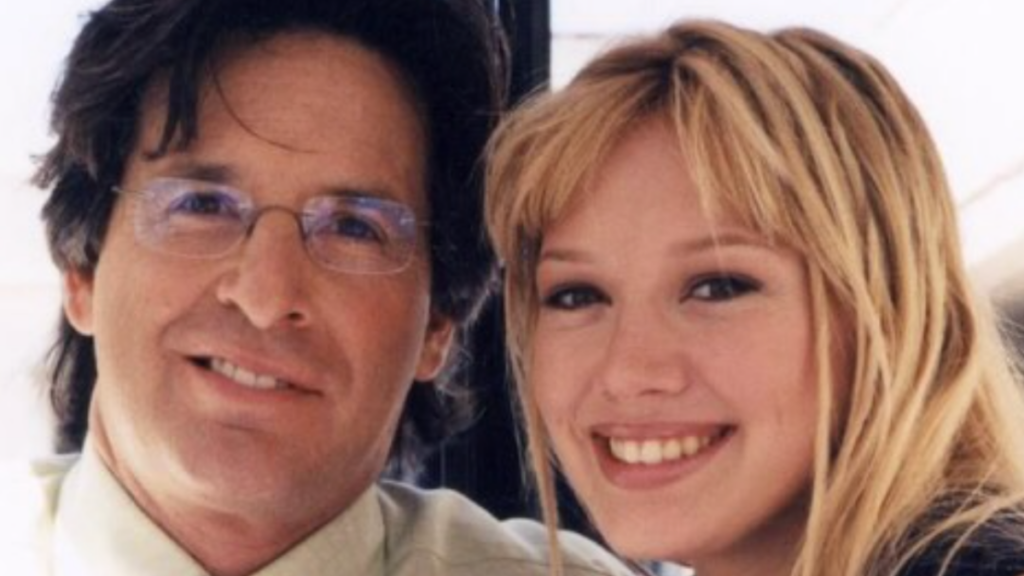
One of the most heartfelt public responses came from Hilary Duff, Carradine’s former co-star. Duff played his onscreen daughter on the Disney Channel hit Lizzie McGuire. After the news, she took to Instagram to share her grief and memories. She wrote, “This one hurts,” reflecting emotional pain over losing a cherished friend.

Duff said she always felt cared for by Carradine and his on-screen wife. She added she felt forever grateful for their warmth and guidance on set. Her message focused on their bond as more than just co-stars. She remembered how Carradine made the cast feel like family on long production days.

In her post, Duff also mourned learning that Carradine had suffered so deeply in private. She said her heart ached for him, his family, and everyone who loved him. Many followers responded with messages of support and empathy. Fans said they felt Duff’s grief deeply because Carradine touched so many lives on screen.

Duff’s tribute sparked renewed appreciation for Carradine’s impact on those around him. Several co-stars also shared memories and photos after his passing. Jake Thomas, who played Duff’s onscreen brother, described Carradine as one of the “coolest guys” he knew. He called him funny, pragmatic, and deeply dear to the Lizzie McGuire family.

The outpouring highlighted how meaningful Carradine’s presence was to his colleagues. Many credited him for creating a nurturing, supportive set environment. His influence extended beyond acting into mentorship. The sadness expressed worldwide proves the mark he left on fellow actors and fans alike.

Carradine’s Career and Legacy

Robert Carradine’s career spanned more than five decades in film and television. He began acting in the early 1970s with roles opposite major stars like John Wayne. Over the years, Carradine showcased his range in dramas, comedies, and cult classics alike. In addition to Revenge of the Nerds, he appeared in acclaimed films such as The Long Riders and Mean Streets.

His most iconic role for younger audiences came through Disney’s Lizzie McGuire. As Sam McGuire, Carradine portrayed a lovable and bumbling father figure. The show aired from 2001 to 2004 and became a defining part of many childhoods. Carradine also reprised his role in The Lizzie McGuire Movie, widening his impact.

He later appeared in a short-lived reboot effort, which allowed him and other fans to reconnect with younger generations. Though the reboot did not continue, it emphasized how beloved Carradine remained in pop culture circles. Through his broad body of work, he earned respect across age groups and film genres.

Beyond acting, Carradine’s presence influenced those around him. Colleagues described him as generous, witty, and deeply supportive on set. Many cast members credit him with mentoring them and creating a family-like atmosphere. His death reopened conversations about the behind-the-scenes emotional bonds crafted on long-running productions.

Carradine’s legacy also extends into discussions of mental health awareness. His family shared that his battle with bipolar disorder deeply affected his life. Their public acknowledgment of his struggle aimed to remove stigma around mental illness. They encouraged others dealing with similar issues to seek help and connection.

Friends, Family, and Cast Honor Carradine

After the news of his passing, several family members and castmates expressed their grief publicly. Carradine’s brother, actor Keith Carradine, honored his brother’s talent and compassion in a heartfelt statement. He described Robert as a light to everyone around him, even amid difficult times. He also reiterated that mental health struggles deserve empathy and understanding.

Carradine’s daughter, Ever Carradine, also remembered her father with emotional tributes. She shared personal memories highlighting his kindness, humor, and daily care. She spoke about moments when he wouldn’t miss driving her to the airport or praising her homemade salad dressing. Her tribute underscored his role not just as an actor but as a devoted parent.

Other actors from the Lizzie McGuire cast also honored his memory. Jake Thomas and Hallie Todd both shared photos and words mourning his loss. Thomas said Carradine and his onscreen wife became like genuine family to him over years of work. These testimonies show how deep their bonds extended beyond the screen.

Fans across social platforms reacted with sadness and memories of Carradine’s characters. Many expressed gratitude for the joy his performances gave them throughout their childhoods. Users shared favorite clips and quoted iconic lines from his roles. The online tribute showed how much his characters meant to multiple generations.

Mental health advocates also responded, emphasizing the importance of compassionate support for those struggling with bipolar disorder. They pointed to Carradine’s family message as an opportunity to raise awareness. Such discussions highlighted how celebrity deaths can create positive social conversations about mental illness.

The Broader Impact of His Passing

Robert Carradine’s death reaches beyond entertainment news into broader cultural reflection. His longtime career influenced many in Hollywood and younger viewers alike. For numerous Generation Z and millennial fans, he represented a warm, fatherly figure from their childhood memories. His portrayal of Sam McGuire became a staple of early 2000s youth entertainment.

His passing also reminded many of the importance of openly discussing mental health struggles. Bipolar disorder affects millions globally, yet stigma often prevents open conversation. Carradine’s family’s courage in naming his struggle can help reduce that stigma. Public figures’ stories can impact awareness and empathy, especially when shared sensitively.

The loss prompted reflections on the pressures placed on performers over long careers. Fans noted how Carradine balanced roles across decades, yet his personal struggles remained largely private. This dynamic encourages discussions about support systems for artists behind the scenes. Mental health support remains critical for anyone in high-stress industries, including entertainment.

Carradine’s influence lives on in the laughter and memories his performances created. Future generations will continue discovering his work through streaming and reruns. His legacy includes careers he touched, lives he helped shape, and issues his story brought to light. Fans and friends alike will remember him for his humor, heart, and humanity.

As the entertainment world mourns his passing, many hope his life will be celebrated beyond his roles. Stories about his kindness and mentorship remain just as important as his filmography. Through remembrance, audiences honor his life, talent, and impact on pop culture for years to come.
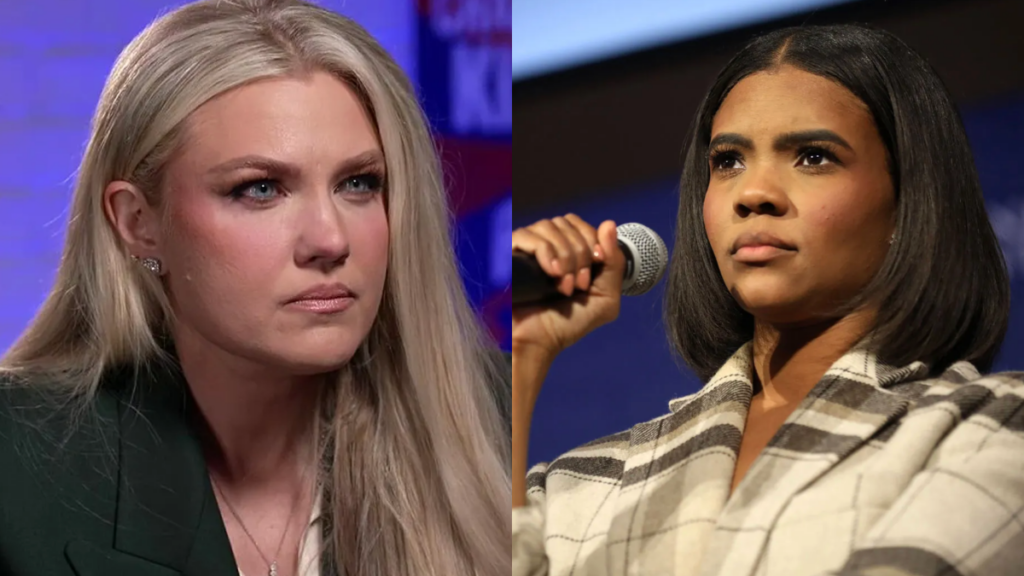
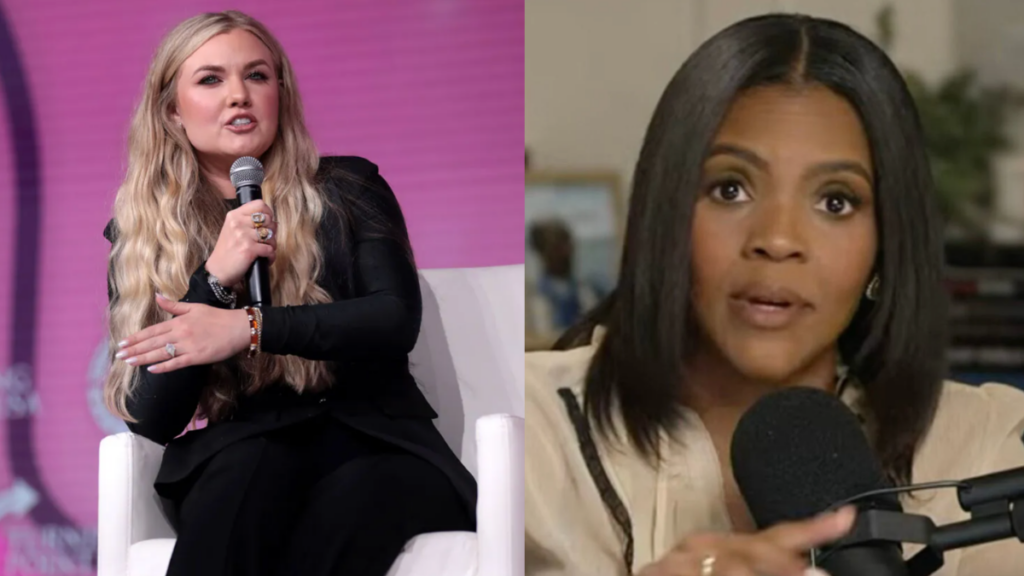
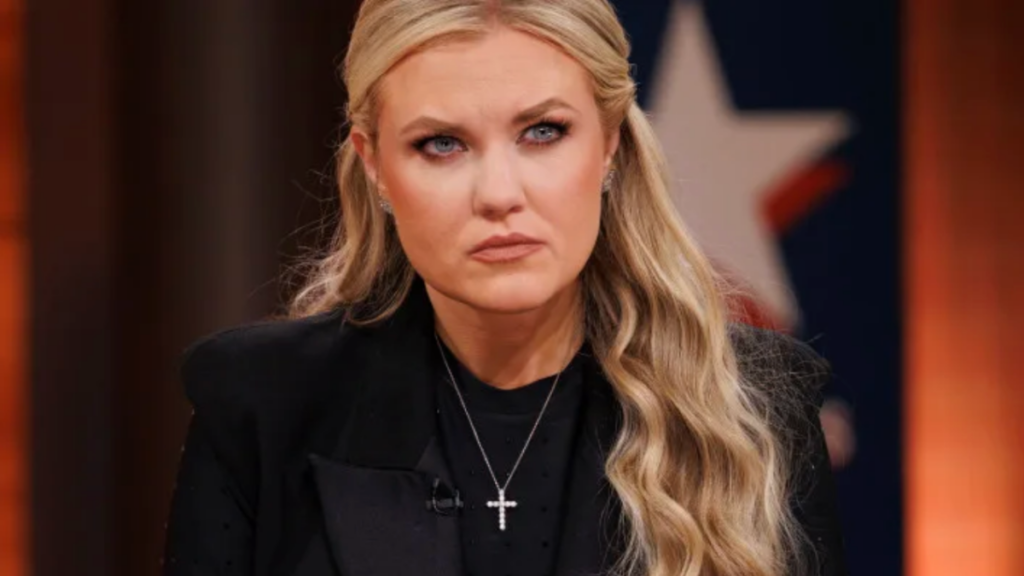
Erika Kirk Breaks Silence After Candace Claims She Knew of Charlie’s @ss@ssination

Photo Credit: Jesse Watters Primetime; ZUMA Press Wire/Shutterstock.com

Candace Owens’ Shocking Allegations Against Erika Kirk

In early 2026, conservative commentator Candace Owens made stunning claims about Erika Kirk. Owens alleged that someone close to Kirk had prior knowledge of Charlie Kirk’s assassination before it occurred. These claims surfaced during a public commentary push filled with conspiracy elements. Charlie Kirk, founder of Turning Point USA, was fatally shot at Utah Valley University in September 2025. Owens suggested that the widow or her circle may have known about the attack before it happened — an accusation she did not substantiate with hard evidence.

Owens’ remarks triggered controversy within conservative media and social platforms. She did not provide official documents or law-enforcement confirmation to back her theory. Instead, she drew connections between speculation and unnamed sources, which alarmed many watchers. Before these allegations, Owens and Kirk had tangled publicly about conspiracy theories surrounding the tragic event. Their earlier disagreements set the stage for even more intense scrutiny after this latest claim.

The alleged scenario quickly spread across social media, stirring heated debate. Critics argued Owens crossed a boundary by tying Kirk’s name to unverified pre-knowledge. They said this timing exploited a personal tragedy for public attention. Many users called Owens out for making serious accusations without authoritative proof. Observers stressed that such claims can cause emotional harm without factual foundation.

By mid-February 2026, Owens’ claims remained largely uncorroborated by independent reporting. Law enforcement and major outlets continued to treat the assassination as a criminal act, not a conspiracy. The suspect, Tyler Robinson, was charged, and officials stated no known associates acted in a coordinated plot. Still, the online narrative expanded, illustrating how quickly controversial theories can spread without evidence.

Erika Kirk Breaks Her Silence

Shortly after these allegations spread online, Erika Kirk publicly denied the claims tied to her or her circle’s supposed prior knowledge. In an interview with conservative commentator Graham Allen, a close friend testified against Owens’ assertions. That friend, Tracy Martin, described Owens’ allegations as “manipulative” and lacking basic context. Owens had claimed Martin’s daughter, allegedly an assistant to Erika, feared she should not attend the Utah Valley University event. Martin denied ever having such foreknowledge or conversation.

In her public remarks, Martin emphasized that false statements twist reality. She said conspiracy theories often spread when people misinterpret circumstantial information. Martin explained that confusion can grow when narratives are eagerly repeated without verification. She also defended Erika’s character, praising her resilience amid grief. The interview came as various online users began defending Erika and condemning Owens for spreading unverified claims.

Erika herself addressed rumors in interviews and televised appearances. She focused on her late husband’s legacy and her family’s wellbeing. During a Fox News segment, she rebuked allegations and called for focus on meaningful issues. She emphasized that speculation and gossip did little to honor Charlie’s memory. These remarks echo her broader efforts to steer conversation toward unity and grief-healing rather than conspiracy.

Social media reactions varied. Some praised her courage for speaking out, while others accused her of avoiding tough questions. But most reputable outlets noted she did not provide any admissions supporting Owens’ allegations. Instead, Erika reaffirmed that the tragedy was a crime, not a premeditated scene known in advance by insiders. Her approach aimed to de-escalate online drama and maintain dignity under intense public scrutiny.

Charlie Kirk’s Assassination and Aftermath

To understand the controversy, readers must grasp the context of Charlie Kirk’s tragic death. Charlie Kirk was a high-profile conservative activist and founder of Turning Point USA. On September 10, 2025, he spoke at an event at Utah Valley University when a gunman shot him. He succumbed to his injuries, shocking political communities across the United States.

The suspect in the killing, 22-year-old Tyler Robinson, was arrested shortly after the shooting. Authorities treated the case as an isolated criminal incident, not a widespread conspiracy or coordinated plot. Their investigation found no evidence linking Kirk’s inner circle to prior knowledge. Law enforcement officials publicly refuted suggestions of advance awareness by any acquaintances.

In the aftermath, Erika Kirk emerged as a central public figure. She delivered powerful speeches at memorial services, where she revealed she forgave her husband’s killer. Her messages emphasized faith and love in the face of profound loss. She also vowed to continue Charlie’s mission and leadership legacy, later becoming CEO of Turning Point USA.

Erika’s emotional responses resonated with many Americans. Tens of thousands attended memorial services, drawing political leaders and supporters alike. Amid grief, she urged unity and revival, which some commentators contrasted with the growth of conspiracy narratives. Her forgiveness message drew both praise and critique. Some lauded her compassion, while critics questioned her stance in light of rising speculation.

Understanding this backdrop helps explain why allegations of conspiracy stirred deep feelings online. Many saw the spreading rumors as disrespectful or harmful to a grieving widow. Others embraced them due to deep political polarization around modern media. Either way, the assassination and its fallout underscored intense ideological and emotional fault lines in public discourse.

Online Backlash and Political Divisions

The viral spread of these claims ignited strong reactions across social media platforms. Many users condemned Owens for targeting a woman still grieving her late husband. They called her allegations reckless and morally questionable. Critics argued that conjecture should not override compassion. These reactions came from audiences across political backgrounds.

Others defended Owens’ right to raise questions, however controversial. They pointed to the need for transparency in public figures’ associations and actions. Some argued that examination of all angles is a valid journalistic pursuit. Supporters said nobody should be immune from scrutiny, even after tragedy. However, those arguments often lacked grounded evidence.

A growing chorus online urged responsible conversation instead of amplification of unverified claims. Many pointed out that spreading unqualified allegations about murder invites harm. Some social commentators highlighted how conspiracy theories distort public understanding of actual events. They blamed misinformation for encouraging fear and distrust. This backlash against rumor was widespread, touching users both inside and outside political circles.

Meanwhile, conservative discussions revealed deeper fractures. Some right-wing commentators criticized Owens for creating division within their own movement. They argued her actions shifted focus away from Charlie Kirk’s legacy and toward personal drama. Others defended her as a provocative thinker challenging conventional narratives. This internal disagreement showed how divergent storytelling shaped group solidarity and conflict.

Overall, the online backlash illustrated how quickly rumor escalates into debate, especially when tied to high-profile tragedies. Within hours of initial claims, social platforms amplified reactions globally. Analysts noted that online dynamics often prioritize sensational content over cautious reporting. This episode became a case study in digital era controversy and the power of viral claims.

Lessons on Rumors, Evidence, and Respect

This controversy highlights how modern discourse grapples with rumor versus fact. Serious allegations demand solid evidence before publication. When public figures make unsubstantiated claims, the consequences can ripple widely. In this case, allegations about assassination preknowledge intensified emotional debates and political fissures. The absence of verified proof made the claims more about speculation than reporting.

Observers reminded audiences that public tragedies deserve respectful discourse. Many voices emphasized empathy for grieving families over sensational theories. Advocacy for careful investigation and confirmed facts rose in response. These appeals came from media critics, public commentators, and ordinary social media users alike. They underlined that misinformation often thrives where verification is absent.

Experts say online platforms must balance free expression with responsibility. Amplifying unverified accusations can damage reputations and inflame tensions unnecessarily. Fact-checking remains a critical tool for separating truth from rumor. Readers and viewers alike must approach sensational claims with caution. Developing digital literacy helps users distinguish between grounded reporting and speculation.

For Erika Kirk, this episode demonstrates the challenge of living in the public eye after personal loss. She continues to defend her family and late husband’s legacy while confronting controversial narratives. Whether in interviews or speeches, she emphasizes unity and dignity. Her refusal to validate unproven allegations reflects a broader attempt to focus on healing rather than division.

Ultimately, this story shows how powerful narratives form around high-profile events, especially in an era of political polarization. It underscores the need for evidence, empathy, and thoughtful engagement from the public and media alike. As discussions evolve, many hope the focus can return to factual clarity rather than speculation.

“Evil Demon” Candace Owens’s New Series About Erika Kirk

Photo Credit: Gage Skidmore; Candace Owens / Youtube

Candace Owens Announces New Series Targeting Erika Kirk

Conservative commentator Candace Owens recently announced a new investigative series that targets Erika Kirk. The project follows the assassination of Charlie Kirk, Erika’s husband, at a public event. Owens shared a trailer for the series titled Bride of Charlie on X (formerly Twitter). The teaser begins with clips about Charlie’s death before shifting to scenes focusing on Erika Kirk. It also includes commentary about her purported connections to critics and international interests, drawing widespread attention and controversy.

Critics immediately reacted to the announcement online with alarm and outrage. Many social media users condemned the project as exploitative toward a grieving widow. Others suggested that the series could harm Erika’s wellbeing and public reputation. The provocative framing of the teaser trailer sparked debates across political communities on platforms like X. High-profile conservative commentators also weighed in with harsh criticism shortly after the announcement.

The controversy grew as critics described Owens’ approach as crossing moral boundaries. Some accused her of targeting Erika Kirk with unverified insinuations rather than credible reporting. Mutual friends and former allies of Charlie Kirk also expressed disbelief that Owens would pursue this line of inquiry. Many people suggested that a focus on personal tragedy was inappropriate for public spectacle. Their remarks quickly spread across social media outlets and news stories alike.

Some observers applauded Owens for her boldness and willingness to challenge narratives. They defended the series as an attempt to seek truth and transparency about Charlie Kirk’s final days. Others argued Owens would face backlash regardless of her intentions because of the emotional context surrounding the story. The response worldwide showed how polarizing discussions about influential public figures can become. This moment underscores deep divisions within conservative media and online communities.

Public Backlash Intensifies on Social Media

After Owens unveiled her new project, criticism of her approach intensified quickly. Social media users around the world expressed disgust that she would center a series on a grieving widow. Many accused Owens of exploiting tragedy for attention and influence. They argued that the tone and presentation of the trailer felt predatory rather than investigative. This broad condemnation emerged within hours of the trailer’s publication.

Prominent voices on the right and center condemned the series. Some commentators called the project “evil” and said Owens had crossed a line. Others said that her tactics betrayed not only Erika but also the broader conservative movement. Those voices pointed out that attacking a woman whose spouse was recently killed felt cruel. This consensus came from varied corners of the political spectrum, not just opposing commentators.

Supporters of Owens met the backlash with defenses of her work. They argued that her project posed necessary questions rather than spreading misinformation. Some claimed that public figures must expect scrutiny even in times of grief. A smaller group defended Owens by asserting that controversial approaches drive engagement and attention. These defenders suggested that criticism stemmed from disagreement rather than ethical concern.

The division displayed how social media amplifies controversy rapidly. One message thread alone contained dozens of incendiary comments criticizing Owens by name. Another group of users argued that silence from influential figures about the project made them complicit. People called out silence from other conservative leaders, demanding outspoken opposition. The intensity of reaction shows how personal tragedy and public discourse can collide loudly online.

Conservative Voices Weigh In on the Controversy

The backlash against Candace Owens’ series was not limited to general social media users. Well-known conservative commentators also shared their opinions about the move. Some allies of Charlie Kirk expressed strong disgust publicly. They framed Owens’ actions as a betrayal of trust and decorum. This internal criticism highlights fractures within the broader conservative community.

One commentator asked what Charlie Kirk would think about Owens moving forward with the project. The question implied that loyalty to a friend and colleague should have prevented such targeting. Others pondered why people who once aligned with Kirk remained silent in response. This silence itself became a focal point of criticism. Those commentators said public figures owed a responsibility to defend Kirk’s family.

Another notable voice described the controversy as revealing deeper problems within the right-wing media world. She argued that Owens’ behavior showed a lack of empathy toward someone grieving a personal loss. Critics described the project as gratuitous and sensationalist rather than constructive. These commentators asserted that political dialogue must respect human dignity. Their remarks underscored a broader discussion on ethical boundaries in media coverage.

Amid this discourse, a few conservative commentators still defended Owens’ decision. They praised her tenacity in questioning official accounts and narratives surrounding Charlie’s death. Some suggested that no topic should be off limits if pursuing truthful reporting. This defense echoed a firmly held belief in robust debate and inquiry. It also reflected deep divides about the acceptable bounds of political media in turbulent times.

Broader Context of the Feud Between Owens and Kirk

The controversy over the new series cannot be viewed in isolation from the longer feud between Candace Owens and Erika Kirk. Their public differences precede the latest announcement by several months. Owens has previously aired strong criticism of Kirk’s leadership and public behavior. At one point, they even agreed to a private meeting to discuss tensions. That meeting occurred months ago but did not resolve disagreements fully.

Earlier confrontations included allegations and public sparring about organizational decisions, narrative control, and conspiracy theories. Owens approached some topics with unverified theories that generated further controversy. Those claims, while disputed, fueled broader dialogue and skepticism about motives. Some outside observers saw that exchange as a turning point in how the feud escalated. The build-up set the stage for the current media clash over Owens’ new series.

Even before this most recent announcement, some conservatives expressed discomfort with how publicly the feud unfolded. Critics said that airing disputes online detracted from any unified purpose within shared political circles. Others defended Owens, saying that transparency and open discussion serve a vital democratic function. These conflicting perspectives shaped the context in which the backlash emerged. Both sides felt justified in championing their approach.

This long history shows how personal relationships and public commentary can become entangled. Rivalries that begin as private disagreements often spill into the broader public world. In this case, disagreements over narrative, leadership, and credibility helped form a backdrop to the latest uproar. Understanding this context helps explain why reactions were so intense.

What the Fallout Means for Media and Public Discourse

The controversy around Candace Owens’ documentary series highlights major issues in how media navigates personal tragedy. Many critics said that framing a grieving widow as a subject of investigation crossed ethical lines. These critics pointed out that empathy should guide public discourse in times of personal loss. Others argued that media should tell stories without fear, even when subjects are sensitive. The debate underscores tensions between compassion and journalism.

Public reactions also reveal how social media amplifies outrage quickly and broadly. Users from varied political backgrounds participated in the discussion within hours. Hashtags calling the project exploitative trended, and commentators shared impassioned statements. Influential voices on both sides added fuel to the online conversation. This dynamic shows the speed with which controversies shape public perception today.

The situation also poses questions about accountability in conservative media spaces. Some commentators criticized silence from well-known figures who have historically aligned with Charlie Kirk. They questioned why some influencers did not publicly defend Erika Kirk. This issue widened debates about responsibility and community solidarity. Whether that conversation reshapes alliances remains to be seen.

At the same time, defenders of Owens argue that no topic should be off limits. They suggest that inquiry into public figures is part of a healthy media ecosystem. This perspective prioritizes transparency and fearless questioning. Supporters see controversy as an inevitable result of challenging powerful institutions and narratives. The debate marks another chapter in evolving standards for political media.

Ultimately, the furor surrounding Bride of Charlie shows how deeply personal stories intersect with public media. It reveals how audiences react when tragedy and politics collide. The controversy is likely to continue as more people engage with discussions about media ethics, respect, and free speech.

Revealing the Shady Nanny Rumors Around Erika Kirk

Photo Credit: CBS News / Youtube

Who Is Erika Kirk and Why Rumors Follow Her

Erika Kirk is a public figure whose life changed dramatically after her husband’s death. She now serves as chairwoman and CEO of Turning Point USA, a conservative organization her late husband co-founded. Since that moment, her personal life and leadership decisions have drawn intense attention and speculation. Some observers respect her resilience and leadership through grief, while others criticize her for her public visibility. Online gossip quickly began circulating about her family, career, and personal life.

Kirk’s early life included winning Miss Arizona USA and participating in Miss USA 2012. She built a career as a nonprofit leader and podcaster before marrying Charlie Kirk in 2021. Together, they had two children, a daughter and a son, and shared public moments of faith and family. Charlie Kirk’s assassination at a campus event in September 2025 thrust Erika into national headlines. Her response of forgiveness to her husband’s killer made international news.

With this heightened profile, rumors about premature motherhood, neglect, or misconduct found fertile ground online. Many of these stories stem from social media speculation and unverified sites. They often lack credible evidence and appear primarily to provoke reaction rather than inform. As a result, Erika’s reputation online has become entangled with misinformation. Her experience shows how quickly public sentiment can shift when someone steps into visibility under tragic circumstances.

Despite the spread of rumor and gossip, respected news outlets and fact-checkers have not confirmed any serious wrongdoing. Her leadership roles and public statements remain widely documented in reputable reporting. Conversely, rumors often rely on hearsay, AI images, and anonymous social media posts. This blend of truth and untruth fuels confusion and controversy about who Erika Kirk truly is.

The “Nanny Rumor” and Its Lack of Evidence

One of the most circulated claims about Erika Kirk involves accusations of child neglect. A dubious online story alleged that her longtime nanny contacted authorities to report Kirk for leaving her children unsupervised. The report claimed she prioritized public appearances over parenting. However, the article that started this rumor offered no evidence or verification.

In addition, the story included images that did not correlate with verified facts. Observers noted that images of Kirk interacting with children appeared misleading and possibly artificially generated. Real news outlets did not report any official investigation or Child Protective Services charges. If such serious allegations had merit, they would have appeared in reputable media coverage.

This rumor gained traction because it tapped into broader narratives about Kirk’s public schedule. Critics noted a pattern of frequent interviews, speaking engagements, and media appearances. Because Kirk advocates that women focus on family, some commentators framed her public activity as hypocritical. One reality television personality publicly accused her of prioritizing media over motherhood.

Even so, no authoritative evidence links Erika Kirk to child neglect or official investigations. Fact-checking organizations emphasize that there is zero credible documentation supporting these claims. Instead, these stories exist in unverified corners of the internet. The mere existence of a social media post does not equate to factual truth. Responsible audiences are encouraged to distinguish between verified reporting and rumor.

The persistence of false narratives about Kirk’s parenting highlights the challenges that public figures, especially grieving parents, often face. Rumors that attack someone’s role as a parent can have deep personal consequences. Spreading such claims without evidence contributes to misunderstanding, public shaming, and unjust reputational damage. In Kirk’s case, discerning truth from gossip remains critical for fair public discourse.

Other False Claims and Internet Speculation

Beyond the nanny narrative, internet users have generated diverse rumors about Erika Kirk’s personal life. Some claimed she was pregnant with a third child at the time of her husband’s death. Social media posts showed AI-generated imagery misrepresented as evidence of pregnancy. These claims lacked any credible sourcing. Kirk herself publicly explained that she hoped she was expecting, but provided no confirmation of an actual pregnancy.

Another false story alleged that a Christian dating app launched under Kirk’s name. Originating from a satirical Reddit post, the rumor spread without verification. Fact-checking sites debunked this claim, confirming no such app exists. Such rumors, while seemingly lighthearted, reveal how quickly speculation can morph into “news” online.

A third persistent internet myth concerned an intimate stage hug between Kirk and Vice President JD Vance at a political event. Online commentary interpreted the gesture as evidence of a romantic affair. Kirk addressed the uproar during a television interview, explaining that her affectionate greeting was her style of expressing warmth. Despite this, speculation continued across social platforms.

Other unfounded claims included tales of custody loss and exotic scandals tied to her nonprofit work. On one occassion, a politician misspoke on a podcast, inadvertently fueling a rumor that Kirk had lost custody of her children. She did not lose custody, and the speaker later clarified her intended meaning.

These cycles of rumor and rebuttal demonstrate how public figures can become magnets for misinformation. Without proper context, online audiences sometimes mistake unfounded claims as fact. Therefore, understanding the source and evidence behind any viral claim is essential before believing or sharing it.

The Role of Social Media in Spreading Misinformation

Social media platforms have accelerated the spread of unverified claims about public figures like Erika Kirk. Even posts with no factual basis can go viral within minutes. Online users often react faster than fact-checkers can verify truth. This dynamic makes rumor control especially challenging. Rumors tend to feed on distrust, emotion, and algorithmic amplification.

Once a rumor begins, it can mutate quickly. One social media account making a false claim can lead to hundreds of imitations and reposts. Some users intentionally craft misleading content to attract views, traffic, or ad revenue. Platforms often struggle to moderate every inaccurate post. The result is a landscape where rumor and reality blur.

Moreover, AI technology has enabled the creation of convincing fake photos and screenshots. These images can be used to “prove” something that never happened. Without digital literacy, many social media users assume such images are real. But detecting AI manipulation requires training and context. Responsible sharing demands slower consumption and verification.

Public figures like Kirk become targets because they hold influence. People with opposing views may seize any opportunity to discredit them. Rumors about family, leadership, and personal life can be powerful tools in online warfare. This phenomenon reflects broader challenges facing public discourse and trust. Educating internet audiences about misinformation could help reduce the spread of false narratives.

What the Truth Shows and Why It Matters

The verified facts surrounding Erika Kirk contrast sharply with many online rumors. She is a businesswoman, nonprofit executive, and media personality. After her husband’s death in 2025, she stepped into a leadership role at Turning Point USA. She has consistently defended her decisions and explained her intentions in interviews. Public records and reputable news reporting support her documented career path and personal experiences.

Rumors about her actions or behavior remain unsubstantiated. No credible evidence exists linking her to any legal wrongdoing or misconduct. Claims about CPS reports, romantic affairs, or custody loss have not been corroborated by trusted sources. In fact, fact-checking outlets have explicitly debunked many viral narratives.

Kirk’s real life includes grief, leadership challenges, and public scrutiny. She shares messages about faith, family, and resilience. Some people disagree with her approaches or disagree with her leadership style. Debate and critique are normal in public life. However, informed criticism should rely on verified information, not rumor.

Understanding this distinction matters for how society treats public figures, especially women and mothers. Rumors that target personal life and family can inflict real harm. Promoting skepticism toward unverified claims helps protect individuals from unjust reputational damage. As digital citizens, prioritizing truth over gossip strengthens public discourse and mutual respect.

In the end, Erika Kirk’s story remains one of personal tragedy, public responsibility, and persistent misinformation. It offers a case study in how quickly rumor can spread and how important verification remains in today’s media landscape.

Zendaya Spotted Looking Unrecognizable

Photo Credit: runwayvista / Instagram; movie.magicwithbrian / Instagram

Zendaya and Robert Pattinson Turn Heads with Blonde Makeovers

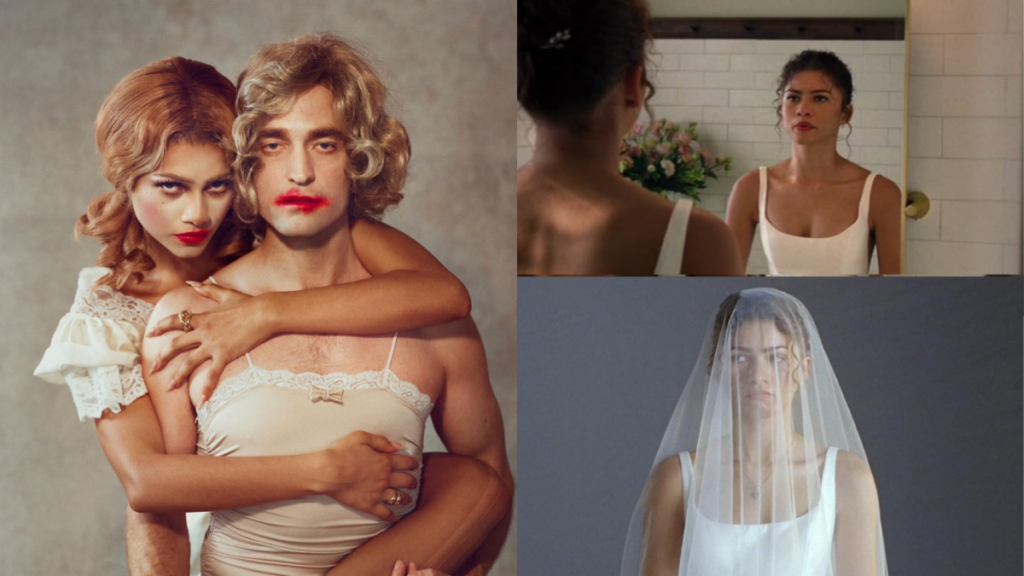
Hollywood recently witnessed an unforgettable stylistic gamble. Zendaya and Robert Pattinson stunned fans with dramatic blonde transformations. They appeared almost unrecognizable in a fashion-forward cover shoot. The pair posed for the March 2026 Interview Magazine issue, ahead of their new movie, The Drama. Pattinson, 39, adopted a bold, Marilyn-Monroe-inspired blonde bob. Zendaya, 29, embraced her own lighter blonde curls styled into pigtails. Both wore expressive makeup, including smeared red lipstick and pale face tones. Their images defy traditional celebrity aesthetics and feel like art pieces.

The duo’s outfits complemented their looks with unusual fashion choices. Pattinson sported a lace-trimmed camisole tucked into maroon pants. Zendaya matched his intensity with dramatic glam and expressive poses. The images shine in hues and contrast that highlight their hair and makeup. Each pose communicates tension, charm, and theatricality. Fans and fashion critics immediately reacted on social media to the bold visuals. Many praised the actors’ willingness to experiment. Others questioned what the shoot signals for their film promotion.

This visual departure matters because both Zendaya and Pattinson carry enormous star power. Zendaya has built her reputation as an award-winning actor with a bold sense of style and risk-taking. Pattinson has long balanced mainstream blockbusters with off-beat indie work. Together, their partnership feels dynamic and unpredictable. Their transformations here feel like a message: creativity can be conversational and provocative. As they move into this promotional era, all eyes are on how this imagery shapes audience expectations for The Drama.

A Closer Look at the Interview Magazine Shoot

The cover shoot for Interview Magazine gave both actors a chance to reveal new sides of themselves. The theme of the shoot centered on exploration and “entering the unknown.” Photographer Nadia Lee Cohen captured their expressions with carefully curated looks. Styled by Law Roach and Mel Ottenberg, the images lean into gender-bending fashion and experimental artistry. Both actors talked candidly during the interview segment that accompanied the visuals. In one moment, they swapped roles as interviewer and interviewee. This created a feeling of two friends sharing honest thoughts instead of staged press chatter.

Pattinson discussed how fame shaped him early in his career. He recalled that a therapist once assumed he was using drugs because his thoughts seemed difficult to follow. He used the anecdote to explain how introspection and misinterpretation often collide. Zendaya responded with humor about her own Hollywood life, including caring dearly for her pet dog. These exchanges revealed warmth beneath the surreal visuals. They showed that both actors are reflective and capable of self-deprecating humor.

The shoot wasn’t purely promotional. It felt like an artistic statement about identity, performance, and vulnerability. Such themes mirror the narrative tone of their upcoming movie, The Drama, where emotional uncertainty plays a central role. Audiences will likely remember these images as part of the movie’s broader cultural moment. In an era where celebrity visuals are instantly shared and debated, Zendaya and Pattinson crafted a memorable moment.

The Drama — A New Romantic Comedy Drama

Zendaya and Pattinson’s bold photoshoots are tied to a big cinematic project. The Drama is an upcoming romantic comedy-drama from A24. The film stars Zendaya as Emma Harwood and Pattinson as Charlie Thompson. Their characters are a couple navigating relationship turbulence just before their wedding. This setup allows for both emotional depth and comedic moments. The story promises an intimate look at love, conflict, and the human condition.

Directed by Kristoffer Borgli, the film blends awkward humor with heartfelt insight. The cast also includes Mamoudou Athie, Alana Haim, Hailey Gates, and Zoë Winters. Production took place across the UK and the US, including cities like Los Angeles and Boston. The movie’s narrative twists revolve around miscommunication, personal revelations, and the pressures of commitment. A24 has positioned the film to appeal to both mainstream audiences and fans of modern romantic drama. Its tone feels introspective, yet relatable.

Zendaya and Pattinson’s previous work together enhances expectations. Their chemistry recently became a talking point among entertainment circles. Audiences have responded positively to the idea of seeing two major stars navigate both dramatic and comedic territory. The promotional strategy, including the avant-garde imagery, signals that the movie will not follow traditional rom-com trends. Whether it becomes a breakout hit depends on how audiences respond to its emotional authenticity. With an April 3, 2026 release slated, attention will continue to build.

Fan Reactions and Cultural Impact

When Zendaya and Pattinson released their now-iconic blonde imagery, the internet reacted fast. Some fans embraced the surreal visuals and praised the duo’s fearlessness. Many appreciated how the actors pushed boundaries beyond standard celebrity portraits. They argued that such bold artistic choices invigorate film promotion with fresh conversation. These fans saw the shoot as strange, memorable, and reflective of modern artistic narratives.

Not all reactions were positive. Some viewers described the visuals as unsettling or hard to interpret. Those critics felt the avant-garde style clashed with expectations for a romantic comedy cast. They asked whether such imagery might distract from the film’s emotional heart. Social media threads showed fierce debate over whether the looks were genius or overly theatrical. Comments ranged from admiration to bewilderment, highlighting how art can polarize public opinion.

Cultural commentators suggested this reaction says something deeper about celebrity visual media today. In an age where every promotional image spreads worldwide within minutes, unpredictable aesthetics can create momentum, not confusion. Zendaya and Pattinson leveraged this power on purpose. Their images did not merely advertise a film. They sparked conversation about artistic expression in entertainment. Fans and critics alike are now investing in the narrative before seeing it on screen. This kind of early engagement is rare and powerful. It suggests a cultural moment where celebrity visuals shape audience anticipation.

The Broader Career Context for Zendaya and Pattinson

These transformations and film promotions come at a high point in both stars’ careers. Zendaya continues to build on her exceptionally diverse portfolio of work. She gained early fame on television and quickly became one of Hollywood’s most respected actors. Her film roles span from major franchises to critically acclaimed indie projects. Zendaya’s versatility and emotional nuance have earned her widespread admiration. Her work on television and film showcases her ability to anchor emotionally complex roles. She also holds important influence in fashion and cultural discourse.

Robert Pattinson has similarly reinvented his image over time. After achieving mainstream fame with blockbuster franchises, he pursued unconventional roles in indie cinema. This balance between commercial and artistic projects has positioned him as one of the most intriguing actors in contemporary film. His willingness to experiment with character and image fits perfectly with The Drama’s promotional imagery. It shows that both actors embrace risk and creative expression.

Their collaboration reflects current trends in Hollywood where genre lines blur. Actors increasingly mix high-art visuals with major studio promotion. Personalized storytelling, both in media interviews and visual campaigns, now plays a central role in how movies reach audiences. As Zendaya and Pattinson move into this exciting chapter, their choices continue to shape pop culture conversation. The Drama may very well become one of the defining films of 2026.

I Went to My Husband’s Workplace Holiday Party — And Blew Up the Gift Exchange

The Sweetest Tradition

Every December, my husband’s office throws a holiday party.

It’s not fancy. 

It’s not glamorous. 

It’s just a bunch of coworkers in an event space with string lights and catered pasta. 

But they love it.

The highlight every year is the gift exchange.

It’s really just an excuse to steal each other’s wine bottles and joke about who brought the worst candle.

Last year, someone unwrapped a giant singing fish.

The year before that, it was a suspiciously heavy fruitcake that made its way around the room three times.

It’s harmless.

That’s what I used to think.

I had never gone before. 

There was always a reason. 

I had a headache. 

I had plans. 

I “didn’t feel like small talk.”

This year, I said yes.

And that surprised him.

He looked up from his phone when I told him.

“You want to come?” he asked, like I’d just offered to run a marathon.

“I think it’s time,” I said. “I want to see where you spend all those late nights.”

He smiled. 

A little too quickly.

That was the first thing that didn’t sit right.

The Late Nights

For months, he’d been staying late.

Deadlines. 

New clients. 

A promotion “in the works.”

He’d come home tired but wired. 

Still half inside his phone. 

Still smiling at something that wasn’t me.

I told myself I was being paranoid.

Marriage isn’t always fireworks. 

Sometimes it’s laundry and leftovers and separate couches.

Still.

One night, he left his laptop open.

He was in the shower. 

I wasn’t snooping. 

I was just clearing the table.

A message popped up.

Her name was Belle.

I didn’t recognize it.

“Can’t stop thinking about earlier,” it said.

Earlier when?

I stared at the screen like it might explain itself.

Then another message came through.

“Tonight was dangerous. I liked it.”

Dangerous.

I closed the laptop.

I didn’t confront him.

Not yet.

Because there are moments when you realize something might break your life in half.

And you need a minute before you pick up the hammer.

Meeting Belle

A week later, he mentioned her.

Casually.

“Belle’s organizing the holiday party this year,” he said. “She’s new. Very… energetic.”

Energetic.

I nodded like the name meant nothing.

Like I hadn’t memorized the curve of each letter.

“She sounds fun,” I said.

“She is.”

He didn’t look at me when he said it.

That was the second thing that didn’t sit right.

I started paying attention.

He showered before work more often.

He bought a new cologne.

He laughed at his phone like someone was performing just for him.

I told myself I was overreacting.

But I also saved screenshots.

Just in case.

The Gift Idea

The invitation to the party came through email.

“Spouses welcome!” it said, with too many exclamation points.

There would be drinks. 

A buffet. 

And, of course, the gift exchange.

I RSVP’d before he could.

“Looking forward to meeting everyone!” I replied.

He saw it later that night.

“You didn’t have to answer so fast,” he said.

“I wanted to,” I told him.

He studied my face like he was trying to read a language he didn’t know.

That was the third thing that didn’t sit right.

The gift limit was $30.

“Something funny,” he said. “Don’t overthink it.”

I didn’t.

At least, not in the way he expected.

Collecting the Pieces

Over the next two weeks, I watched.

I didn’t accuse. 

I didn’t cry. 

I didn’t even ask.

I observed.

He had a “late meeting” every Thursday.

Belle posted photos from the office on Instagram. 

Group shots. 

Inside jokes.

In one photo, his arm was just barely visible at the edge.

Too close.

Close enough.

I zoomed in.

That’s when I noticed the bracelet.

The one I bought him for our anniversary.

He never wore it to work.

Said it was too nice for that.

Until now.

My stomach didn’t drop.

It settled.

Like something heavy finding its place.

That’s when I knew this wasn’t a misunderstanding.

It was a pattern.

The Screenshot Folder

I created a folder on my phone.

I named it “December.”

Inside, I saved everything.

The messages I’d glimpsed.

The Instagram posts.

The late-night Uber receipts from downtown hotels he claimed he’d never been to.

Each piece on its own could be explained away.

Together, they told a story.

I didn’t rush.

I didn’t explode.

I let him keep talking about “team bonding” and “client dinners.”

I let him kiss my forehead before bed.

And I let myself plan.

Because I didn’t want a screaming match in our kitchen.

I wanted clarity.

First Impressions

The night of the party, I wore red.

Not festive red.

Sharp red.

The kind that makes people turn their heads.

He noticed.

“You look… amazing,” he said.

“Thank you,” I replied.

I meant it.

The venue was decorated with fake snow and gold ribbons.

People laughed loudly. 

Drank quickly.

I stayed by his side at first.

Then I saw her.

Belle.

She was pretty.

Confident.

Blonde hair in loose waves. 

A black dress that fit like it had been tailored for her.

She walked toward us with a glass of wine and a smile that felt practiced.

“You must be his wife!” she said, hugging me before I could decide if I wanted that.

“I am,” I said.

Her perfume was sweet.

Too sweet.

“It’s so nice to finally meet you,” she added.

Finally.

That word lingered.

Watching the Room

Throughout the night, I watched.

Not obsessively.

Just enough.

When she laughed at his jokes, she touched his arm.

When he refilled her drink, he leaned too close.

They never crossed a clear line.

That’s the thing about affairs.

They live in the space just before the obvious.

I caught him looking at her when he thought I wasn’t watching.

And once, I caught her looking at me.

Like she was measuring something.

I smiled back.

Calm. 

Polite. 

Present.

Inside, I felt very still.

The Gift Table

About an hour in, someone announced it was time for the gift exchange.

Everyone cheered.

There was a long table covered in wrapped boxes.

Bright paper. 

Big bows. 

Questionable shapes.

We had brought a decent bottle of wine.

Or at least, that’s what he thought we brought.

When he went to the bar for another drink, I excused myself to the restroom.

But I didn’t go to the restroom.

I went to my car.

In the trunk was another box.

Wrapped in simple white paper.

No glitter. No ribbon.

Just a label.

I carried it back inside like it weighed nothing.

And I swapped it with ours.

No one noticed.

Or if they did, they didn’t care.

It was just a gift exchange.

Harmless.

Right?

A Small Adjustment

When I sat back down, he handed me a drink.

“Hope you’re ready to watch someone steal our wine,” he said with a grin.

“Oh, I’m ready,” I replied.

Across the room, Belle was laughing with a group of coworkers.

She had no idea.

And that was the point.

The game started.

Numbers were drawn from a hat.

People unwrapped gag gifts and fake gasped.

A neon desk lamp.

A mug that said “World’s Okayest Employee.”

The room was warm with noise.

Then someone picked up the white box.

Mine.

I felt my pulse in my throat.

“Who brought this one?” a man asked, shaking it.

“It’s so serious-looking.”

Belle raised her hand to draw her number.

And smiled.

She was next.

And she chose the white box.

Of course she did.

She liked mysterious things.

She carried it back to her seat.

Everyone leaned in.

“Open it!” someone shouted.

She laughed.

And started tearing the paper.

That’s when I finally felt something.

Not rage.

Not panic.

Just certainty.

Because inside that box was a smaller envelope.

And on the front, in clean black ink, were two words:

Affair Receipts.

And she was about to read them.

In front of everyone.

But she didn’t know that yet.

And neither did my husband.

He was still smiling.

For now.

The Room Goes Quiet

Claire smiled as she peeled back the last strip of white paper.

“Wow,” she said lightly. “So minimal.”

She lifted the lid.

Inside was a thick envelope.

She turned it over.

And read the front.

Out loud.

“Affair… receipts?”

The room laughed.

They thought it was a joke.

A work joke. 

A tax joke. 

Something ironic.

Her smile stayed in place for half a second too long.

Then she looked up.

And our eyes met.

The First Crack

“Open it!” someone called.

“Yes, open it!” another voice chimed in.

She hesitated.

Just a flicker.

My husband shifted beside me.

“That’s… weird,” he said under his breath.

I tilted my head. “Is it?”

Claire slid her finger under the flap.

The seal broke with a soft tear that somehow sounded loud.

She reached inside.

And pulled out the first sheet.

Paper Doesn’t Lie

It wasn’t glitter.

It wasn’t a prank certificate.

It was a printed screenshot.

Her name at the top.

His messages underneath.

Can’t stop thinking about earlier.

Tonight was dangerous. I liked it.

The room went very still.

Claire’s face drained slowly.

Like someone turning down a dimmer switch.

She flipped to the next page.

An Uber receipt.

Date. 

Time.

 Location.

The hotel two blocks from their office.

Someone coughed.

“This Isn’t Funny”

Claire looked around like she was waiting for someone to laugh.

No one did.

“This isn’t funny,” she said.

Her voice had changed.

It was thinner now.

My husband reached for the papers.

“Okay, that’s enough,” he said quickly. “It’s a joke. Someone’s being—”

“Is it?” I asked.

I didn’t raise my voice.

I didn’t stand up.

I just looked at him.

And for the first time that night, he couldn’t hold my gaze.

The Bracelet

Another sheet slid from the envelope onto the floor.

A printed photo.

Zoomed in.

His wrist.

The anniversary bracelet.

Her hand resting on it.

From one of her office posts.

The caption cropped out.

But the message clear.

A murmur moved through the room.

Someone whispered, “Oh my God.”

Claire bent to pick it up.

Her hands were shaking now.

The Attempt to Control

“Babe,” my husband said quietly, teeth clenched in a smile that didn’t reach his eyes. “Can we talk outside?”

Outside.

Of course.

He wanted the hallway.

The parking lot.

Anywhere without witnesses.

I shook my head.

“We can talk here,” I said.

Across the table, Claire was staring at the last page.

The one where she had written:

Tonight was worth the risk.

In her own words.

From her own phone.

No More Denial

“You went through my phone?” he asked me.

There it was.

Not I’m sorry.

Not This isn’t what you think.

Just offense.

I folded my hands in my lap.

“You left it open.”

He laughed once. Short. Sharp.

“This is insane.”

I nodded.

“Yes,” I said. “It is.”

Around us, coworkers shifted in their seats.

A few avoided eye contact.

A few didn’t.

Claire Speaks

Claire finally stood up.

“I didn’t know,” she said quickly. “He told me you were separated.”

The word hung in the air.

Separated.

My husband turned toward her so fast his chair scraped.

“I never said that,” he snapped.

She blinked.

“You did,” she whispered. “You said it was basically over.”

Basically.

I felt something inside me settle again.

Not break.

Settle.

The Story Changes

He ran a hand through his hair.

“This is private,” he said loudly, as if that would reset the room. “This shouldn’t be happening here.”

“You’re right,” I said. “It shouldn’t have.”

Silence.

The kind that presses against your ears.

Someone near the buffet quietly set down their drink.

No one was laughing anymore.

The Label Wasn’t a Joke

Claire looked down at the envelope again.

“Why would you do this?” she asked me.

It wasn’t cruel.

It was confused.

I met her eyes.

“Because you deserved to know the truth,” I said. “And so did everyone else.”

My husband stared at me like he didn’t recognize me.

Maybe he didn’t.

The Steal

The host cleared his throat awkwardly.

“Okay, uh… does anyone want to steal the gift?”

A weak attempt at humor.

No one moved.

The white box sat on the table between them.

Heavy now.

Untouchable.

It had stopped being a game the moment she read the first line.

And we all knew it.

The Walkout

Claire gathered the papers back into the envelope.

Carefully.

Like they were fragile.

She didn’t look at my husband again.

She grabbed her coat.

And walked out.

No dramatic speech.

No screaming.

Just the quiet click of the door closing behind her.

That sound felt louder than anything else that night.

What’s Left Behind

My husband stood there for a moment.

Then he turned to me.

“You embarrassed me,” he said.

I almost laughed.

Embarrassed.

“That’s what this is to you?” I asked.

He lowered his voice. “We could have handled this privately.”

“Like your hotel meetings?” I replied.

His jaw tightened.

He didn’t answer.

The Eyes in the Room

Every coworker was pretending not to watch.

But they were.

They had seen enough.

The messages.

The receipts.

The bracelet.

There was no spinning that.

No corporate language for it.

I stood up.

Smoothed my dress.

“I hope you all enjoy the rest of your evening,” I said calmly.

No sarcasm.

No edge.

Just final.

Outside

The air in the parking lot was cold.

Sharp in my lungs.

I stood by my car for a moment before unlocking it.

He followed me out.

“Please,” he said. “Can we just talk?”

Now he wanted to talk.

I leaned against the door.

“What would you like to say?”

He opened his mouth.

Closed it.

Then tried again.

“It didn’t mean anything.”

There it was.

The oldest line in the book.

Meaning

“It meant enough to risk our marriage,” I said. “It meant enough to lie to both of us.”

He looked tired now.

Not angry.

Not confident.

Just cornered.

“I messed up,” he said.

“Yes,” I replied.

Simple.

True.

No Fireworks

I didn’t yell.

I didn’t throw anything.

I didn’t cry in the parking lot under fake snowflakes.

I just looked at him.

And realized something quiet.

I had been alone in this marriage for months.

Tonight just proved it.

The Drive Home

We drove home separately.

He stayed.

I didn’t ask why.

The house felt different when I walked in.

Quieter.

I took off my heels.

Set them by the door.

Sat on the couch.

And let the silence exist.

No TV.

No music.

Just space.

Aftermath

The next morning, my phone buzzed.

Unknown number.

It was Claire.

I’m sorry, the message read. I truly didn’t know.

I believed her.

That was the strangest part.

The anger I expected to feel toward her wasn’t there.

Just clarity.

I typed back: You deserved the truth.

She didn’t respond.

She didn’t need to.

The Conversation We Finally Had

When he came home the next day, he looked smaller.

The confidence he carried to work every morning was gone.

We sat at the kitchen table.

No shouting.

No theatrics.

Just facts.

He admitted it had been going on for three months.

He admitted he told her we were “basically done.”

He admitted he liked the attention.

Each sentence felt like another brick placed between us.

Carefully.

Permanently.

Not Revenge

“What do you want?” he asked finally.

The question hung there.

I thought about it.

I didn’t want revenge.

The party had never been about humiliating him.

It was about ending the lie.

“I want honesty,” I said. “And I want space.”

He nodded slowly.

Like he understood that space might mean more than a spare bedroom.

Packing Light

That night, I packed a small suitcase.

Just essentials.

I wasn’t running.

I wasn’t being dramatic.

I was choosing quiet.

At the door, he said my name.

Soft.

Almost scared.

I paused.

“I hope it was worth the risk,” I said.

Then I left.

Closure Isn’t Loud

In the weeks that followed, things settled.

We talked. 

With a counselor. 

With lawyers.

There were hard conversations.

But there were also calm ones.

I didn’t regret the party.

I didn’t regret the white box.

Sometimes the truth needs witnesses.

Not for revenge.

For closure.

The Last Thing I Realized

People still talk about that holiday party.

Or so I’ve heard.

The gift exchange that went off the rails.

The mysterious envelope.

The silence.

But for me, it wasn’t a spectacle.

It was a turning point.

I didn’t blow up the gift exchange.

I ended a lie.

And in the quiet that followed, I found something steady.

Not perfect.

Not painless.

But mine.

And that was enough.

I Let My Best Friend Move Into Our Home — And Exposed What Was Happening While I Worked Nights

The Kind of Help You Don’t Question

When Helena called me crying, I didn’t even let her finish the story.

I was already saying yes.

“Of course you can stay with us,” I told her, pacing our kitchen with my phone tucked between my shoulder and my ear. “For as long as you need.”

She kept saying thank you like she didn’t believe me.

That should have been my first sign.

But it wasn’t.

Helena had been my best friend for eleven years. 

She knew every version of me. 

The broke student. 

The newlywed. 

The woman who learned how to function on four hours of sleep and night shifts at the hospital.

You don’t question someone who held your hair while you cried on a bathroom floor at twenty-two.

You just make space.

Even if that space is your guest room.

Even if that space is your life.

The Spare Key

She arrived on a Tuesday afternoon with two suitcases and that tired, grateful smile that makes you feel like a good person.

My husband carried her bags upstairs.

I remember watching them from the bottom of the steps. 

The way he said, “You’re safe here,” in that warm voice he uses when he wants someone to feel comfortable.

I loved him for that.

I loved him for being the kind of man my friends trusted.

That night we ate pasta at the kitchen island and drank cheap wine out of mismatched glasses. 

Helena kept reaching across the counter to squeeze my hand.

“I don’t know what I would’ve done without you,” she said.

And I believed her.

Which is why, three days later, I gave her the spare key and the alarm code and told her to treat the house like her own.

I worked nights. 

She had to be able to come and go.

That decision took five seconds.

But it would replay in my mind for months.

Our Opposite Schedules

My life ran in reverse.

I left the house at 6:30 p.m. when the sky was turning pink. 

I came back a little after 7 a.m., when the street smelled like coffee and cold air.

My husband worked from home most days. 

Helena was “job hunting,” which meant she was around a lot.

At first, it felt good.

He wasn’t alone all evening.

She wasn’t alone all day.

We were this strange little household that only overlapped for an hour at breakfast, passing each other in soft light and half-finished conversations.

It felt adult. 

Functional.

Generous.

Looking back, it also meant that there were long stretches of time when I wasn’t there.

Long enough for new routines to form.

Long enough for things to shift without me seeing it.

Small Things That Didn’t Add Up

The first thing I noticed was the coffee mugs.

I don’t drink coffee when I get home. 

It makes it impossible to sleep. 

My husband uses the same blue mug every day.

One morning there were two different mugs in the sink. 

Both still warm.

I remember touching one of them and frowning.

“Did you switch mugs?” I asked him later.

He looked confused for a second.

“Oh. Helena and I had coffee before her interview.”

That made sense.

It made complete sense.

So why did I think about it again while I was trying to fall asleep?

The Sound in the Background

A week later, I called home during my break.

I do that sometimes. 

Just to hear his voice. 

To feel like I’m still part of the evening.

He picked up right away.

“Hey,” he said, too quickly.

In the background, I heard laughter.

Not TV laughter. 

Real laughter. 

Close to the phone.

“Helena’s here,” he added, like he had to explain it.

“Obviously,” I said, smiling.

But when I hung up, I realized something.

He never mentioned her before.

Not once.

Not in any of our night calls.

The Towel

The towel was what stayed with me.

It was hanging on the back of the bathroom door when I got home. 

Not in the guest bathroom. 

In ours.

A pale green towel that belonged in the upstairs hall closet.

I stood there staring at it with my bag still on my shoulder.

It was damp.

Just used recently.

When he came in behind me, I lifted it slightly.

“Did Helena use our shower?”

He paused.

“She said the water pressure upstairs was bad.”

We both knew that wasn’t true.

He had fixed it two months earlier.

He had been proud of it.

But he was already walking away, already talking about something else, and I was too tired to push.

So I went to bed.

And I dreamed about locked doors.

The Cameras

We installed the security cameras after a package got stolen last winter.

Just two. 

One pointed at the front door and one at part of the living room. 

It wasn’t for spying. 

It was for safety.

I forgot it existed most of the time.

Until one night.

It was 2:13 a.m. 

My body was exhausted but my brain kept replaying the green towel, the coffee mugs, and the laughter.

So I opened the app.

Not to check on anything specific.

Just to feel like I was still connected to my own house.

The screen loaded slowly.

I expected to see darkness and the glow of the TV.

Instead I saw Helena.

She was standing there in one of my T-shirts.

Not similar.

Mine.

The oversized gray one with the cracked lettering.

I froze.

Rewinding

I told myself there was a normal explanation.

I told myself this while my fingers were already scrolling back through the timeline.

11:42 p.m. – Helena walking into the living room carrying two bowls.

11:44 p.m. – My husband reaching for one, their hands brushing in a way that lasted a fraction too long.

11:58 p.m – They disappear down the hallway together.

Not the guest room hallway.

Our hallway.

The one that leads to our bedroom.

I stopped the video there.

I didn’t want to see more.

But I also did.

My chest felt very calm. 

That was the strangest part.

Like my body had gone quiet so my brain could work.

The Angle

I watched the next clip with the sound off.

They came back into frame twenty-seven minutes later.

Her hair was different.

That’s the detail that broke something in me.

Not the timing.

Not the location.

Her hair.

Like she had run her fingers through it and forgotten to fix it.

Like she was comfortable.

Like she belonged there.

My house.

My shirt.

My hallway.

And my husband, walking behind her like this was normal.

The Morning After

When I got home, they were at the kitchen island eating toast.

Just like always.

He kissed me on the cheek.

She smiled and asked how my shift was.

I poured myself a glass of water and watched them over the rim.

Two people who knew something they thought I didn’t.

Except I did.

And they didn’t know that yet.

That was the moment the power shifted.

Acting Normal

I didn’t confront them.

Not that day.

Not that week.

I started watching.

Not obsessively. 

Calmly.

Like someone collecting information.

The camera showed patterns.

Shared meals. 

Late-night movies. 

The hallway again and again.

Always when I was at work.

Always when my car was miles away.

But the footage also showed something else.

The way they acted when they thought they were alone.

Relaxed. 

Easy. 

Familiar.

Not guilty.

That hurt more than anything.

The Story They Were Telling Themselves

He started mentioning her more.

“Poor Helena, she had another bad interview.”

“Helena cooked dinner for both of us.”

“Helena found that show you’d like.”

Her name, woven into my marriage like it had always been there.

I nodded.

I asked questions.

I let him think I believed every word.

At night, at work, I watched the real version on my phone while sitting in the staff locker room.

Volume off.

Heart steady.

The Moment I Knew What I Would Do

It happened on a Thursday.

There was a clip of the three of us from that morning. 

Me at the counter. 

Him making coffee. 

Helena scrolling on her phone.

A normal scene.

Except I knew that less than eight hours earlier, they had walked down my hallway together.

I watched myself in that video, laughing at something he said.

Trusting.

Unaware.

And I felt something settle inside me.

Not anger.

Not revenge.

Clarity.

I wasn’t going to scream.

I wasn’t going to cry.

I was going to choose the time and place where the truth would have nowhere to hide.

The Dinner Invitation

That night, I texted our friend group chat.

We haven’t had everyone over in forever. Dinner at our place next Saturday?

Friends I loved. 

People who had known us as a couple for years. 

The ones who helped us move in. 

The ones who toasted at our wedding.

Phones lit up immediately.

“Yes.”

“Miss you.”

“I’ll bring wine.”

Across the living room, Helena looked up from the couch.

“That’ll be fun,” she said.

My husband smiled at me.

“I’m glad you suggested it.”

I smiled back.

And for the first time since I opened that camera app, I felt something close to peace.

Because by then I knew exactly how the night was going to end.

And they didn’t.

The Night I Set the Table

All week, I moved through the house like everything was normal.

Helena sat on the couch with her laptop, applying for jobs she never seemed to get. 

My husband worked at the dining table, headphones in, asking me what I wanted for breakfast when I came home in the mornings.

I answered like I always did.

I even started leaving little things out on purpose. 

A cookbook open on the counter. 

A grocery list written in my handwriting. 

A bottle of wine in the fridge for “Saturday.”

I wanted them comfortable.

Comfortable people don’t prepare for impact.

At work, during my breaks, I watched the footage one last time. 

Not to hurt myself. 

Not anymore.

Just to make sure I knew exactly what I was doing.

By Thursday, I had chosen the clips.

Short. 

Clear. 

Impossible to explain away.

Cooking for a Crowd

Saturday morning, I cleaned the house from top to bottom.

I needed to move.

I washed the floors. 

I changed the bedsheets. 

I folded the blanket Helena had been using on the couch and placed it neatly over the armrest.

I made lasagna. 

Two trays.

Helena offered to help.

“Tell me what to do,” she said, tying her hair up.

I handed her a bowl and asked her to mix the salad.

We stood side by side at the counter like we had done a hundred times before. 

Like the nights in our twenties when we cooked together in tiny apartments and talked about the lives we were going to have.

“Thank you again for letting me stay here,” she said quietly.

’You’re my family,“ I replied.

And I meant it.

But that was the last kind thing I would say to her.

Guests at the Door

By six, the house was full.

Coats piled on the bed upstairs. 

Music playing low. 

Wine being poured into whatever glasses were clean.

Our friends hugged me like they always did.

“You look tired,” one of them said.

“Night shifts,” I answered.

My husband moved easily through the room, refilling drinks, telling stories, touching my back as he passed.

Helena laughed at all the right moments.

If I hadn’t known, I would have thought we were perfect.

I caught her watching him once, from across the kitchen.

It was a soft look. 

Familiar.

She noticed me noticing.

She smiled.

I smiled back.

The Phones Come Out Early

Someone suggested a group photo before we ate.

“While we still look decent,” they joked.

We gathered in the living room, squeezing together in front of the camera on a tripod.

“Wait,” I said. “Let me connect it to the TV so we can see the timer.”

That was normal for me. 

I’m the organized one. 

The one who sets things up.

No one questioned it.

My husband handed me the remote.

Helena went to the kitchen to get more drinks.

I opened the app.

The security feed filled the screen for a second before I switched to the saved clip.

Just long enough for the front-door angle to show.

Just long enough for my heart to try to climb into my throat.

Then the first video froze on the TV.

The First Second of Silence

At first, no one understood what they were looking at.

It was our living room. 

Nighttime. 

The familiar angle of the camera.

Helena walked into frame wearing my gray T-shirt.

Someone laughed softly, confused.

“Is this from earlier?”

My husband stepped closer to the screen.

I watched his face change.

Recognition is a physical thing. 

You can see the exact moment it lands.

Helena came back into the room behind us.

She followed our line of sight to the TV.

The glass in her hand didn’t drop.

That almost impressed me.

No Music, No Voices

I muted the speaker that had been playing music.

The room went completely quiet except for the low hum of the refrigerator.

On screen, he reached for the bowl she was holding. 

Their hands brushed. 

They stood too close.

Then they walked down the hallway together.

Into our bedroom.

Someone behind me whispered my name.

Not Helena.

Not him.

Me.

Soft. 

Like they already knew whose side they were on.

The Attempt at a Sentence

“Wait,” my husband said.

Just that one word.

He looked at me like there was still time to fix it.

To turn it into a joke.

To turn it off.

Helena didn’t say anything.

She didn’t look at me.

She was watching herself on the screen.

That was the detail I will never forget.

Not shame.

Not fear.

Calculation.

I Finally Speak

“I work nights,” I said, my voice steady. “Which means I miss a lot of what happens here.”

No one moved.

“This camera started as a way to watch for packages,” I continued. “Then it became a way for me to understand why there were two coffee mugs every morning. Why Helena’s towel was always in our bathroom. Why my husband stopped telling me who he spent his evenings with.”

My words were calm.

Careful.

Like I was explaining a recipe.

“I didn’t want to believe what I was seeing,” I added. “So I waited.”

I let that sit in the air.

“I wanted you both to have every chance to tell me the truth.”

They had never even tried.

The Shift in the Room

Our friends weren’t looking at the screen anymore.

They were looking at Helena.

At him.

At me.

Phones had appeared in hands without anyone announcing it. 

Not to film.

To text.

To process.

To tell someone else that something real and irreversible was happening in our house.

Helena finally spoke.

“It’s not what it looks like.”

There it was.

The sentence everyone says.

The Only Question That Mattered

I looked at her.

Not at him.

Her.

“In my bed?” I asked quietly.

That was all.

She opened her mouth.

Closed it.

For eleven years, she had always had something to say.

Not now.

The End of the Performance

My husband tried to step toward me.

“I was going to tell you.”

“When?” I asked.

He didn’t answer.

Because there is no good time to confess to something like that.

Only earlier.

Always earlier.

I Turn It Off

I didn’t play the rest of the clips.

I didn’t need to.

Everyone had already seen enough.

I pressed the power button and the TV went black.

The reflection in the screen showed all of us standing there in the same room, but not the same life.

What I Didn’t Do

I didn’t scream.

I didn’t throw anything.

I didn’t call them names.

That surprised people more than the video.

I just walked to the front door and opened it.

“You both need to leave,” I said.

Helena started crying then.

Real tears. 

Loud. 

Shaking.

My husband kept saying my name like it was a lifeline.

I didn’t take it.

After the Door Closed

The house was too quiet.

One of my friends turned the music back on very softly, like background noise in a waiting room.

Someone else started stacking plates.

Another person came and stood next to me without touching me.

No one said, “I’m sorry.”

They said, “Do you want some water?”

“Do you want us to stay?”

“Tell us what you need.”

Practical things.

Kind things.

I nodded.

For the first time all night, my hands started to shake.

The Clean-Up

Later, after everyone left, I walked through the house.

There was a second toothbrush in the holder in the bathroom.

A pair of Helena’s shoes by the couch.

The blanket she used folded neatly where I had placed it that morning.

I carried everything into the guest room and closed the door.

Not angrily.

Just methodically.

Like finishing a shift.

The Space That Was Mine Again

I slept in the middle of the bed that night.

Not on my side.

Not curled around the edge.

In the center.

The house felt different.

Not empty.

Honest.

For weeks, I had been living in a story I didn’t know the ending to.

Now I did.

What People Think It’s About

Everyone wants to know if I regret letting her move in.

If I regret trusting them.

I don’t.

Helping her wasn’t the mistake.

Lying was.

And that wasn’t mine.

The Last Conversation

He came back two days later to pick up the rest of his things.

We spoke in the doorway.

No shouting. 

No accusations.

Just the logistics of untangling a life.

“I never meant to hurt you,” he said.

“I know,” I replied.

And I did.

That doesn’t undo it.

Closure Isn’t Loud

Helena sent a long message.

Apologies. 

Explanations. 

Memories.

I didn’t answer.

Not because I hate her.

But because there was nothing left to discuss.

Some relationships don’t end in a fight.

They end in clarity.

The Thing I Got Back

I still work nights.

I still come home in the morning when the street smells like coffee and cold air.

But now, when I open the door, everything inside belongs to me.

The quiet.

The furniture.

The life.

Trust isn’t something you give once and keep forever.

It’s something you rebuild with yourself first.

And I have.

One calm, honest day at a time.

I Joined My Husband at His Fantasy Football Draft — And Exposed the Man He’d Been Hiding

The One Night I Wasn’t Supposed to Be There

My husband has been in the same fantasy football league for nine years.

Every August, it’s the same routine.

He disappears for the night.

Phone on silent.

Group chat blowing up.

“It’s just the guys,” he always says.

It’s loud. 

Competitive. 

Male-coded. 

Wings and beer and trash talk. 

I’ve never been invited.

And I never asked to go.

Until this year.

Because this year, something felt different.

Small Things You’re Not Supposed to Notice

It didn’t start with a lipstick stain or a secret hotel receipt.

It started with a charger.

One random Tuesday, I went to plug in my phone and noticed his wasn’t on the nightstand. 

He never goes to bed without it.

His phone was in the kitchen.

Face down.

Charging.

At 11:42 p.m.

He said he’d been tired.

I stood there longer than I needed to.

I didn’t touch it.

But I felt something move in my chest.

“You’re Overthinking It”

The next morning, he was cheerful.

Too cheerful.

Making coffee. 

Humming. 

Kissing my forehead like he hadn’t been distant for weeks.

I asked, lightly, “Why was your phone in the kitchen last night?”

He didn’t blink.

“Oh. I didn’t want notifications waking us up.”

We’ve slept with notifications on for twelve years.

But I nodded.

Because that’s what you do when you want to believe someone.

Still, something stayed with me.

The Shift

Over the next few weeks, the changes were small.

He started going to the gym again.

Bought new shirts.

Started caring about his hair.

I told myself it was a midlife refresh. 

Self-care. 

Growth.

But he also started guarding his phone.

Turning it face down when I walked into the room.

Taking it with him to the bathroom.

Laughing quietly at messages he wouldn’t show me.

One night I said, joking, “Who’s so funny?”

He said, “League chat.”

But it wasn’t draft season yet.

And I knew that.

The Name I Didn’t Recognize

Two weeks before the draft, I saw it.

I wasn’t snooping.

I was handing him his phone because he left it on the counter.

The screen lit up.

A notification preview.

“Can’t wait for Saturday. Wear the gray one 😉 – K”

Just a flash.

Just a second.

But long enough.

I handed him the phone.

“Who’s K?” I asked.

He smiled, casual. “Kevin. He’s hosting the draft this year.”

I’ve met Kevin.

Kevin does not send winking emojis about gray shirts.

I said nothing.

But I started watching.

Draft Night

The draft is sacred in this house.

He talks about it for weeks.

Studies rankings.

Argues trades before they even happen.

This year, he mentioned it less.

Almost like he didn’t want me thinking about it too much.

Two days before, I said, “What time are you leaving Saturday?”

He paused. 

Just slightly.

“Uh, around six.”

“Where is it?”

“At Kevin’s.”

I nodded.

Then I said it.

“Mind if I come for a bit? I’ll just say hi.”

He laughed.

“Babe. It’s not really your thing.”

“I know,” I said calmly. “I won’t stay long.”

That’s when I saw it.

Not anger.

Not annoyance.

Fear.

Just for a second.

Then he recovered.

“Sure. If you want.”

If I want.

Like it didn’t matter.

But it did.

Getting Ready

On Saturday afternoon, he showered twice.

He wore the gray shirt.

The one from the text.

I watched him adjust it in the mirror.

He looked nervous.

Not excited.

Nervous.

I got ready too.

Simple jeans. 

Sweater. 

Nothing dramatic.

He kept checking the time.

“Ready?” he asked, too fast.

“Ready,” I said.

And we left.

The Room

Kevin’s house was loud.

Music.

Laughter.

Beer bottles everywhere.

The guys cheered when we walked in.

“Whoa, she finally came!” someone shouted.

I smiled.

I hugged Kevin.

And then I saw him.

Not Kevin.

Him.

Sitting at the far end of the table.

Leaning back in his chair like he belonged there.

Laughing at something my husband had just said.

He wasn’t one of the regulars.

I know the regulars.

He looked up when we walked in.

And his expression shifted.

Just slightly.

Like someone had adjusted the lighting.

My husband cleared his throat.

“Oh. This is… Kieran. He’s, uh, a friend of Kevin’s. Filling in for Mark.”

Kieran.

K.

Wearing the kind of fitted gray tee my husband suddenly started liking this summer.

They were matching.

I walked over.

“Hi, Kieran,” I said.

He stood.

Too quickly.

“Hey. I’ve heard a lot about you.”

That’s when the room felt smaller.

He’s talked about me.

To him.

Sitting Down

I didn’t leave.

I pulled up a chair.

“I’ll just watch for a bit,” I said.

A few guys shrugged.

Someone handed me a drink.

The draft started.

Names shouted. 

Stats debated. 

Trash talk flying.

But my husband and Kieran kept leaning toward each other.

Whispering.

Smiling in a way that didn’t match the conversation.

Every time I looked at them, they straightened.

Too late.

About twenty minutes in, someone at the far end of the table smirked and said,
“Hey, you two gonna sit next to each other all night or what?”

A few guys laughed.

Not confused laughter.

Knowing laughter.

My husband forced a grin.

“Shut up,” he muttered, but it wasn’t convincing.

I kept my tone light.

“Sorry,” I said, glancing between them. “What’s the joke?”

Silence.

Just a flicker of eye contact around the table.

One of the guys shrugged. “Nothing. They’ve just been… inseparable lately.”

“Inseparable?” I repeated.

My husband reached for his drink.

Kieran leaned back in his chair.

Neither of them looked at me.

And that’s when I knew the joke wasn’t new.

It had history.

And I was the only one hearing it for the first time.

Watching Closely

I stayed quiet.

I watched.

The way Kieran’s knee angled toward my husband’s under the table.

The way their shoulders brushed and didn’t separate.

The way my husband kept glancing at me, then at him.

Measuring.

At one point, my husband’s phone buzzed on the table.

Kieran looked at it before he did.

Like he had access to everything that was my husband’s.

My chest tightened.

I sipped my drink.

And I waited.

Because I wasn’t going to explode.

Not here.

Not yet.

The Group Photo

About an hour in, Kevin stood up.

“Alright, annual draft photo!”

Chairs scraped.

Everyone crowded together.

I stood too.

I stepped closer to my husband.

He shifted immediately.

Kieran stepped back.

Just slightly.

I smiled at the camera.

And I felt something settle inside me.

Not panic.

Not rage.

Clarity.

I wasn’t leaving without answers.

And I wasn’t going to ask in private.

If this had been made public in jokes, it could be made public in truth.

But not yet.

First, I needed to be sure.

So I watched one more time.

As people rearranged themselves for another shot, I saw it.

My husband’s hand.

Resting low on Kieran’s back.

Not a quick tap.

Not accidental.

Familiar.

Claiming.

I looked at my husband’s face.

He wasn’t laughing anymore.

He was calculating.

Watching me.

Waiting to see what I’d do.

And that told me everything.

I smiled for the photo.

And in that moment, I knew exactly what I was going to say.

But I waited.

Because timing matters.

And so does an audience.

I Let the Silence Stretch

After the photo, everyone drifted back to their seats.

The music got louder.

Someone cracked another beer.

On the surface, nothing had changed.

But the air felt heavier.

I sat down again.

Same chair. 

Same drink.

Different understanding.

My husband avoided my eyes.

Kieran stared at the draft board like it required deep focus.

Across the table, two of the guys kept exchanging looks.

Not confused.

Uncomfortable.

That told me this wasn’t a surprise to them.

It was just a surprise to me.

The Joke Comes Back Around

A few picks later, someone called out, “Hey, make sure your partner’s happy with that one!”

More laughter.

My husband didn’t laugh this time.

Kieran smirked, then quickly wiped it away.

I tilted my head.

“Partner?” I asked lightly.

“It’s just draft talk,” Kevin said quickly.

I nodded.

Then I took a sip of my drink.

And I asked the question I’d been holding.

“Out of curiosity,” I said, calm as ever, “how long do league rules allow affairs?”

The room went still.

No one moved.

No one laughed.

The music suddenly felt too loud.

My husband’s chair scraped against the floor.

“Babe,” he said under his breath.

But I wasn’t looking at him.

I was looking around the table.

At the men who had been comfortable enough to joke about it.

“At least give me a timeline,” I added gently. “Is this a preseason thing? Or does it run the full year?”

Someone swore under their breath.

Kieran went pale.

And just like that, the fantasy ended.

When the Room Realizes You’re Not Joking

Kevin cleared his throat.

“Okay, let’s just—”

“Kevin,” I said softly. “Did you know?”

His silence answered first.

Then his eyes flicked to my husband.

That was enough.

One of the guys muttered, “Man…”

Another said, barely audible, “We thought you were cool with it.”

I turned slowly.

“You thought I was cool with it?”

The phrase echoed.

Cool with it.

Like this was an open arrangement I’d agreed to.

Like I’d signed off on it between grocery runs and dentist appointments.

My husband stood up.

“Can we not do this here?”

“Do what?” I asked. “Ask about league rules?”

No one came to his defense.

Not this time.

The Truth, In Plain Language

I finally looked at him.

“Is there something I’m misunderstanding?” I asked.

He rubbed his face.

“It’s not like that.”

“It looked like your hand on his back,” I said evenly. “Was I mistaken?”

Kieran’s jaw tightened.

My husband hesitated.

Too long.

That pause was louder than any confession.

“How long?” I asked.

Silence.

“Since May,” he said quietly.

May.

Five months.

Spring gym sessions.

Late meetings.

The gray shirt.

I nodded once.

Just to show I heard him.

Around the table, no one made eye contact.

The Man at the End of the Table

I turned to Kieran.

“You knew he was married.”

It wasn’t a question.

He nodded.

“Yes.”

His voice was steady.

More steady than my husband’s.

That surprised me.

“And you were comfortable,” I said. “With the jokes.”

He swallowed.

“We didn’t mean for it to be like that.”

“But it was,” I said.

Simple.

Clean.

True.

He didn’t argue.

Because there wasn’t anything to argue about.

Not Angry. Just Done Pretending.

I stood up then.

Slowly.

No rush.

“I won’t flip the table,” I said quietly. “You can finish your draft.”

No one smiled.

“I just needed to know if I was the only one in the dark.”

No one corrected me.

Which meant I had been.

My husband stepped toward me.

“Please don’t leave like this.”

“Like what?” I asked. “Calm?”

That seemed to unsettle him more than yelling would have.

The Part That Hurt More

I looked around the room.

“You turned my marriage into a running joke.”

No one interrupted.

“You all laughed about it.”

A couple of them shifted in their seats.

One guy said, “We thought you guys were… figuring things out.”

Figuring things out.

That’s what this was reduced to.

A storyline.

A subplot to draft night.

My husband opened his mouth to speak.

I raised a hand slightly.

“Don’t,” I said.

And he didn’t.

The Exit

“I’ll take the car,” I told him.

“I’ll Uber,” he said quickly.

That detail almost made me laugh.

Still negotiating logistics.

Still thinking practically.

I picked up my purse.

Before I reached the door, someone behind me said quietly, “I’m sorry.”

I didn’t turn around.

But I said, “I hope you are.”

And I meant it.

Because apologies only matter when they change something.

The Drive Home

The drive was quiet.

Streetlights passing in a steady rhythm.

I expected tears.

They didn’t come.

What came instead was clarity.

Five months.

Five months of him studying his phone like it held stock prices.

Five months of me asking if he was okay.

Five months of being told I was overthinking.

I pulled into the driveway.

Sat there for a moment.

Then went inside.

The house felt honest in a way it hadn’t in months.

The Conversation After

He came home an hour later.

Not drunk.

Not defensive.

Just tired.

We sat at the kitchen table.

The same one where his phone had charged face down that night.

“I didn’t plan this,” he said.

That sentence again.

Like desire is an accident.

Like secrecy just appears fully formed.

“You kept it going,” I replied.

He nodded.

“I didn’t know how to stop.”

That was honest.

But it wasn’t enough.

What This Actually Was

“This wasn’t just cheating,” I said quietly.

He looked up.

“You built a version of yourself that didn’t include me.”

He blinked.

“I watched you perform it tonight,” I continued. “In front of your friends.”

He had no answer.

“Was it easier,” I asked, “because it was a man?”

That question landed differently.

He exhaled slowly.

“I don’t know,” he said.

Which probably meant yes.

Or at least partly.

The Harder Truth

“I’m not angry that you’re attracted to men,” I said.

He looked startled.

“I’m angry that you made me the last person to know who you are.”

Silence.

“That’s the betrayal,” I added.

Not the gender.

Not the secret texts.

The lie.

He nodded.

And for the first time that night, he looked ashamed.

Not exposed.

Ashamed.

There’s a difference.

The Choice in Front of Us

He asked if I wanted him to leave.

“Yes,” I said. “For now.”

He packed a bag quietly.

No slamming doors.

No shouting.

When he stood in the hallway, he looked smaller than he had in that crowded room.

“I’m sorry,” he said.

“I know,” I replied.

But knowing doesn’t undo five months.

Or the laughter.

What Remains

The house is quiet tonight.

Not empty.

Just quiet.

I keep replaying the moment I asked about league rules.

Not because I regret it.

But because I don’t.

I didn’t scream.

I didn’t humiliate.

I asked a question.

And the truth stepped forward.

That matters to me.

Closure Isn’t Clean

We’ll talk more.

Maybe therapy.

Maybe separation.

I don’t know yet.

What I do know is this:

I’m not competing with a man.

I’m not competing at all.

If he’s discovering something about himself, that’s his work to do.

But I won’t be the cover story while he figures it out.

And I won’t sit in a room again while my marriage is the punchline.

That chapter closed the moment I asked the question.

The rest is still unwritten.

But at least now, it’s honest.

And that’s more than I had yesterday.

Leighton Exposes “Mocking” Ariana Grande Moment

Photo Credit: MTVUK / Instagram; leimmeester / Instagram

Viral Red Carpet Moment Sets Off Backlash

A brief exchange between Leighton Meester and Ariana Grande escalated into a viral online controversy. Clips from the Critics Choice Awards showed Grande enthusiastically greeting acquaintances as she walked the red carpet. Grande said, “Love you so much! Wow, wow, wow,” while smiling broadly at Meester. At first glance, Meester appeared to repeat the phrase followed by a laugh before moving on.

Many viewers interpreted Meester’s reaction as sarcastic or mocking of Grande’s tone. Online commentators quickly shared screenshots and video snippets across social media platforms. Some wrote that Meester’s body language made the moment seem dismissive toward Grande’s friendly greeting. That interpretation fueled a wave of criticism that rippled far beyond the event itself.

Critics and fans alike voiced their reactions within minutes of the clip spreading. Speculation about Meester’s intent grew as more people viewed the short video online. People filled comment threads with judgments based solely on the brief interaction. The rapid pace of social sharing meant context did not accompany many reposts.

The backlash eventually reached broader entertainment pages and discussion forums. Some users framed the moment as symbolic of larger celebrity tensions. Others accused Meester of disrespecting Grande without direct evidence. That social response set the stage for deeper clarification in the days that followed.

Meester Explains What Actually Happened

Leighton Meester later addressed the moment to clarify what occurred. During a podcast interview, she explained that loud noise affected her perception. She said she misheard Grande’s greeting because of crowd and camera sounds. Meester initially responded based on what she thought she heard, not on disrespect.

Meester said she thought Grande referenced her own past emotions at a previous Critics Choice Awards. She once cried when her husband won an award at the same show. Believing Grande referred to that earlier moment, Meester echoed the words sincerely and then laughed. She said her reaction was meant to connect warmly, not mock.

Only later did she realize she had misunderstood Grande’s actual words. Meester called the entire moment “so embarrassing” in her explanation. She openly apologized to Grande once she knew what really happened. According to Meester, Grande reportedly laughed about the misunderstanding afterward.

The clarification shifted much of the public perception that had developed online. People who initially criticized Meester found humor in the mix-up instead. Some continued to defend Grande while acknowledging that miscommunication played a role. Meester’s explanation reminded many that context matters before judging public moments.

Why Audiences Responded So Strongly

Ariana Grande has a massive global fanbase that tracks her public appearances closely. When fans saw the clip, they reacted quickly based on perceived intent. Grande’s enthusiastic greeting made people expect equally positive responses. Anything that looked ambiguous or cold drew heavy criticism from her supporters.

Social media platforms encourage fast judgments, especially with short video clips. Clips often lack context, leading viewers to fill in missing details themselves. That dynamic frequently fuels online firestorms before fuller explanations emerge. In this case, many users saw only a split second of footage and assumed intent.

Celebrities live under intense scrutiny, and even minor gestures can spark debate. Viewers often base opinions on tone and body language alone. Without full conversation, it becomes easy to misinterpret playful reactions as negative ones. Once an idea takes hold online, it spreads rapidly across feeds.

Discussions around this exchange revealed how quickly online audiences judge personalities and intentions. Many people accepted the misunderstanding once it was explained publicly. Others still made broader comments about celebrity etiquette. The episode highlighted the need for context before rushing to critique.

Backlash Patterns in Celebrity Culture

Celebrity interactions often become lightning rods for public opinion online. Similar situations have occurred with Grande before, where clips spurred strong reactions. Fans regularly scrutinize every gesture, tone, and expression for meaning. That pattern shows how viral culture amplifies minor moments into talking points.

In many cases, people interpret tone without real context. Social feed algorithms favor quick emotional reactions over detail. People often react first and ask questions later. That phenomenon can create backlash even if no offense was intended.

Public figures, especially musicians and actors, navigate a complex landscape of fan expectations. When gestures seem ambiguous, fans may assign narratives not supported by facts. Later clarifications often lose momentum compared to initial reactions. That imbalance sometimes makes misunderstandings more visible than reconciliations.

This incident illustrates how miscommunication can affect both celebrities and their audiences. Understanding dynamic social patterns helps explain widespread reactions. It also highlights why public figures sometimes choose to speak directly about confusing moments. Their explanations can help calm misinformation and misinterpretation online.

Lessons from the Misunderstanding

This viral exchange reminds audiences to seek context before forming judgments. Brief clips rarely tell the full story behind an interaction. When people fill in missing details, they often project assumptions that aren’t accurate. Taking time to learn more prevents unnecessary backlash.

Leighton Meester’s explanation brought clarity to a moment that lacked context. Her candid discussion showed that miscommunication happens, even among celebrities. In this case, laughter and intention were misunderstood in a crowded, noisy setting. Only later did audiences learn what was actually said and meant.

The public response also shows the power of online communities to amplify narratives. Emotional reactions spread rapidly, sometimes faster than explanations. That phenomenon challenges celebrities to be proactive in clarifying situations. Their explanations help bridge gaps between perception and reality.

Ultimately, the exchange between Meester and Grande became a lesson in online interpretation. It showed that not every viral backlash reflects true intent. When audiences embrace patience and context, public discourse improves. This incident may serve as a reminder that compassion and clarity matter in digital culture.

I Attended My Husband’s Alumni Networking Event — And Realized He Brought His Affair With Him

The Invite I Wasn’t Supposed to See

The email sat in our shared inbox for three days before I opened it.

“Alumni Networking Mixer. Partners welcome.”

I almost deleted it. 

My husband, Joshua, always went to these things alone. 

He said they were boring. 

All handshakes and small talk. 

Bad wine. 

Loud rooms.

But the words “partners welcome” stayed with me.

I read it twice.

Then I checked the date.

Tonight.

He hadn’t mentioned it.

And that was the first small thing that didn’t sit right.

The Way He Said “Just Work Stuff”

Joshua came home early that day. 

Earlier than usual.

He showered right away. 

Changed into the navy blazer he only wore for important things. 

The one that smelled faintly of cologne and confidence.

“Big meeting?” I asked.

“Just work stuff,” he said. 

Too fast.

He didn’t look at me when he said it.

He was tying his tie in the mirror, but his eyes kept flicking to his phone on the counter.

Buzz. 

Flip. 

Face down.

Buzz. 

Flip. 

Face down.

I watched him do it three times.

“Anything fun tonight?” I asked lightly.

He smiled in the mirror. 

“No. Just emails. Probably late.”

That was when I remembered the email.

Alumni mixer. 

Partners welcome.

I didn’t say anything.

Not yet.

A Feeling Without a Name

I didn’t think “affair.”

I didn’t think “cheating.”

I thought something softer and more dangerous.

Why didn’t he tell me?

That question stayed with me as he left.

He kissed my cheek. 

Quick. 

Distracted. 

Already halfway out the door.

I stood in the kitchen listening to his car pull away.

And for the first time in a long time, the house felt… staged.

Like I was on a set after the actors had gone home.

Something had been happening here without me.

The Email Again

I opened the email again after he left.

Same line. 

Same wording.

“Partners welcome.”

I stared at the venue address. 

It was fifteen minutes away.

I checked the time. 

The event had started twenty minutes ago.

I don’t know what made me do it.

Curiosity. 

Pride. 

Boredom. 

Instinct.

Maybe all of them.

I went to the bedroom and changed.

Getting Ready Without Knowing Why

I didn’t dress like I was going to a party.

I dressed like I was going to observe.

Black trousers. 

Soft sweater. 

Minimal makeup. 

Hair tied back.

Comfortable shoes.

I told myself I was just dropping by. 

Just saying hello. 

Being supportive.

A normal wife doing a normal thing.

But my hands were shaking while I put on my earrings.

And I still didn’t know why.

The Drive That Felt Too Quiet

The drive took twelve minutes.

I kept thinking I would turn around.

At every red light, I gave myself permission to go home.

But I didn’t.

I parked across the street from the venue and sat there with the engine running.

People were going in laughing. 

Dressed well. 

Holding phones and small gift bags.

I saw two women walk in together, one linking arms with the other.

Partners welcome.

I turned off the car.

I think, deep down, I already knew this wasn’t going to be simple.

The Room Full of Noise

The lobby smelled like perfume and wine.

There was a table with name tags and smiling volunteers.

“Name?” a woman asked.

I hesitated for half a second.

Then I said, “Joshua Harper. I’m his wife.”

She smiled warmly and handed me a tag.

WIFE.

I stuck it to my sweater.

I don’t know why that felt important.

But it did.

Seeing Him Before He Saw Me

The room was loud.

Clusters of people. 

Business cards. 

Laughter that felt a little forced.

I spotted Joshua near the bar within seconds.

And he wasn’t alone.

He was standing very close to a woman in a cream dress.

Not inappropriate. 

Not obvious.

But close in a way that told me they had already been standing there for a while.

They weren’t talking like strangers.

They were talking like people who had shared something earlier.

Something private.

He was smiling in a way I hadn’t seen at home in months.

That easy, relaxed smile.

I didn’t walk over.

I watched.

The Way They Leaned Toward Each Other

She touched his arm when she laughed.

Lightly. 

Naturally. 

Like it belonged there.

He didn’t move away.

He didn’t even seem to notice.

They leaned toward each other when the room got loud.

Her head tipped slightly when he spoke, like she cared about every word.

I felt something settle in my stomach.

Heavy. Cold.

Not jealousy.

Recognition.

This wasn’t the first time they had stood like this.

The Phone in His Hand

His phone buzzed.

He looked at it.

She glanced down too.

They shared a look.

A private one.

Then he typed something quickly and put the phone away.

She smiled before he even looked back at her and took her phone out, too.

I knew that look he gave her.

I had seen it when we were first dating.

When we were the ones sending messages no one else knew about.

And suddenly, I wasn’t confused anymore.

I was very, very clear.

I Still Didn’t Move

I stood there longer than I should have.

Long enough to feel stupid.

Long enough to feel invisible.

Long enough to realize this wasn’t new.

They weren’t nervous. 

They weren’t cautious.

They were comfortable.

Comfort comes from practice.

And that was when my brain finally said the word I hadn’t wanted to think.

Affair.

The Moment I Almost Left

I turned toward the exit.

My heart was loud in my ears.

I could leave. 

Go home. 

Pretend I never saw this.

Wait for him to come back and lie to my face.

I imagined him saying, “Just work stuff.”

I imagined nodding.

I imagined living with this image in my head forever.

That was when I stopped walking.

I wasn’t going to carry this alone.

Walking Toward Them

I walked across the room calmly.

No rush. 

No drama.

I passed people laughing and talking about careers and travel and internships from fifteen years ago.

I wondered how many of them were standing next to secrets.

Joshua still hadn’t seen me.

He was mid-story, hands moving as he talked.

She was watching him like he was the only person in the room.

I stopped three steps behind them.

Close enough to hear.

Close enough to be part of it.

And then I waited.

Hearing Her Say His Name

She said, softly, “Joshua, you always tell that story like it just happened.”

Always.

The word landed quietly.

Always.

Not tonight.

Not once.

Always.

He laughed. “I guess I do.”

I felt something in me go very still.

This wasn’t a flirtation.

This was history.

He Finally Turned

He shifted his weight and turned slightly.

And saw me.

I have never seen a face change that fast.

Color drained. 

Smile gone. 

Eyes wide.

For a split second, he looked like a child caught doing something he didn’t understand was wrong.

Then he looked terrified.

“Emily?” he said.

He never used my name like that.

Like a question.

And She Looked at Me Too

The woman turned.

She looked confused first.

Then curious.

Then something else.

Recognition.

Not of me.

But of the situation.

She didn’t look surprised that I existed.

She looked surprised that I was here.

And that told me everything.

I smiled.

Calm. 

Polite.

Controlled.

“Hi,” I said.

Saying It Out Loud

I kept smiling.

The room felt smaller, like the air had thickened around us.

Joshua opened his mouth, but nothing came out.

So I spoke first.

“I’m Emily. Joshua’s wife.”

I didn’t raise my voice.

I didn’t have to.

The word wife carried on its own.

Her expression changed in a way I will never forget.

Not shock.

Not guilt.

Understanding.

Like a puzzle piece sliding into place.

The Silence That Drew Attention

No one shouted. 

No glasses broke.

But something shifted.

The people nearest to us stopped talking. 

Just slightly. 

Just enough.

You could feel the quiet moving outward in soft waves.

Joshua tried to laugh. “Emily, what are you doing here?”

I tilted my head. “The invite said partners welcome.”

I watched him realize he had no answer for that.

And for the first time all night, he looked small.

She Tried to Be Polite

She stuck out her hand.

“I’m Melissa,” she said.

Her voice was steady. 

Professional. 

Practiced.

I shook her hand.

It was warm. 

Confident. 

Not trembling.

That bothered me more than anything.

She wasn’t acting like someone caught.

She was acting like someone inconvenienced.

Like this was a scheduling problem.

The Conversation That Wasn’t Meant for Me

Joshua started talking too fast.

“Melissa and I were just catching up. We haven’t seen each other since—”

“Since when?” I asked softly.

He stopped.

Melissa looked at him, waiting.

Waiting for him to choose a version of the truth.

I watched that moment happen between them.

That silent negotiation.

And I understood how long this had been going on.

The Way People Pretended Not to Listen

Around us, conversations had resumed.

But badly.

Too loud. 

Too forced.

Eyes kept flicking in our direction.

Phones came out, but no one was looking at their screens.

Everyone knew something was happening.

No one wanted to be obvious about it.

I realized this was no longer private.

And strangely, that made me calmer.

Asking the Simple Question

I looked at Melissa.

Not angry. 

Not cruel.

Just curious.

“How do you know my husband?”

Joshua flinched before she answered.

She didn’t.

“We dated in college,” she said.

Dated.

Past tense. 

Clean. 

Safe.

I nodded slowly. “And now?”

That was when her confidence cracked.

Just slightly.

Enough for me to see it.

The Look They Shared

She looked at Joshua.

Joshua looked at the floor.

No one spoke for three full seconds.

Three seconds is a long time when the truth is sitting between three people.

I didn’t need them to answer.

Their silence did it for them.

And I felt something inside me settle into place.

This wasn’t a suspicion anymore.

This was confirmation.

Joshua Finally Spoke

“It’s not what you think,” he said.

Of course he did.

I almost smiled.

“I haven’t said what I think,” I replied.

He blinked.

Melissa stepped back half a step.

Like she didn’t want to be standing so close to him anymore.

The Room Was Watching Now

Someone walked past us very slowly.

Another person pretended to refill their drink twice.

I caught a woman across the room staring openly.

I remembered that this was an alumni event.

These were people who knew Joshua from before me.

Before our marriage.

Before this life.

And many of them probably knew Melissa too.

Which meant they understood this situation faster than I did.

The Question I Didn’t Plan to Ask

“How long?” I said.

I didn’t raise my voice.

I didn’t sound angry.

I sounded tired.

Joshua’s eyes went glossy. “Emily, please. Not here.”

That told me it had been long enough to be humiliating.

Long enough that the timeline mattered.

Melissa didn’t speak.

She just watched him.

Like this was his mess to clean.

Realizing I Was the Only One Calm

I noticed something strange.

I wasn’t shaking anymore.

My heart wasn’t racing.

I felt clear. 

Focused. 

Present.

Like my body had decided this was a problem to observe, not panic over.

Joshua, on the other hand, looked like he might faint.

And Melissa looked like she wished she was anywhere else.

That shift in power was quiet.

But I felt it.

I Thanked Her

I turned to Melissa.

“Thank you,” I said kindly.

She frowned. “For what?”

“For showing me,” I replied.

She didn’t understand at first.

Then she did.

Her face changed from confusion to something close to regret.

Because she realized she hadn’t won anything here.

She had just exposed something.

Joshua Tried to Move Us Away

“Let’s go outside,” he said quickly.

He reached for my elbow.

I stepped back.

“No,” I said gently. “I’m comfortable here.”

He dropped his hand like I’d burned him.

And in that moment, I knew he was more afraid of this being seen than of losing me.

That told me everything I needed to know.

The Final, Quiet Blow

I looked at him.

Not angry. 

Not crying.

Just clear.

“You told me this was just work stuff.”

He closed his eyes.

Just for a second.

Like he couldn’t bear to hear his own words repeated back to him.

When he opened them, he looked older.

Smaller.

Human.

Leaving Before It Got Loud

I didn’t yell.

I didn’t cry.

I didn’t make a scene.

I just nodded once.

“Well,” I said softly, “now I know.”

And I turned around.

I walked through the crowd that was pretending not to part for me.

Out the door.

Into the cool night air.

No one stopped me.

No one followed.

The Walk to the Car

My legs felt light, like I wasn’t fully inside my body.

I unlocked the car slowly.

Sat in the driver’s seat.

And only then did my hands start to shake.

Not from sadness.

From release.

From the weight of not having to wonder anymore.

The Drive Home

The road was quiet.

Streetlights blurred past the windshield.

I kept replaying her face when I said “wife.”

The way Joshua looked at the floor.

The way the room shifted.

And I realized something strange.

I didn’t feel betrayed in that moment.

I felt finished.

Him Coming Home Later

He came home an hour after I did.

I was sitting at the kitchen table with a glass of water.

The house looked normal.

Too normal.

He walked in slowly, like he was entering a hospital room.

“Emily,” he said.

I looked up at him calmly.

And for the first time in our marriage, I saw a man I didn’t recognize.

The Conversation Without Drama

He started explaining immediately.

“I didn’t mean for this to happen.”

“It was just talking at first.”

“I was going to tell you.”

I let him talk.

I didn’t interrupt.

Because none of it mattered anymore.

The story was already written.

The Only Thing I Asked

When he finally stopped, I asked one question.

“Were you ever going to bring me there?”

He didn’t answer.

And that silence hurt more than everything else combined.

Because it meant the plan was always to keep me out of the picture.

To keep me separate from this other life.

Understanding the Real Betrayal

It wasn’t the affair.

Not really.

It was the careful compartmentalizing.

The way he had edited me out of his world.

Like I was something fragile he needed to store safely at home.

While he went out and lived fully somewhere else.

The Calm That Surprised Us Both

“I’m going to bed,” I said.

He stared at me. “That’s it?”

I nodded.

“Yes. That’s it.”

Because there was nothing left to fight for in that moment.

Only things left to decide later.

Lying in the Dark

I lay in bed staring at the ceiling.

I thought I would cry.

I didn’t.

I felt strangely peaceful.

Like I had been waiting for this truth without knowing it.

Like my body had been tired of pretending everything was fine.

What I Realized Before Sleeping

I realized I hadn’t gone to that event to catch him.

I had gone because some quiet part of me already knew.

And tonight, I had simply walked into the proof.

I didn’t need revenge.

I didn’t need a scene.

I just needed to see it with my own eyes.

And now I had.

I closed my eyes.

And for the first time in a long time, I slept without wondering what he was hiding.