

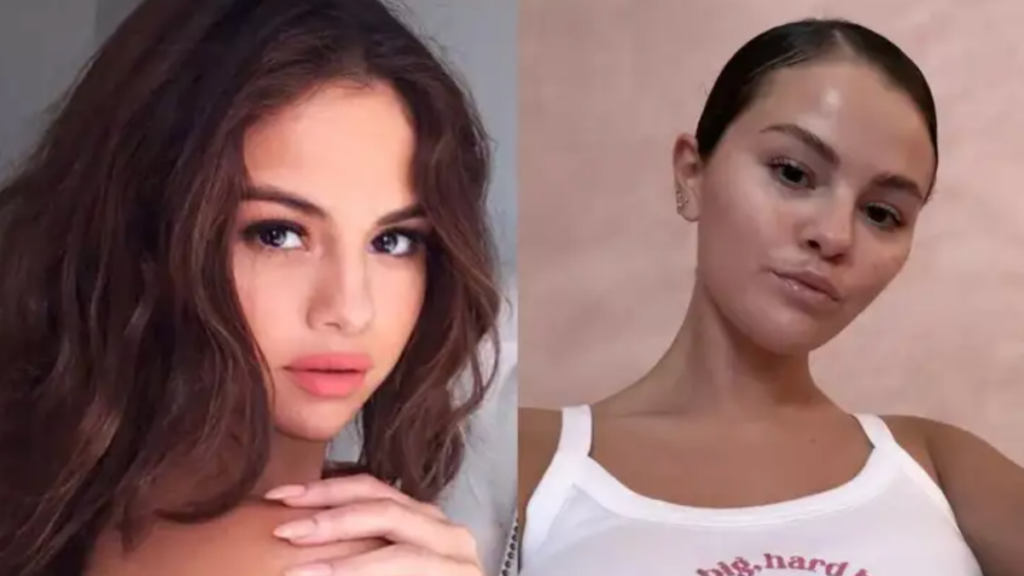
Photo Credit: X/@selenagomezbase
Viral TikTok Theory Takes Off
A new online rumour claims a beloved celebrity was replaced after her health struggles. Social media users on TikTok began sharing videos about Selena Gomez’s supposed clone. They allege Gomez died due to complications from lupus and a kidney transplant. These videos claim a lookalike now performs public duties in her place. The claim spread rapidly across TikTok and other platforms, drawing millions of views. Especially notable was a screenshot that users linked to Jeffrey Epstein’s files to make their case stronger.
No reputable outlet has verified the screenshot, and experts have dismissed it as unsubstantiated. The circulating image shows a fragment reading “decided about Selena,” but it lacks metadata, context, or authentication. These details indicate the image alone cannot serve as proof of anything about Gomez. In past similar instances, screenshots or isolated fragments took on a life of their own online despite having no factual basis at all. The pattern shows how easily unverified claims spread on short-form video platforms.
This type of content illustrates how online feeds can amplify speculation. TikTok’s recommendation system fuelled copies of the same narrative with different creators. Each repost increased visibility and curiosity among viewers. However, none of the alleged evidence links to court documents, law enforcement records, or credible investigative reporting. Experts warn viewers not to accept viral snippets as truth. Viral online claims often lack foundational proof and mislead even intelligent audiences when repeated.
Despite the wild nature of the clone rumour, there is no verifiable evidence supporting it. The widespread attention highlights the potent mix of celebrity interest and online misinformation.
Health Changes Versus Conspiracy Claims
Selena Gomez has been open about her health challenges since 2017. She publicly disclosed her lupus diagnosis and later revealed undergoing a kidney transplant. Fans and media have also noted shifts in her appearance over the years. These changes have straightforward explanations rooted in medical treatments. Experts note medications like immunosuppressants and steroids can affect someone’s look and energy. Natural aging and lifestyle factors also contribute to changes in hair, face shape, and expression.
Despite these facts, some theorists leveraged visible changes to support their clone narrative. They claimed that differences in Gomez’s face and voice proved she was no longer the “original.” These interpretations misunderstand how medical treatments and healing can influence outward appearance. Steroids, for instance, can temporarily change facial structure or body weight. Doctors consistently emphasise that such effects are normal side effects and not signs of secret identity swap or illness cover-ups.
Creators also pointed to unrelated elements, like a tattoo by Justin Bieber, to reinforce their storyline. They suggested a memorial gesture rather than a romantic symbol. This interpretation was speculative and detached from verified reporting or statements from either celebrity’s camp. Fans and critics alike have called out these unfounded leaps in logic. Many argue that misreading such changes reflects broader issues in how people treat women in the public eye. Expectations about beauty and consistency often drive extreme speculation.
Medical explanations provide a logical, evidence-based account of why Gomez’s look evolved over time. They offer a far stronger basis than any viral TikTok clip.
The Role of the Epstein Screenshot
One reason the clone theory resurged was a screenshot supposedly linked to Jeffrey Epstein’s email archive. The image, however, has no official verification. It does not include crucial details like timestamps or sender and receiver information. It only shows a fragment reading “decided about Selena,” which leaves interpretation wide open. None of the public legal releases from Epstein’s cases mention Gomez.
Media outlets that have covered the screenshot consistently note its unverified nature. They point out that it lacks the legal context required for fact-based reporting. Without any originating source from court filings, investigators, or authenticated databases, the image holds no evidentiary value in credible journalism. Yet TikTok creators have used it to fuel speculation anyway.
Experts warn that incomplete or cropped screenshots can be dangerous tools for misinformation. Online users often mistake them for proof, especially when combined with strong emotional hooks. In this case, gossip about a beloved celebrity and the public’s existing fascination with Epstein content worked together to drive engagement. Viewers often do not pause to consider the difference between verified evidence and random image snippets. This problem is especially notable on platforms built for rapid consumption like TikTok.
Ultimately, the screenshot claim adds little to the conversation beyond viral virality. It remains a disconnected image with no documentary verification.
Social Media Reactions Vary
Online responses to the clone theory have been diverse. Some TikTok users treat the content as humour or satire. They post memes that poke fun at the idea, highlighting how absurd it is. Others engage seriously, debating whether shared evidence holds weight. This spectrum shows how quickly speculation can go from joke to controversy. Discussions often blend pop culture, celebrity gossip, and sensationalism in equal measure.
Many critical voices emphasise the harm of spreading unverified claims. They say wild rumours can damage mental health and reputations. Baseless narratives may unfairly fuel harassment or resentment toward public figures. In a few cases, fans have confronted each other over believing or rejecting the theory. These debates spill into comment threads on TikTok, Twitter, and Reddit. Often, disagreements stem from differences in how people evaluate evidence.
Critics also highlight how short video platforms exacerbate misinformation. TikTok’s algorithm promotes videos based on engagement rather than truth. This dynamic can elevate sensational clips to millions of views before fact-checking occurs. Independent researchers and journalists often struggle to keep pace with rapid circulation on social feeds. Viral rumours can become embedded before corrections appear.
Overall, reactions demonstrate how a community can split between scepticism and credulity. They underscore that speculation often reveals more about social media culture than about the celebrity at the centre of the story.
Why Conspiracy Theories Persist
Conspiracy theories often thrive when they tap into emotional curiosity. People enjoy puzzles and narratives that feel hidden or secret. Online platforms encourage these tales because they generate engagement and shares. High-profile celebrities are especially prone to such speculation. When a public figure experiences visible life changes, observers sometimes prefer conspiratorial explanations.
The clone theory about Selena Gomez fits this pattern. It combines a beloved public figure, medical history, a tantalising screenshot, and viral social media trends. This mix encouraged fast sharing and debate across digital communities. Yet, none of the underlying claims stand up to basic fact-checking. Verified journalism and expert commentary emphasise evidence over conjecture.
Misinformation experts suggest that education about digital media literacy is key. Teaching users how to spot unverified sources and understand platform dynamics can reduce the impact of similar rumours. Awareness of how algorithms amplify certain types of content can also help people make informed choices. As online platforms evolve, similar stories will likely continue to appear. Understanding their mechanics helps users differentiate truth from fiction.
Ultimately, the ongoing interest in celebrity conspiracies reflects online culture more than reality. Approaching such topics with scepticism and serving evidence-based information helps reduce the spread of misinformation.
