Home Blog Page 51

Erika’s “Inappropriate” Texts with a 15-year-old “Absolutely Vile”

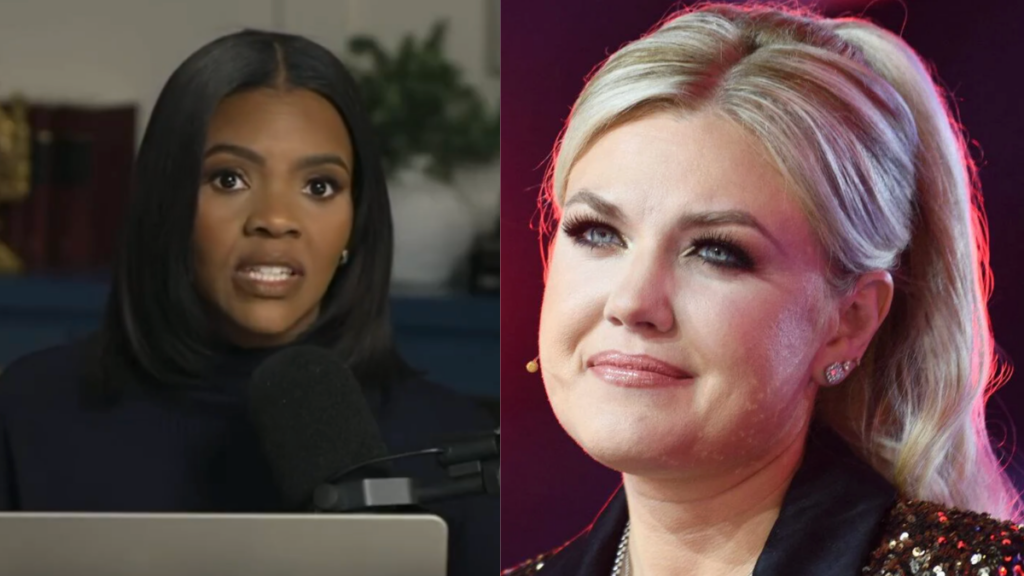
Photo Credit: Candace / Youtube; ZUMAPRESS.com / MEGA

Viral Texts and Public Backlash

In the past week, public attention has turned to Erika Kirk over alleged communications from years ago. Social media users shared screenshots claiming Kirk sent intimate texts to someone identified as a 15-year-old. These purported messages began circulating online and sparked a major backlash. Conservative commentator Candace Owens amplified the allegations during a live broadcast, calling the behavior “absolutely vile” and inappropriate. Critics quickly voiced outrage on various platforms, asserting that the exchanges crossed serious boundaries between an adult and a minor.

The screenshots circulated widely across X (formerly Twitter) and Instagram. Some posts suggested those texts included flirty or suggestive comments from Kirk. Others depicted snippets of a conversation that appeared unusual for an adult-teen dialogue. Because the messages date back to roughly 2013–2014, many observers noted Kirk was younger then, which added context to the debate. However, advocates for Kirk argue that the messages are unverified and lack independent confirmation.

Importantly, no official law enforcement action has been confirmed in connection with these claims. Recent fact-checking reporting made clear that Kirk has not been arrested or publicly investigated over these allegations. Authorities have not released records tying her to any criminal case related to the viral screenshot story. Supporters warn against sensationalizing unverified material about serious accusations involving minors.

The social media uproar reflects how quickly online communities can elevate historic content into major controversy. Whether the screenshots prove authentic remains a topic of fierce debate. Some analysts worry about reputational harm based on uncorroborated posts. Others maintain that public figures must be held accountable when questionable behavior surfaces online. This story demonstrates how digital platforms shape modern reputational conflicts.

Who Is Erika Kirk? Background and Public Role

Erika Kirk is a businesswoman, nonprofit leader, and conservative figure who rose to prominence over the past decade. She first attracted attention in the public eye as Miss Arizona USA 2012, competing in the national pageant. After her pageant days, Kirk built a profile through philanthropy and media projects, including Bible-focused initiatives and a podcast. In 2019, she began a personal relationship with conservative activist Charlie Kirk, whom she married in 2021.

Kirk’s public prominence increased significantly when her husband co-founded the youth political group Turning Point USA (TPUSA). After Charlie Kirk’s assassination in 2025 while speaking at a university event, Erika stepped into a leadership role. She became CEO and chair of the board at TPUSA, guiding the organization through a period of transition and public scrutiny. Her rise to this position has linked her identity to a highly politicized movement, intensifying attention on her actions and statements.

Her role at TPUSA includes public speaking, media appearances, and organizational strategy. She has also kept a visible social media presence, where supporters praise her resilience and critics dissect her communications. This background helps explain why allegations — whether verified or not — gain widespread traction online. As a figure representing a major political brand, Kirk occupies a space where personal history and public perception intersect intensely.

The current controversy does not stem from her formal work duties or recent conduct. Instead, it involves allegations tied to her past prior to her political leadership. Still, online critics frame it as relevant to her character and suitability as a public leader. Defenders, by contrast, call for caution and demand proof before drawing conclusions or assigning blame. This divide deepens the ongoing debate about Kirk’s public image.

Understanding Erika Kirk’s background clarifies why the latest allegations have excited broad commentary. Her personal life and public roles intersect in ways that influence how audiences interpret her actions. Whether or not the screenshots prove authentic, they trigger broader discussions about accountability and the digital age. And the controversy is significantly fueled by how politics amplifies personal controversy.

The Role of Social Media in Amplifying Claims

Social media platforms played a central role in spreading these allegations about Erika Kirk. Screenshots of old text exchanges went viral across X, Instagram, and other online outlets. Users shared the images with commentary that framed the messages as evidence of predatory behavior. Because platforms incentivize shareable and emotionally charged content, these posts reached a wide audience in a short time.

Commentators from multiple political perspectives weighed in rapidly. Some amplified the claims, demanding accountability and legal consequences. Others cautioned against accepting unverified screenshots at face value without corroboration. The result was a polarized online conversation that often diverged from journalistic standards.

The public reaction also reflects a broader trend of how allegations — especially involving minors — spread on social media. Viral content can generate backlash before full context or verification emerges. Critics argue that rush-to-judgment dynamics harm individuals’ reputations unjustly. Advocates of transparency counter that public figures should face scrutiny when questionable material appears. Both viewpoints influence how digital audiences interpret the controversy.

Online platforms also enable amplification by influencers and commentators with large followings. When a well-known voice highlights a claim, the story gains additional traction. In this case, commentators outside traditional journalism significantly shaped the narrative. This pattern demonstrates how social media has reshaped modern news cycles and public accountability frameworks.

Ultimately, the Erika Kirk scenario illustrates social media’s power to elevate historical content into major public debate. Whether the allegations prove true, their online spread has already influenced public perception. In an era of digital audiences, viral stories can eclipse conventional reporting and propel controversies far beyond their original scope.

What We Know — And What We Don’t

At this time, none of the alleged texts have been independently verified by mainstream news organizations. The screenshots circulating online come from private accounts and cannot be authenticated through official records. That means we cannot confirm the accuracy of the messages or the context in which they occurred.

Secondly, Erika Kirk has not been arrested, charged, or publicly investigated in connection with the grooming allegations. Multiple fact-check reports confirm there is no criminal case linking her to any such investigation. Online rumors about arrests related to fleeing the country have been debunked as false.

What we do know is that the allegations date back more than a decade — long before Kirk became a national political figure. At the time, she was active in modeling, pageants, and early media appearances. The passage of time complicates efforts to assess authenticity and intent. What appears in screenshots might lack crucial context, motivations, or interpretation.

Public discourse about the case remains divided. Supporters emphasize the absence of evidence and call for restraint before assuming guilt. Critics assert that even uncorroborated material deserves serious conversation and accountability. Both perspectives contribute to a charged public environment around this matter.

Until reliable verification emerges, the allegations remain unproven claims circulating online. Reporting that relies on verified evidence and credible sources — not unconfirmed screenshots — will be essential to move this story forward responsibly. For now, public understanding should be guided by fact checks and careful analysis.

Politics, Reputation, and Digital Culture

The Erika Kirk controversy highlights how political figures now navigate digital reputational hazards. Public personalities face intense scrutiny not just from journalists but from online communities, commentators, and influencers alike. Viral claims can influence public opinion regardless of verification. This reality raises important questions about fairness, accountability, and due process in the digital era.

In politically charged environments, narratives often reflect broader ideological battles. Supporters and opponents may use the same piece of content to draw opposite conclusions. This dynamic can turn personal allegations into proxies for larger political narratives. Such polarization risks obscuring factual accuracy in favor of partisan storytelling.

The role of influencers — individuals with sizable audiences but not subject to journalistic standards — further complicates public discourse. When influencers highlight or interpret content for their followers, narratives can evolve quickly. Their reach can rival or exceed traditional outlets, shaping perceptions without evidence-based reporting.

For public figures like Erika Kirk, this means their histories — even long before fame — remain accessible and subject to reinterpretation. The tension between transparency and privacy plays out in real time on social platforms. Society must grapple with balancing open discourse and protecting individuals from defamation.

As the controversy unfolds, one takeaway is clear: digital culture continues to redefine how we evaluate public information. Viral content may spark debate, but responsible discussion requires scrutiny, context, and verification. In a landscape where reputation and politics intersect, accurate and cautious reporting matters more than ever.

I Tried to Donate Blood at a Community Drive… and That’s How I Found Out My Husband Was Cheating — So I Exposed Him in Front of Everyone

Signing Up Felt Normal

When I signed up to donate blood at the community drive, I didn’t think much of it. 

It was one of those things you do because it feels right, because someone posted the sign-up link in a group chat or mentioned it at church, and you think, why not?

It was being held at the local school gym, the same place they hosted bake sales, voting days, and community meetings. Familiar. Safe. Ordinary.

My husband actually encouraged me to sign up.

The Way He Supported It

He was unusually supportive about it, reminding me of the appointment more than once, asking if I needed a ride, even offering to drop me off himself. He said it was a good thing to do, that the community needed donors, that it mattered.

He sounded proud of me.

Looking back, that part makes my stomach turn a little.

The Drive Felt Like Any Other

The gym was set up with folding tables, medical screens, coolers, and volunteers wearing matching T-shirts. 

People chatted quietly, filling out paperwork, sipping juice, scrolling their phones while they waited their turn.

I checked in, showed my ID, and took a seat with the other donors.

Everything felt normal.

Being Called Aside

When my name was called, I expected the usual routine. Vitals. Questions. Consent forms. 

Instead, the staff member glanced at my paperwork, then looked up at me with an expression that was polite but cautious.

“Can I speak with you privately for a moment?” she asked.

I nodded, confused but not alarmed.

The Room Felt Smaller

She led me behind one of the screens, away from the other donors. 

The noise of the gym faded just enough to make the space feel quieter, more serious.

She sat across from me and folded her hands.

“There’s been a flag on your household,” she said gently.

I blinked.

“A flag?” I repeated.

Trying to Understand

She explained that sometimes households are flagged due to previous donation records or disclosures that affect eligibility. 

She spoke carefully, choosing her words with precision, clearly trained to deliver sensitive information without causing panic.

I listened, trying to make sense of what she was saying.

None of it matched my reality.

Asking the Obvious Question

“I don’t understand,” I said. “I’ve donated before. Nothing has changed.”

She hesitated for just a moment before asking something that caught me completely off guard.

“Has your husband discussed this with you?” she asked.

The Question That Changed Everything

I stared at her.

“No,” I said. “Why would he?”

Her expression shifted slightly, not dramatically, but enough that I could tell I wasn’t supposed to be hearing this for the first time.

“I just assumed,” she said carefully, “that you already knew.”

Realizing Something Was Very Wrong

My heart started to race, not because she had said something alarming outright, but because of what she hadn’t said. 

She was waiting. Watching my reaction. Measuring her words.

I leaned forward.

“What is this about?” I asked quietly.

The Explanation That Didn’t Explain Enough

She told me that I wouldn’t be able to donate that day. That there were eligibility concerns connected to my household that needed to be addressed before I could participate again.

She didn’t say more.

She didn’t have to.

Walking Back Into the Gym

I walked back into the main area in a daze, the noise suddenly too loud, the chatter too normal. People laughed. Someone waved at me. A volunteer asked if everything was okay.

I nodded automatically.

I felt like I was floating.

Seeing Him Waiting

My husband was standing near the entrance, checking his phone. When he saw me, he smiled and walked over.

“All done?” he asked.

There it was.

The casualness. The ease.

The Lie That Wasn’t Even Spoken

“They said I couldn’t donate,” I said.

He paused for half a second too long.

“Oh,” he said. “That’s weird.”

Too weird.

Watching Him Pretend

He didn’t ask why. He didn’t look concerned. He didn’t seem surprised. He just shrugged it off like it was a technical issue, something small and unimportant.

“We can talk about it later,” he said. “You still did the right thing by coming.”

I stared at him, trying to read his face.

The Pieces Started Moving

On the drive home, I replayed the conversation over and over in my head. 

The staff member’s careful tone. 

The word household

The question she asked about my husband, like she expected me to already be aware.

He drove with one hand on the wheel, relaxed, humming quietly to the radio.

Asking Him Directly

That afternoon, I asked him again.

“What did she mean when she asked if you’d talked to me?” I said.

He barely looked up from his phone.

“Probably just protocol stuff,” he said. “You know how those things are.”

Knowing That Wasn’t True

I did know how those things were.

And that wasn’t it.

Learning There Was a Luncheon

Later that day, we went back to the school for the volunteer luncheon connected to the blood drive. It was meant to thank donors and organizers, a casual gathering with sandwiches, speeches, and a few announcements.

He insisted we go.

“People expect us,” he said.

That was when something inside me hardened.

Sitting in the Audience

The gym looked different now, set up with tables and a small microphone stand at the front. People chatted easily, unaware of the storm building inside me.

I watched my husband laugh with neighbors, accept thanks, act like nothing was wrong.

And I realized something with sudden clarity.

He knew.

Being Invited to Speak

Toward the end of the luncheon, the organizer took the microphone and began thanking volunteers and donors by name. 

She smiled warmly as she scanned the room.

“And we’d love to hear from one of our donors,” she said. “Anyone who’d like to share a few words.”

Her eyes landed on me.

My husband stiffened.

Standing Up

People clapped politely as I stood, the sound ringing in my ears. 

I felt strangely calm as I walked toward the microphone, my mind clear in a way it hadn’t been all day.

I looked at my husband.

He shook his head slightly.

I picked up the microphone.

The Room Was Expecting Gratitude

When I picked up the microphone, people smiled at me. 

A few nodded encouragingly, assuming I was about to say something kind or appreciative. 

It was a volunteer luncheon, after all. 

This was the part where people thanked organizers, talked about community, and moved on with their day feeling good.

My husband smiled too.

That almost stopped me.

Starting Where They Were Comfortable

“I just want to thank everyone who helped organize today,” I said. “It’s really impressive how much work goes into something like this, and how many people show up to help.”

A few people clapped softly.

The organizer beamed.

Letting the Truth Breathe

“I signed up to donate because I thought it was a small way to give back,” I continued. 

“I was really grateful to be encouraged to do it.”

I glanced at my husband briefly, then back to the room.

“But I wasn’t allowed to donate today.”

The clapping stopped.

Saying It Simply

“When I was pulled aside, I was told my household had already been flagged,” I said. 

“And when I asked why, the staff member asked me if my husband had already talked to me about it.”

You could feel the shift.

People leaned forward. Someone whispered, “What does that mean?”

Watching Him Panic

My husband stood up quickly.

“This isn’t the time,” he said loudly. “We can talk about this later.”

I didn’t raise my voice.

“I didn’t know what it meant either,” I said. “That’s why I’m asking now.”

Asking Him By Name

I turned toward him.

“Can you explain to everyone here,” I said, “why you already knew something that affects my health and never told me?”

The room went completely silent.

Phones Came Up

It wasn’t dramatic. 

No one announced it. 

Phones just appeared, lifted quietly but firmly, like people instinctively understood they were witnessing something that wouldn’t stay private.

My husband’s face went pale.

The Explanation Never Came

He opened his mouth, then closed it again. 

He looked around the room, searching for an exit that didn’t exist. He tried to laugh it off, then stopped when no one laughed with him.

“I didn’t think—” he started.

“That’s the problem,” I said. “You didn’t think about me at all.”

Letting the Room Connect the Dots

I didn’t spell everything out. I didn’t need to. 

People understood what it meant when someone knew information that could stop a donation but didn’t share it with their spouse.

The whispers started.

Someone shook their head.

Another person muttered, “That’s awful.”

The Organizer Tried to Help

The organizer stepped forward, clearly shaken, and gently suggested we take a break. 

She offered to talk privately, to move things along, to restore order.

I handed her the microphone.

“I’m done,” I said.

Walking Away With Dignity

I didn’t yell. I didn’t cry. I didn’t wait for his response. 

I picked up my purse and walked out of the gym while people watched in stunned silence.

No one stopped me.

The Fallout Was Immediate

By the time I got to the parking lot, my phone was already buzzing. 

Messages from neighbors. From friends. From people who had been in the room and wanted to check on me.

Videos were circulating.

Questions were being asked.

What He Lost That Day

It wasn’t just his marriage. 

It was his standing in the community. 

The trust people had placed in him. The respect he had carefully built by showing up and smiling and pretending.

That all vanished in minutes.

What I Gained

I didn’t feel triumphant. 

I felt relieved. 

Like I had finally put down something heavy I didn’t realize I’d been carrying.

I stopped protecting a lie that wasn’t mine.

The Part That Still Hurts

What hurt most wasn’t the betrayal itself. 

It was knowing he had information that mattered to my body, my health, my future, and chose to keep it to himself because it was inconvenient.

That kind of silence is its own betrayal.

The Ending I Chose

I didn’t stay to argue. I didn’t stay to explain. 

I left because the truth had already done its work.

Sometimes dignity isn’t about how quietly you leave.

It’s about telling the truth before you do.

Justin & Hailey’s Kiss Sparks Chaos

Photo Credit: Hailey Bieber/Instagram; Brianna Bryson/WireImage

A Snapshot of Love: Hailey and Justin’s Passionate Kiss

Hailey Bieber recently shared a tender moment with her husband, Justin Bieber, that sparked attention online and in celebrity news. The model reposted a throwback photo on her Instagram Stories showing them kissing passionately during a vacation. In the image, she is identified as a Sagittarius, and Justin as a Pisces, highlighting astrology as part of their connection.

On February 13, 2026, Hailey’s Instagram repost included zodiac labels over their figures and celebrated the idea that their chemistry was “written in the stars.” This came amid Valentine’s Week, making the post especially romantic. Fans widely shared the story, and a meme account dedicated to astrology reinforced the symbolic connection between their signs.

Hailey and Justin married in September 2018 and now share a son named Jack Blues Bieber, born in 2024. Their relationship journey has played out publicly, with many image dumps and social posts capturing both affection and celebration over the years.

The affectionate photo also reminded fans of their several public moments over the years. Whether on red carpets, vacations, or music events, the pair often share warm, personal snapshots with each other. That history of PDA highlights their comfort and closeness in both private and public settings.

This recent kissing photo reflects that ongoing warmth. It also aligns with public responses describing the couple as being in a “strong place” after notable career milestones. Their romance continues to capture attention because of its blend of celebrity spotlight and genuine affection.

How Their Relationship Began and Evolved

Hailey and Justin’s relationship did not begin overnight. The couple first met years before they married, forming a friendship that evolved over time. They dated briefly in the early 2010s and reconciled years later, ultimately getting engaged and married in 2018.

From the start, their bond contrasted with Justin’s highly public relationships of the past. Hailey moved from being a friend and model acquaintance to his partner and eventually his wife. Fans followed along as the romance deepened, with the couple often appearing in candid photos during major events.

Their love story often appeared on social media through throwback photos and snapshots of affectionate moments. Hailey shared a carousel once that included a passionate kiss on a sunset beach from early in their relationship, symbolizing a turning point for them.

Even after marriage, they have shown public support for each other’s careers. Hailey stood by Justin during his Grammys comeback and appeared proud during his nominations and performances. That public partnership reinforces the idea that their bond goes beyond occasional PDA.

Their history shows growth and resilience. Fans now recognize them not just as a celebrity couple, but as parents and collaborators in each other’s separate pursuits. Their affectionate moments therefore resonate with a narrative of enduring partnership.

Public Displays of Affection Through the Years

Justin and Hailey have shared numerous affectionate scenes over the years. Their public PDA often counters rumors of strain and highlights their connection. During the summer of 2025, they shared a passionate kiss at a “Swag” album listening party.

At the West Hollywood event, the couple embraced and captured their affection on camera. Justin posted a series of photos on Instagram showing them locked in a kiss. Those moments reinforced a public image of closeness amid major career celebrations.

In another appearance, they attended a Toronto Maple Leafs hockey game where they held hands and kissed in the crowd. These gestures helped dispel rumors of difficulties by showcasing affection in everyday life.

Even before marrying, fans remember early PDA captured at festivals like Coachella, including a forehead kiss that reflected tender intimacy.

These affectionate displays show that their physical connection often mirrors their emotional bond. Whether at high-profile events, casual outings, or nostalgic throwbacks, their reactions toward each other remain openly loving and intentional.

Astrology and the Symbolism Behind Their Kiss

Hailey’s Instagram story post did more than show a photo—it tapped into the idea of astrology influencing relationships. In her repost, she highlighted both her Sagittarius sign and Justin’s Pisces sign as complementary.

Sagittarius personalities are often described as adventurous, optimistic, and bold. In contrast, Pisces personalities are seen as emotion-driven, compassionate, and supportive. The meme suggested that this pairing contributes to vibrancy in their bond.

Astrologers often frame such combinations as energetic but nurturing, implying that the partners bring out the best traits in each other. Whether or not fans take astrology literally, framing their chemistry this way adds narrative allure to their romance.

Hailey’s choice to repost this particular zodiac meme during Valentine’s season also underscores how the couple uses symbolism to celebrate their relationship publicly. Such astrological interpretations have become popular on social media.

Regardless of astrology’s scientific validity, fans enjoy the story because it romanticizes their connection. It reinforces the widely held perception of their marriage as passionate, enduring, and mystically linked.

What This Means for Celebrity Relationships Today

Hailey and Justin’s public kiss reflects broader trends in celebrity relationships. In today’s digital era, fans expect personal moments to be visible online, and stars often share highlights intentionally. This increases engagement and deepens fan connection.

Their relationship also illustrates how celebrity couples balance privacy with public persona. Neither partner shares everything, yet moments like these bring audiences closer to their story. Celebrity social media has become a platform where fans can witness both big milestones and small tender gestures.

These public snapshots also serve to counteract tabloid rumors. In recent years, fans have circulated speculation about their marriage under varying headlines. Visible affirmations like affectionate photos offer clear reminders of their unity and love.

Beyond Hollywood news outlets, their love story resonates because it blends everyday romance with star-level glamour. Whether discussing zodiac compatibility, album achievements, or family life, the couple continues to captivate public interest.

Ultimately, their passionate kiss is more than a photo. It represents enduring partnership, shared experiences, and a willingness to celebrate love publicly in a world where relationships are often dissected by fans and press alike.

JLo is “Furious” About Bad Bunny Snub

Photo Credit: Entertainment Tonight / Instagram

The Super Bowl Halftime Show and Jennifer Lopez’s Reaction

The 2026 Super Bowl LX halftime show featured global superstar Bad Bunny as its only headliner. The show took place on February 8, 2026, at Levi’s Stadium in Santa Clara, California. The performance celebrated Bad Bunny’s Puerto Rican heritage and featured guests like Lady Gaga and Ricky Martin.

Bad Bunny’s selection marked the first time a Latino solo artist headlined the Super Bowl halftime show almost entirely in Spanish. The performance included cultural themes and artistic elements that drew praise from many fans. Yet it also sparked political and cultural debate about representation and language.

Following the show, reports emerged claiming Jennifer Lopez was upset that she wasn’t invited back to perform or make a cameo during Bad Bunny’s set. According to that source, Lopez felt disappointed not being included in any part of the show.

Lopez previously had been a Super Bowl mainstage performer. She co-headlined the 2020 halftime show with Shakira, where Bad Bunny appeared as a guest. Fans often remember that earlier performance for its energy and Latin pride. That shared history added fuel to reactions about her absence this year.

Social media immediately responded to the claim of Lopez’s “snub.” Some fans expressed sympathy for her, while others celebrated Bad Bunny’s historic moment. Regardless of speculation, Lopez has not publicly confirmed she felt “furious” or slighted. The story remains reported only by a celebrity news insider source.

The Legacy of Lopez and the Super Bowl

Jennifer Lopez has a long history with the Super Bowl stage. In Super Bowl LIV (2020), she and Shakira co-headlined one of the most talked-about halftime shows in recent memory. That performance included guest appearances by Bad Bunny, J Balvin, and Lopez’s daughter Emme.

That show blended Latin music and cultural moments with mainstream spectacle. Critics and fans alike praised its celebration of Latina identity. It also marked a moment where Lopez further cemented her legacy as a major halftime performer.

Since then, Lopez has continued her multifaceted entertainment career. She has starred in films, acted on television, and maintained a busy music schedule. Her influence and cultural impact extend far beyond sporting events.

Before the 2026 Super Bowl, Lopez publicly supported Bad Bunny. She posted enthusiasm and encouragement for his performance on Instagram. She highlighted their shared Puerto Rican heritage and praised his talent.

Her public support stood in contrast to rumors of her being upset at not being included in the show. Nonetheless, her positive messaging emphasized unity and cultural pride ahead of the event. Lopez has historically embraced opportunities to uplift Latin artists, a role she reaffirmed in her pre-game messages.

Bad Bunny’s Halftime Show Impact and Backlash

Bad Bunny’s halftime show became one of the most talked-about performances of Super Bowl LX. His show blended dance, cultural symbolism, and artistic storytelling celebrating everyday life and Latin heritage.

The hip-hop and reggaeton star’s selection as headliner ignited intense reactions. Supporters lauded his representation of Latino culture on arguably the world’s largest entertainment platform. Critics, especially from conservative circles, decried the choice because much of his performance was in Spanish.

Political disagreement and cultural debate spilled into mainstream news, with some calling for investigations into the show’s content. A group of Republican congressmen demanded formal inquiries based on perceived explicit aspects of the performance.

Despite the controversy, many viewers focused on the show’s unifying message. Bad Bunny concluded his set with themes of love and togetherness that resonated with diverse audiences. Meanwhile, cultural commentators emphasized how his work challenged norms and expanded representation on one of America’s biggest stages.

His halftime show became a cultural flashpoint, celebrated by many as a watershed moment and criticized by others grounded in differing cultural expectations. This context is key to understanding why Lopez’s rumored reaction generated such attention and debate.

The Rumor of Lopez’s “Snub” and Public Reaction

The narrative that Jennifer Lopez was “furious” about not being included in Bad Bunny’s Super Bowl set spread quickly online. Celebrity gossip sites reported that she felt overlooked by the NFL production for 2026.

According to that report, Lopez maintained a public image of support but privately felt disappointed. The article claimed she saw Bad Bunny’s moment as an opportunity she would have embraced.

Fans immediately shared and reacted to the rumor across social platforms. Some defended Lopez’s feelings, highlighting her past iconic Super Bowl role. Others questioned the legitimacy of the claim, noting sources were not official statements.

Critics of the rumor pointed out that Lopez had already shown enthusiastic public support for Bad Bunny’s performance. Her Instagram message praised his talent and celebrated unity ahead of the show. This enthusiasm stood in contrast to claims of anger or animosity.

Rumors like this reflect how celebrity narratives often intertwine with fan biases and cultural politics. People invest emotionally in public figures and interpret actions in ways that reflect broader cultural divides. Without direct confirmation from Lopez or her team, the “snub” story remains speculation rather than established fact.

Bigger Picture: Culture, Representation, and the Super Bowl

The Super Bowl halftime show has evolved into an arena of cultural expression and debate. Once a showcase of mainstream pop performance, it now represents ongoing cultural conversations.

Bad Bunny’s 2026 performance amplified this shift. His presence represented not just music but cultural identity, diaspora pride, and visibility for underrepresented communities. That resonated with many viewers who felt seen on a massive national stage.

Lopez’s history with the Super Bowl also highlights how performers use this platform to elevate cultural heritage. Her past show with Shakira and Bad Bunny in 2020 celebrated Latin music’s influence and unity.

Today’s halftime shows increasingly reflect a broader vision of American culture. They serve as musical milestones and mirrors of social dynamics. Audiences now expect performances to be meaningful and relevant beyond entertainment value.

Whether Lopez was genuinely “upset” or not, the conversation around her and Bad Bunny’s Super Bowl presence underscores how deeply fans and critics invest in cultural representation. Stories like these reveal how the Super Bowl halftime show transcends music and football. They show us how entertainment reflects cultural values, tensions, and identity in America today.

Demi’s Craziest Look Yet

Photo Credit: CelebCandidly / MEGA; justjaredjr / Instagram

Demi Lovato’s Bold Mullet Makeover

Demi Lovato has never been one to shy away from daring style choices. In 2021, the singer unveiled a drastic change: a mullet hairstyle with surprisingly long length in the back. Instead of stopping at their neck, the rear strands fell well past their shoulders, creating an eye-catching silhouette.

Known for their fashion evolution, Lovato keeps fans guessing with remarkable transformations. Just months earlier, they shaved their head for a fresh start. After that bold cut, they let their hair grow into a retro-inspired mullet.

The pop artist revealed the updated mullet on their Instagram Stories. In a mirror selfie, they wore a bright yellow crop top and oversized track pants to complement the style. The look embraced the classic “business in front, party in the back” design with modern flair.

Los Angeles hairstylist Josh Liu, known for high-profile work, styled Lovato’s hair. Liu’s work has appeared on iconic celebrities and major red carpets. His cutting and extension techniques helped push the mullet’s length and texture further.

This hairstyle marked a turning point in Lovato’s beauty narrative. Their willingness to experiment signals confidence and creative freedom. With hair this flexible, fans eagerly anticipate Lovato’s next stunning choice.

The History of Lovato’s Hair Evolution

Lovato’s hair journey reads like a timeline of cultural moments and personal reinvention. Throughout their career, they experimented with colors, lengths, and edgy textures.

Before the mullet era, Lovato explored several iconic styles. They once sported a pitch-black pixie cut paired with baby bangs. That edgy variation reasserted their fearless approach to beauty.

Lovato also showed fans how drastically they could alter their look. In 2020, they transitioned from long, waist-length waves to an asymmetrical lob. This sleek mid-length cut showcased their evolving aesthetic.

Each transformation reflected a moment in their life. Sometimes hair changes signaled a return to self or a fresh creative chapter. Through pixies, lobs, and now a dramatic mullet, Lovato expressed both vulnerability and bold strength.

These changes weren’t random. Fans learned that Lovato often debuted new looks on Instagram. The social platform became a runway for self-expression, with followers eagerly awaiting each reveal.

Whether chopping excess or letting strands grow wild, Lovato’s hair choices always felt intentional. They reflected personality, artistry, and a connection to cultural trends.

What the Mullet Style Represents Culturally

The mullet hairstyle carries rich cultural history. Traditionally, it is shorter at the front and longer at the back, a style that rose to prominence in the 1970s and 1980s.

Originally, the mullet signified rebellion and a relaxed attitude toward conventional beauty norms. Celebrities and musicians embraced it, turning the cut into a symbol of musical edge and counterculture.

Lovato’s choice embraced this rebellious legacy but with a modern twist. By extending the back significantly longer, they blended retro roots with contemporary fashion sensibility.

Across pop culture, many artists reintroduce mullet elements to signal bold artistic direction. The hairstyle now appears during era shifts, album cycles, and creative rebranding.

Lovato’s mullet went beyond nostalgia. It represented fearlessness and a willingness to confront beauty expectations. In an era where social media drives trends, the hairstyle brought renewed attention to this classic cut.

More importantly, Lovato’s mullet highlighted how fashion evolves. What once seemed dated now resurfaces as a fresh, edgy choice.

How Fans and Critics Reacted

Reactions to Lovato’s long mullet ranged from praise to surprise. Fans applauded the audacity of the transformation, praising the singer’s fearlessness.

Many viewers applauded the mullet as a bold statement. They said Lovato made the style feel updated and exciting. Followers filled comment sections with enthusiastic support and admiration.

Meanwhile, some critics questioned whether the look would suit mainstream tastes. Traditional beauty opinions often favor smooth, symmetrical cuts over retro styles. Yet, Lovato’s confident presentation challenged these norms.

Celebrities have often used mullets to signal reinvention, and Lovato’s decision followed this pattern. Viewers noted similarities with other artists who have revived the haircut.

Ultimately, the reactions affirmed one thing: Lovato’s hair inspires conversation. Whether fans loved it or found it unexpected, the haircut sparked discussion across social media and entertainment news.

Such responses show how celebrity style choices influence trends. In this way, Lovato helped reintroduce the mullet into contemporary beauty culture.

What Lovato’s Hair Signals for Beauty Trends

Demi Lovato’s mullet aligns with broader shifts in hair trends. Hair experts reported that hybrid styles combining length contrasts are gaining momentum.

Trend forecasters describe new styles like “mixies,” which blend pixies and mullets. These cuts offer edgy versatility and lend appeal to adventurous hair lovers.

Lovato’s makeover highlights how celebrities shape these trends. When influential artists adopt bold cuts, mainstream hairstylists and fans take notice.

Beyond the cut itself, Lovato’s choice embraces self-expression and individuality. Rather than adhering to one standard look, they celebrate flexibility and transformation.

This vibe mirrors broader cultural movements prioritizing authenticity over conformity. Fans now value creativity and personal identity in beauty choices.

With this mullet chapter, Lovato affirmed that hair can be both artistic and expressive. Their evolution invites hairstylists and enthusiasts to think beyond tradition.

Whether this leads to a mullet revival or inspires new hybrid cuts, Lovato’s influence is clear. Their style journey shapes expectations for how hair can reflect personality and self-direction.

Candace Owens Claims TPUSA Halftime Show was Fake

Photo Credit: Black Enterprise

What Was the All-American Halftime Show?

The All-American Halftime Show was an alternative performance to the official Super Bowl LX halftime show on February 8, 2026. It was produced by conservative nonprofit Turning Point USA (TPUSA) and streamed online simultaneously with the NFL’s halftime broadcast.

The show aimed to offer a patriotic counterprogram to the Apple Music halftime performance by Bad Bunny, which drew record audience numbers. TPUSA said performers included Kid Rock, Brantley Gilbert, Lee Brice, and Gabby Barrett.

Instead of a stadium, the performance was taped in a private Atlanta soundstage with a small live crowd. TPUSA reported over 5.7 million concurrent viewers on YouTube, plus additional views on other platforms.

TPUSA’s spokesperson claimed that total views across platforms exceeded 20 million. Critics noted this figure contrasts with public stream metrics visible on YouTube and other services.

While some praised the intent behind the event, many commentators called it unfocused and poorly executed. They compared the alternative show unfavorably to the NFL’s official performance, which drew massive mainstream attention.

This context set the stage for a controversy involving Cantace Owens and TPUSA’s reported figures and production methods. It sparked debate across political and entertainment media, highlighting deep cultural divisions in how the Super Bowl and its entertainment are perceived.

Candace Owens Breaks From Tradition

Candace Owens is a conservative political commentator and former TPUSA communications director. She once supported TPUSA’s mission but has become a vocal critic in recent months. Owens regularly hosts The Candace Owens Podcast and reaches large audiences on social media platforms.

In early February 2026, Owens criticized her former group for the All-American Halftime Show viewership claims. She publicly questioned whether TPUSA inflated its reported viewership numbers. Owens believes the actual numbers didn’t match what public streaming data revealed.

Owens sharply contrasted TPUSA’s reports with the visible YouTube live viewer counts. She said the numbers claimed by TPUSA were “impossible” based on public metrics. Owens further accused TPUSA of paying influencers and platform advertisers to boost views and visibility.

Her critique underscored a broader shift in her relationship with TPUSA leadership. Owens has engaged in a feud with TPUSA’s current CEO, Erika Kirk, over what she called credibility issues. Many supporters on social media amplified her skepticism of the nonprofit’s numbers.

Owens also argued that TPUSA’s narrative distracted from real entertainment and cultural debates around the Super Bowl. She highlighted how both the NFL and TPUSA shows failed to represent what she saw as authentic American entertainment.

Her statements ignited a broader discussion about trust, media metrics, and credibility within conservative circles. Many observers noted the unusual nature of her public critique of her former allies.

Allegations About Paid Audiences and Filming

In one of her strongest claims, Owens alleged that TPUSA’s halftime show used a paid audience. She said the performance was taped over two days outside Atlanta, Georgia. Owens said that attendees received stipends, not tickets from genuine interest.

According to the allegations, the crowd numbered just about 180 people who received a $250 stipend to attend. Owens claimed the group used “camera tricks” to make the small crowd appear larger in the final footage.

She also alleged that each artist had multiple takes of each song, except for one. This suggested to her that the broadcast was not a live performance at all. Owens said this strategy misled viewers about the event’s scope and scale.

These claims, shared during her podcast, added fuel to the controversy. TPUSA has not issued a detailed public response to these specific assertions. Critics highlighted these allegations as indicative of broader problems in conservative media messaging.

Observers noted that creating a professional live event and broadcasting it overseas without a typical stadium audience was logistically complex. Many commentators questioned whether a small, paid crowd could genuinely translate to millions of views.

Social media reaction ranged from agreement with Owens to dismissal of her claims as speculative or unverified. Regardless, the conversation demonstrated how media metrics and audience claims can become politically charged.

Why the Super Bowl Debates Matter

The Super Bowl has become more than just a football game for culture wars. Social commentators across the political spectrum weigh in on halftime shows, streaming numbers, and artistic choices. The contrast between the official NFL halftime show and TPUSA’s alternative illustrates these divides.

Bad Bunny’s official halftime show drew record mainstream viewership and widespread praise, even from some conservative voices. The language and cultural themes sparked discussion on representation and the future of American entertainment.

At the same time, TPUSA’s breakaway halftime performance was conceived as a cultural statement aimed at conservative viewers. Organizers said it honored American values such as faith and freedom, though critics questioned their understanding of these themes.

Owens’ critique added a new layer to the debate, drawing attention to how media events are marketed and interpreted. Some analysts pointed out that the focus on viewership numbers reveals broader anxieties about cultural influence.

Additionally, debates about authenticity, paid audiences, and livestream metrics show how digital platforms complicate traditional media evaluation. Unlike TV Nielsen ratings, online streams can fragment across multiple channels.

Ultimately, this moment highlights how entertainment events now serve as flashpoints in wider cultural and political discussions. Both supporters and critics of TPUSA and Owens see the Super Bowl’s halftime shows as meaningful beyond music.

What It Means Going Forward

Owens’ public criticisms of TPUSA’s halftime event deepen an ongoing rift within conservative media. Her shift from supporter to skeptic reveals fractures in the movement’s messaging and internal trust.

Her allegations may prompt audiences to scrutinize online view counts and claims from political organizations more carefully. The controversy could shape how future alternative entertainment events are planned and promoted.

Meanwhile, the official Super Bowl halftime show continues to draw record viewership, reflecting broader cultural appeal and influence. These events remain major cultural touchstones in the United States and abroad.

TPUSA leaders are likely to push back publicly against Owens and reaffirm their claimed successes. How they handle this scrutiny could influence their credibility with conservative audiences.

For Owens, her role as a critic positions her in a unique place within political commentary. Whether her claims gain broader acceptance or fade as a sideshow remains to be seen.

In the end, this dispute reveals the power of media narratives in shaping how millions perceive major entertainment events. As online platforms evolve, debates over audience measurement and authenticity will only grow more intense.

Nicole Kidman’s New Relationship with This A-lister

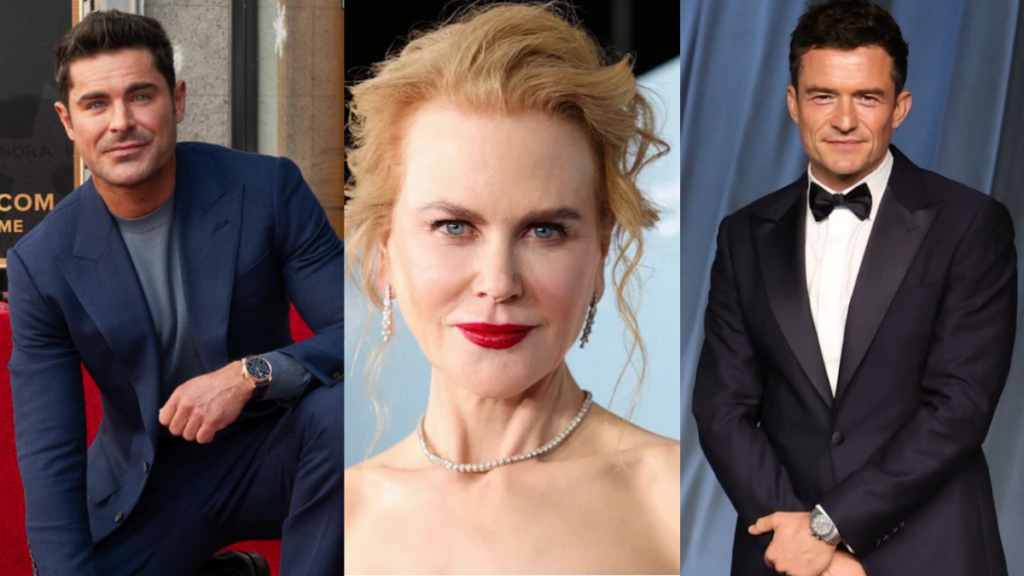
Photo Credit: Zac Efron / Instagram; Rich Fury; Orlando Bloom / Instagram

Nicole Kidman’s New Chapter After Divorce

Nicole Kidman has entered a new personal era since her divorce from Keith Urban. After 19 years together, the couple ended their marriage in late 2025. Friends say that the split has hit her privately, even as her professional life continues to thrive.

Sources describe this transition as deeply emotional and unexpected. Kidman once believed her marriage would last forever, the insider said. Now she navigates life with a mix of determination and vulnerability.

Despite her heartache, she remains focused on success and new opportunities. Kidman recently earned a co-chair spot at the prestigious Met Gala. This honor highlighted her influence in Hollywood fashion and culture.

Professionally, she shows no signs of slowing down. She continues acting and advocating for creative projects. Her work provides stability amid personal upheaval.

As she adjusts, fans wonder how her love life might evolve. Many celebrities take time after long relationships to redefine priorities. For Kidman, exploration appears both gradual and thoughtful.

Why Friends Think a Discreet Romance Could Help

In recent weeks, sources have said that friends encourage Kidman to seek light romance. These confidants believe an easy connection could restore her confidence.

Her close circle reportedly values freedom over high-drama relationships right now. They suggest that low-profile partnerships lower emotional pressure. A source said these choices help her feel attractive without scrutiny.

Friends emphasize that dating should feel joyful, not heavy. Kidman’s life has shifted dramatically, they argue, so gentleness matters. Many believe a lighter approach could remind her of joy outside work.

This sentiment reflects a broader trend among seasoned celebrities. After long-term relationships, they often prefer calmer romance. That makes sense given constant media attention.

Insiders have linked this philosophy to one name above others. That name has Hollywood history with Kidman and a reputation for discretion. Some believe timing could be right for thoughtful reconnection.

Zac Efron: Friend, Co-Star, and Confidential Companion

One name that sources mention with interest is Zac Efron. The pair have worked together onscreen in A Family Affair and The Paperboy.

Insiders stress that Kidman and Efron “clicked” naturally during filming. Their connection never grew romantic before due to her marriage. However, several people noticed their seamless rapport.

Since his split from model Vanessa Valladares in 2021, Efron has kept his love life quiet. He has dated publicly in the past but remains reserved about relationships. Friends describe him as calm and discreet.

Kidman reportedly values this discretion more than spotlight romance. She wants emotional safety without mass publicity. Efron’s longstanding career and composed public persona may appeal to her now.

Neither Kidman nor Efron has publicly confirmed any romantic plans. Yet multiple sources continue to circulate this conversation within Hollywood circles. Fans and press are paying close attention.

Rumors, Past Relationships, and Reality

Rumors often swirl around celebrity relationships, especially after big splits. After Kidman and Urban’s separation, the media speculated about multiple possibilities.

Some outlets once claimed that Orlando Bloom had an interest in Kidman. These sources said he might be eager to connect with her socially after his own breakup.

Bigger stories also surfaced linking Kidman’s on-screen chemistry with Efron to divorce tension. During a 2025 interview, Keith Urban ended a call abruptly when asked about Kidman and Efron’s scenes.

However, most of these reports remain unverified gossip. Both Urban and Kidman have focused on privacy and family stability. Their two daughters continue to play central roles in their lives.

For Efron, rumors have also followed him in the past. Stories linking him with Nina Dobrev sparked headlines in 2025 before she denied any romance.

Hollywood dating rumors rarely tell the full story. Many relationships grow slowly and privately, away from public scrutiny. That might be precisely what Kidman and her circle value most at this moment.

A Balanced View: What Fans Should Expect Next

At the heart of these discussions is Kidman’s well-being, not gossip. Friends emphasize that she deserves joy without pressure or spectacle.

Everything suggests she’ll take her time before making big romantic decisions. She appears committed to self-discovery and personal growth. This measured approach could lead to unexpected connections later.

Fans know Kidman as a thoughtful, private person who thrives creatively. Her career choices reflect depth and intentionality. Love, for her, may follow the same path.

Efron’s involvement remains speculative but intriguing. Their friendship and work history lend authenticity to such rumors. Yet neither party has confirmed any romance. This ambiguity keeps the narrative grounded in possibility, not certainty.

Ultimately, Kidman’s focus lies in balance, authenticity, and happiness. Whether with Efron or someone else, that priority guides her most. Fans will likely support her journey either way.

I Attended My Husband’s Immigration Ceremony — And Exposed the Affair He Thought Was Hidden

It Was Supposed to Be One of the Happiest Days of Our Lives

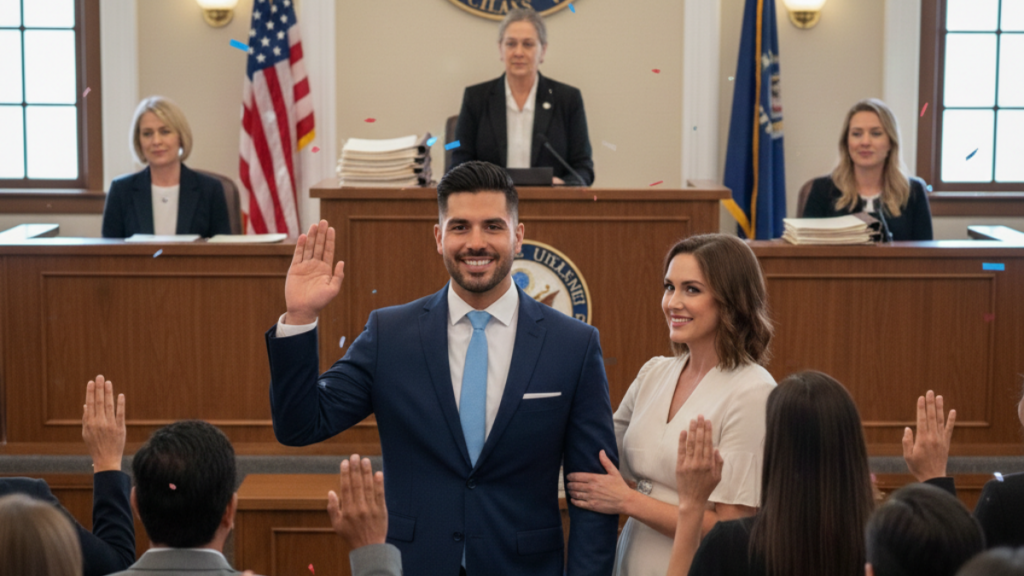
The immigration ceremony felt bigger than just paperwork or legal status.

It felt symbolic.

There were flags everywhere, small and large, carefully placed around the auditorium.

Families dressed up like it was a graduation.

My husband squeezed my hand before we walked in.

He looked proud.

He told me he couldn’t have done it without me.

And for a moment, I believed that.

The Room Was Full of Hope

Dozens of families filled the rows of chairs, holding phones ready to record the oath.

Some people were already crying quietly.

There was a softness in the room that felt almost sacred.

Like everyone there had fought for something meaningful.

The judge stood at the front, calm and steady.

Volunteers handed out tiny flags.

I looked at my husband sitting beside me, thinking this was the beginning of something stronger.

I just didn’t know it was also the end.

I Had Helped Him Every Step of the Way

I filled out forms with him late at night.

I double-checked dates and signatures.

I gathered documents, paid fees, and kept track of deadlines.

I answered questions when he got overwhelmed.

When he felt discouraged, I reminded him why this mattered.

Why this country meant opportunity.

He told everyone I was his rock.

That I was the reason he made it through.

That word started sounding different once I knew the truth.

The Truth Had Come Quietly

It didn’t arrive dramatically.

It came in fragments.

A message preview.

A name repeated too often.

Late nights explained too vaguely.

Small lies told too smoothly.

I didn’t confront him right away.

I waited.

Because timing matters when someone thinks they’re untouchable.

They Asked If a Family Member Wanted to Speak

After the oath was administered, the judge smiled warmly at the audience.

She said a few words about unity and commitment.

Then she asked if any family members wanted to say something in support of their loved ones.

A few hands went up.

My husband turned to me immediately.

His eyes were hopeful.

He whispered that I should speak.

That I deserved to.

And that was when I decided I would.

I Walked to the Front Slowly

My heels echoed softly against the polished floor as I approached the microphone.

People smiled at me.

Some assumed I would talk about love and sacrifice.

About resilience.

I looked back at my husband before saying anything.

He nodded encouragingly.

He had no idea what I was about to say.

I Started Exactly How They Expected

I thanked the judge.

I thanked the volunteers.

I talked about how proud I was of him for completing the process.

For persevering.

I said citizenship wasn’t just a legal milestone.

It was a commitment to honesty and integrity.

The room nodded along.

They leaned in.

Because they thought this was a celebration.

I Chose My Words Carefully

I said that becoming a citizen meant embracing the values of this country.

Trust.

Accountability.

Respect for the family that stands beside you.

I let the words settle before continuing.

I wanted them to feel intentional.

Then I looked directly at my husband again.

And I stopped smiling.

The Room Was Still When I Shifted

I said that loyalty isn’t selective.

That you don’t get to honor a country while betraying your marriage.

A few people shifted uncomfortably.

The judge’s expression changed slightly.

My husband straightened in his seat.

Confused.

And then I finished the sentence.

I Thanked Him for Teaching Me About Citizenship

I thanked him for showing me how easily someone can take an oath publicly while breaking promises privately.

The words were calm.

Clear.

Measured.

I said I hoped he would be more faithful to this country than he had been to me.

The silence was immediate.

Phones stopped recording.

Breaths caught.

And in that sacred, patriotic room, I exposed the affair he thought was hidden.

The Silence Felt Louder Than Applause

For a few seconds, no one reacted at all, like the room needed time to separate celebration from exposure.
The tiny flags in people’s hands suddenly looked misplaced.

The judge didn’t interrupt me.
She just watched carefully.

My husband’s face shifted from confusion to recognition.
That was the moment he understood I knew.

And that was the moment the ceremony stopped being about citizenship.

He Said My Name Like a Plea

Not angry.
Not defensive.

Just startled.

He stood halfway out of his chair, like he wasn’t sure whether to approach me or stay seated.
Every eye in the auditorium was on him now.

I realized something then.
Public oaths leave very little room to hide.

I Didn’t Raise My Voice

I didn’t need to escalate.
The setting did that for me.

I said I had supported him through every document, every interview, every delay.
That I had stood beside him through uncertainty.

I said loyalty isn’t symbolic.
It’s daily.

And if you can promise faithfulness to a nation in front of strangers, you should be able to promise it to your spouse in private.

The room was so quiet I could hear someone quietly crying two rows back.

The Judge Finally Stepped In

She approached gently, not to silence me, but to steady the room.
Her voice was calm.

She reminded everyone that today was about commitment.
That integrity mattered.

She didn’t ask me to leave.
She didn’t dismiss what I’d said.

She simply let the words settle where they landed.
And they landed hard.

He Tried to Speak for Himself

He said it wasn’t what it sounded like.
Which is always how it sounds.

He said it had been a mistake.
That it was over.

I asked him if it had ended before or after the final interview.
The question wasn’t loud.

But it was precise.

And precision makes denial difficult.

A Woman in the Third Row Stood Up

She wasn’t part of our family.

I didn’t know her.

But she said quietly that vows mean something.

That oaths matter.

A few others nodded.

Subtle but visible.

The patriotic backdrop made everything feel amplified.

Like betrayal didn’t just belong to me anymore.

It belonged to the idea of promise itself.

I Stepped Away From the Microphone

I didn’t need to say more.

The truth had already been delivered.

As I walked back down the aisle, people avoided eye contact out of respect, not discomfort.

That surprised me.

My husband reached for my hand as I passed.

I didn’t take it.

Because support is something you earn, not assume.

The Ceremony Continued Anyway

The judge resumed the program with quiet professionalism.

The oath had already been taken.

Applause eventually followed.

Polite, restrained.

My husband stood with the other new citizens, small flag in hand.

His smile was gone.

And for the first time, he looked uncertain about what he had just committed to.

The Photos Felt Different

Afterward, families gathered for pictures in front of the flag backdrop.

Smiles returned, though softer now.

He approached me carefully, asking if we could take one photo together.

Just one.

I agreed, but I didn’t step close.

There was space between us in every frame.

And sometimes distance tells the story better than expressions do.

The Drive Home Wasn’t Celebratory

No music played.

No congratulatory calls came in.

His phone stayed face down on the console.

Mine didn’t.

Messages from relatives asked if everything was okay.

If what they’d heard was true.

Because public moments travel quickly.

And this one had witnesses.

He Finally Asked Why I Chose That Day

He said I could have confronted him privately.

That I humiliated him.

I reminded him that he had already humiliated me privately.

Repeatedly.

I said I chose that day because it was the day he chose integrity in front of strangers.

And I wanted him to hear what integrity actually requires.

He didn’t argue after that.

I Realized Something Unexpected

The ceremony wasn’t ruined.

It was clarified.

Citizenship is about belonging to something bigger than yourself.

About accountability.

And as we pulled into the driveway, I understood that I didn’t need his apology to move forward.

I needed his actions.

Because oaths are easy when they’re ceremonial.

They’re harder when they’re personal.

That Night, He Held the Certificate Carefully

He placed it on the kitchen counter like it was fragile.

Important.

He asked me what I wanted to do next.

About us.

I looked at the certificate for a long moment before answering.

Because symbolism matters.

And I told him if he wanted to prove he understood commitment, he would have to start over from zero.

With honesty.

The room felt heavy with possibility.

Or finality.

And I still hadn’t decided which one it would be.

I Went to Pick Up My Husband From His Men’s Bible Study — And Met the Man He Was Sleeping With

The Group He Said Saved Him

For almost a year, my husband went to a men’s Bible study every Tuesday night.

He talked about it like it was sacred.

Like it was the one place where he could finally breathe.

He said it was a group for accountability.

For honesty.

For confession.

For men trying to be better husbands, better fathers, better Christians.

He told me the group helped him with his temper.

With his stress.

With the pressure he felt to provide and lead.

I believed him.

I was proud of him for going.

Every Tuesday, he would grab his worn leather Bible, kiss me on the forehead, and say the same thing.

“Pray for me tonight.”

And I did.

I prayed that God would protect his heart.

That He would strengthen our marriage.

That this group would do exactly what my husband said it was doing.

I had no reason not to believe him.

At least, not yet.

The Changes I Tried Not to Question

Looking back, the changes were subtle.

Nothing dramatic enough to scare me.

Nothing obvious enough to accuse him.

He started caring more about how he looked on Tuesdays.

Ironed shirts.

Cologne he hadn’t worn in years.

When I teased him about it, he laughed and said the group met at the church café sometimes and he didn’t want to look sloppy.

He started staying later than usual.

Bible study used to end at eight.

Then it became eight-thirty.

Then nine.

When I asked, he said the men stayed after to talk.

To pray.

To support each other.

That sounded… holy.

So I swallowed the tiny knot in my stomach and told myself I was being paranoid.

Still, something felt off.

Not wrong enough to name.

Just different enough to notice.

And I hated myself for noticing.

Why I Trusted Him Anyway

I trusted my husband because trust was part of our faith.

Because suspicion felt like sin.

Because I had been taught that a good wife supports her husband’s spiritual growth, even when it feels inconvenient or uncomfortable.

Because he had never given me a reason to think he would betray me.

And because the idea that someone could hide an affair behind scripture felt almost impossible.

Who would do that?

What kind of person would take something sacred and twist it into a cover?

I told myself that thinking that way was cruel.

Judgmental.

Ungodly.

So I kept trusting him.

Until the Tuesday night everything unraveled.

The Night I Got There Early

That night, my car wouldn’t start.

The battery died right as I was getting ready to drive to the grocery store.

My husband was already gone, headed to Bible study like always.

I called my sister for help, and by the time she jumped my car, the store was about to close.

That’s when I remembered something small.

My husband had mentioned earlier that his phone was dying faster than usual.

He joked that he’d probably forget to charge it again.

Without thinking too much, I decided I’d swing by the church after Bible study and give him my charger.

It felt helpful.

Supportive.

The kind of thing a good wife does.

Bible study was supposed to end at eight.

I got there around seven-forty-five.

Early enough to wait in the parking lot for a few minutes.

Early enough that I didn’t expect to see anyone leaving yet.

I parked near the side of the building, where the lights were dimmer and the cars were fewer.

And I waited.

Waiting in the Parking Lot

The church parking lot was quiet.

Too quiet.

No groups of men standing around talking.

No laughter drifting through the air.

No movement at all.

I checked the time.

7:47.

Still early, I told myself.

I leaned back in my seat and scrolled on my phone, half listening to the hum of the engine, half watching the church doors.

A few minutes passed.

Then a few more.

At 8:02, the side door opened.

Not the main entrance.
The side door.

And only two people walked out.

The Man I Didn’t Recognize

The first was my husband.

The second was a man I had never seen before.

They weren’t walking the way people do when they’ve just finished a group meeting.

They were close.

Too close.

Their shoulders brushed as they laughed.

My husband said something quietly, and the man leaned in to hear him better.

I felt my chest tighten, even before my brain caught up.

Then my husband reached out.

Not to shake his hand.

Not to pat his back.

He touched his arm.

Slowly.

Intimately.

The way you touch someone when you don’t want to stop touching them.

My hands started to shake.

I stayed in my car.

I told myself there had to be an explanation.

That this was just how some men were.

That I was reading too much into it.

But then the man said something that made my husband laugh the way he used to laugh with me.

And I knew.

When It Clicked

There is a moment when your body knows the truth before your mind is ready to accept it.

That moment hit me like ice water.

This wasn’t friendship.

This wasn’t accountability.

This wasn’t prayer.

This was intimacy.

The kind you don’t fake.

The kind you don’t misunderstand.

They reached the edge of the parking lot and stopped.

And then my husband did something I will never forget.

He leaned in and said something so softly I couldn’t hear it.

And the man smiled at him.

Not a polite smile.

A knowing one.

Getting Out of the Car

I don’t remember deciding to get out of the car.

I just remember my feet hitting the pavement.

The night air felt sharp against my skin as I walked toward them.

My heart was pounding so loudly I was sure they could hear it.

They didn’t notice me at first.

They were still talking.

Still close.

Still unaware that their secret had just collapsed.

I stopped a few feet away.

Close enough to hear them now.

Close enough to see my husband’s face clearly.

And that’s when I said it.

“Is This the Group You’ve Been Praying With?”

My voice sounded calm.

Too calm.

“Is this the men’s Bible study you’ve been going to every week?”

Both of them turned.

My husband’s face drained of color.

The other man looked confused, then curious, then nervous.

For a second, no one spoke.

The silence felt heavy.

Sacred, in the worst way.

My husband opened his mouth.

Closed it.

Then said my name like it was a warning.

The Man Beside Him

The other man finally spoke.

“I didn’t know you were coming tonight.”

That sentence landed harder than any confession ever could have.

I looked at him.

“You knew I existed,” I said.

He didn’t answer.

He didn’t have to.

My husband finally found his voice.

“This isn’t what it looks like,” he said.

And I almost laughed.

What I Realized Standing There

In that moment, standing in a church parking lot under flickering lights, I realized something that broke me all over again.

This wasn’t new.

This wasn’t a mistake.

This wasn’t something that just happened once.

This was practiced.

Rehearsed.

Protected.

This man knew exactly where to stand.

Exactly when to leave.

Exactly how to keep his distance when necessary.

And my husband knew exactly how to hide it.

Using God.

Using scripture.

Using my trust.

I took a step closer.

And that’s when I said the question that changed everything.

I looked directly at the man beside my husband and asked:

“Did he tell you he was married?”

The man’s face told me the answer before his mouth ever could.

And behind us, car doors started to open.

Other men were coming out now.

Other members of the “group.”

Other witnesses.

And I realized this wasn’t going to stay private.

Not anymore.

When the Parking Lot Filled With Witnesses

The silence didn’t last long.

The side door opened again.
Then again.

Men began spilling into the parking lot in small clusters, laughing, talking, pulling their keys out of their pockets like nothing in the world had changed.

Except everything had.

I could feel my husband’s panic before I even looked at him.
His body stiffened.
His eyes darted between me, the man beside him, and the growing audience.

This was no longer a private moment.

This was a reckoning.

The Men Who Knew More Than I Did

One of the men from the group nodded at my husband.

“See you next week,” he said casually.

Next week.

The words echoed in my head like an insult.

I turned toward the man and asked, calmly but loudly enough for others to hear, “How long has this group been meeting?”

He blinked, surprised by the question.

“A little over a year,” he said.

A year.

I looked back at my husband.

“So for a year,” I said, “you’ve been coming here, asking me to pray for you, asking me to trust you, and this is what you’ve been doing?”

My husband shook his head.

“No,” he said quickly. “It’s not like that.”

But the men around us were listening now.

And they weren’t looking at me like I was crazy.

They were looking at him.

When He Tried to Take Control

“This isn’t the place,” my husband said under his breath.

“We’ll talk at home.”

That line.

The one men always reach for when they’ve lost control of the narrative.

I took a slow breath.

“No,” I said. “You don’t get to choose the place anymore.”

The man beside him shifted uncomfortably.

“I think I should go,” he muttered.

My husband reached out, instinctively, and touched his wrist.

That single motion did more damage than anything I could have said.

Several of the men watching exchanged looks.

One of them frowned.

The Question That Broke the Cover Story

I turned back to the other man.

“I asked you something,” I said. “Did he tell you he was married?”

He hesitated.

Long enough.

“I knew he had… a situation,” he said carefully.

A situation.

I laughed then.

Not because it was funny.

Because it was unbearable.

“A situation?” I repeated. “I’m his wife. We’ve been married for twelve years.”

The man swallowed.

“He told me you were distant,” he said. “That you didn’t understand him.”

Of course he did.

When the Group Finally Understood

One of the men from the Bible study stepped forward.

“Is this true?” he asked my husband.

Not angrily.
Not dramatically.

Just… disappointed.

That hurt my husband more than anything else.

He opened his mouth, then closed it.

Silence answered the question for him.

The man shook his head slowly.

“We come here to be accountable,” he said. “Not to hide sin.”

Sin.

The word my husband had been hiding behind all along.

The Hypocrisy That Made Me Shake

I looked around at the church building.

The cross illuminated against the night sky.

The scripture banners hanging inside.

“You used this place,” I said quietly.

“You used God as a cover.”

My husband’s voice cracked.

“I was confused,” he said. “I didn’t plan for this to happen.”

“But you planned to lie,” I said.

“You planned to let me sit at home praying while you came here to meet him.”

The other man looked sick now.

“I didn’t know,” he said again.

But by then, it didn’t matter.

When the Truth Finally Came Out

One of the men asked the question everyone was thinking.

“So what is this?” he said. “An affair?”

My husband nodded.

Barely.

“Yes,” he said. “It is.”

The word felt heavy in the air.

An affair.

Not a mistake.

Not confusion.

Not weakness.

A choice.

The Moment I Stopped Protecting Him

For years, I had protected my husband’s image.

Smoothed over his moods.

Excused his distance.

Defended him when people asked questions.

Standing there in that parking lot, I realized how much of myself I had sacrificed to keep him comfortable.

And I was done.

“I won’t lie for you anymore,” I said.

“Not to them. Not to the church. Not to myself.”

He reached for me then.

I stepped back.

What I Said Before I Left

I turned toward the men watching us.

“I’m sorry you had to see this,” I said. 

“But you deserved the truth.”

Then I looked back at my husband.

“You don’t get to call this accountability,” I said.

“And you don’t get to call this faith.”

His eyes filled with tears.

But I didn’t feel sorry anymore.

The Drive Home Alone

I left him there.

In the parking lot.

Under the lights.

Surrounded by the people he had lied to.

The drive home felt surreal.

Like my body was moving but my mind hadn’t caught up yet.

I thought about all the Tuesdays I had spent alone.

All the prayers I had whispered for a man who wasn’t praying for me.

And I felt something unexpected.

Relief.

The Conversation That Didn’t Save Anything

He came home hours later.

Quiet.

Defeated.

He tried to explain.

How long it had been.

How he hadn’t planned for it.

How he still loved me.

But love doesn’t look like deception wrapped in scripture.

“I don’t know who I am,” he said.

“I do,” I said. “You’re someone who chose himself over honesty.”

He cried.

I didn’t.

What I Learned About Faith That Night

I learned that faith isn’t blind trust.

It’s discernment.

It’s truth.

It’s knowing when something holy has been twisted into something harmful.

I didn’t lose my faith that night.

I lost the version of it that taught me to stay silent.

The Aftermath

The church reached out.

So did a few men from the group.

Some apologized.
Some admitted they had suspected something.

That hurt too.

But it also confirmed what I already knew.

I wasn’t crazy.

I wasn’t imagining things.

I had been lied to.

My Ending, Not His

I don’t know what my husband is doing now.

And for the first time, I don’t need to.

I know what I’m doing.

I’m rebuilding.

Slowly.

Honestly.

With a faith that no longer asks me to disappear for someone else’s comfort.

And every Tuesday night now?

I do something different.

I choose myself.

I Hosted My Best Friend’s Baby Shower… Then Revealed My Husband Was the Dad

I Volunteered to Host the Baby Shower Myself

When my best friend told me she was pregnant, everyone reacted exactly how you’d expect.

There were gasps, hugs, and immediate congratulations.

I smiled.

I meant it.

A few days later, someone asked who was hosting the baby shower.

Before anyone else could answer, I said I would.

Not because I had to.

Because I wanted to.

I told myself it was the natural thing to do.

She was my best friend, after all.

What I didn’t say was that I already had a suspicion forming in the back of my mind.

And I wasn’t sure yet how far I was willing to let it go.

I Planned Every Detail Like Nothing Was Wrong

I handled everything myself.

The venue, the decorations, the guest list.

I chose soft colors and light florals.

Nothing too flashy, but nothing careless either.

People kept texting me to say how thoughtful it all was.

How lucky she was to have a friend like me.

I thanked them and kept planning.

Because staying busy meant I didn’t have to think.

Late at night, after my husband went to sleep, I sat alone with my laptop.

I reviewed invoices while replaying moments that suddenly felt different.

Small things.

Things I had brushed off before.

I told myself I was imagining it.

But the feeling didn’t go away.

I Noticed Things I Couldn’t Unsee

The closer the shower got, the harder it became to ignore the pattern.

My husband went quiet when her name came up.

My phone stopped lighting up when she came over.

Excuses started replacing explanations.

None of it was enough to accuse anyone of anything.

But together, it felt heavier.

I kept smiling.

I kept planning.

Because if I was wrong, I’d ruin everything.

And if I was right, I needed proof.

She Loved Every Second of the Attention

The day of the baby shower arrived looking perfect.

Bright sunlight, soft music, and a room full of smiling faces.

She walked in and froze.

Then she gasped and hugged me.

“You did all this for me?” she asked.

I told her I was happy to.

She floated through the room all afternoon.

Laughing, posing for photos, soaking it all in.

I watched her open gifts I had wrapped myself.

I watched her thank people for things I had organized.

At one point, she told me she didn’t know how she’d ever repay me.

I smiled and told her she didn’t owe me anything.

What I didn’t say was that I already knew how this was going to end.

Everyone Thought It Was Just a Baby Shower

To everyone else, it was a perfect afternoon.

The kind people talk about afterward.

There were tears during the advice cards.

Laughter during the games.

Someone told me I should do this professionally.

Another said it was clear how much I loved her.

I nodded and kept refilling drinks. 

I kept checking on guests.

No one noticed how calm I was.

No one noticed I hadn’t had a single sip of champagne.

Because I wasn’t celebrating.

I was waiting.

The Toast Was the Only Thing Left

Eventually, someone tapped a glass.

It was time for speeches.

People turned toward me automatically.

Of course they did.

I stood up with my glass in my hand.

My heart wasn’t racing.

I started talking about friendship.

About how long we’d known each other.

I talked about loyalty.

About trust.

The room leaned in.

They thought they knew what was coming.

But I was only getting started.

I Chose My Words Carefully

I didn’t rush the toast.

I let the room settle.

I thanked everyone for coming.

I talked about how meaningful the day was.

I said how special it felt to celebrate someone bringing new life into the world.

People nodded along.

I mentioned how long she and I had been friends.

How we’d been through everything together.

The room softened.

They thought this was going to be emotional.

I could feel eyes on me from every direction.

And I knew my husband was listening too.

I Looked Directly at Her When I Spoke

I didn’t read from notes.

I didn’t need to.

I talked about trust.

About believing in the people closest to you.

I said pregnancy changes everything.

It reveals who really shows up.

She smiled at me.

Wide and grateful.

I smiled back.

Just enough.

Because I wasn’t talking about the baby anymore.

I was talking about something else entirely.

My Husband Didn’t Realize What Was Happening Yet

He stood near the back of the room.

Relaxed.

He held a drink.

He looked proud.

He caught my eye and smiled.

Like this was a normal day.

Like this was a celebration he deserved to enjoy.

Like nothing bad was coming.

I wondered if he thought I didn’t know.

Or if he thought I’d never say anything.

Either way, he was wrong.

The Room Was Completely Silent

By the time I paused, no one was moving.

Not even the servers.

I could hear the hum of the lights overhead.

I could hear my own breathing.

I raised my glass a little higher.

My hand was steady.

I said one more thank you.

I said it slowly.

I thanked her for being such a big part of my life.

For being so close to my family.

She looked confused for just a second.

Then relieved again.

She still didn’t see it coming.

I Let the Moment Stretch

I didn’t rush the last line.

I let it hang.

People leaned forward.

Someone smiled in anticipation.

I could feel the weight of every second.

I wanted them to feel it too.

Then I finished the sentence.

Clearly.

Calmly.

And everything changed.

I Thanked Her for Sleeping With My Husband

I didn’t raise my voice.

I didn’t stumble.

I thanked her for sleeping with my husband while I planned the baby shower for their baby.

While I ordered the cake and wrapped the gifts.

While I smiled at her and called her my best friend.

While she smiled back.

The room froze.

Completely.

Someone dropped a fork.

Someone else gasped.

No one laughed.

No one spoke.

She Tried to Say Something

Her face drained of color.

Her mouth opened.

She looked at me like this was a joke.

Like I’d crossed some invisible line.

She said my name.

Quietly.

I didn’t answer.

I didn’t need to.

Because everyone else was looking at her now.

And they were starting to understand.

My Husband Finally Realized

He set his drink down too slowly.

His smile was gone.

He shook his head once.

Like denial could fix it.

He said my name next.

Louder.

I turned toward him.

Still holding my glass.

I told him he didn’t need to explain.

Not here.

Not today.

That was when the room erupted.

No One Knew What to Do

People started whispering.

Some stood up.

Someone asked if this was real.

Someone else told them to stop talking.

A friend grabbed my arm.

Another pulled her away from the table.

The cake sat untouched.

The gifts stayed unopened.

What had started as a celebration had become something else entirely.

And it wasn’t over yet.

I Wasn’t Finished

I set my glass down.

Carefully.

I told everyone I was sorry they had to find out this way.

But I wasn’t sorry for telling the truth.

I said I’d planned this shower with love.

And with clarity.

Because if I was going to be betrayed.

I was going to be honest.

Then I looked back at her.

One last time.

And asked her if she wanted to explain herself.