

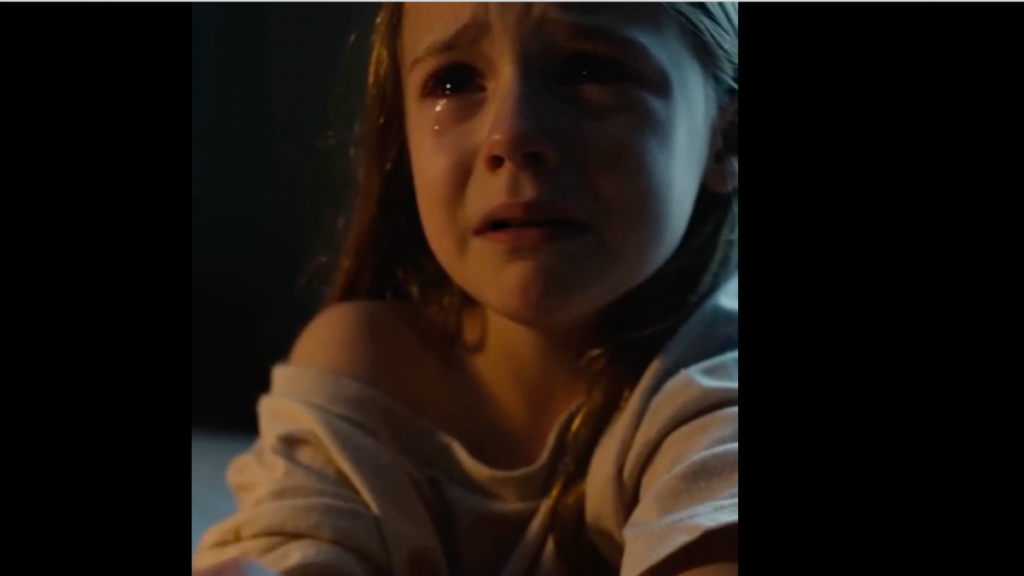
She didn’t kiss me hello.
That was the first thing that should have warned me.
Patricia had many faults. She was vain. She was manipulative. She had turned our divorce into a public performance of victimhood, somehow convincing half of Barcelona that I had abandoned her for my work when the truth was that she had emptied me slowly, year by year, until there was nothing left to save.
But she always performed.
Especially when someone might be watching.
She should have thrown her arms around my neck, called me “Adrián” in that soft, breathy voice she used when she wanted something, asked how Tokyo was, pretended we were still civilized people for the benefit of the neighbors or the housekeeper or whoever else might be near enough to hear.
Instead, she kept walking.
“Patricia,” I said, turning with my suitcase still in my hand. “Wait.”
She stopped at the door, but only halfway. One hand already on the handle. One foot already outside.
“What?”
“Where’s Valentina?”
“I told you. In her room.”
Her tone was too sharp.
“She didn’t come down.”
Patricia smiled then, but it was not a smile. It was a warning disguised as one.
“She’s seven, Adrián. She doesn’t have to sprint into your arms every time you come home from a business trip.”
That stung more than it should have, because a small, terrified part of me had already wondered the same thing.
Had I been away too much?
Had I missed too many mornings, too many dinners, too many school pickups while trying to keep the company alive and pay for the very house Patricia still treated like a throne?
But then I looked at her hand.
Her knuckles were white around the door handle.
“Is she sick?” I asked.
“No.”
“Did something happen?”
“No.”
“Then why are you leaving like this?”
Her face changed so quickly that anyone else might have missed it. The smile hardened. The eyes cooled. Patricia had always been beautiful, but when she got angry, her beauty became almost frightening, like marble carved into the shape of a woman.
“I don’t need permission to go to the salon,” she said. “You’re home now. Be a father.”
Then she opened the door.
The afternoon light spilled in, bright and cruel.
Before she stepped out, she glanced once toward the hallway that led to Valentina’s bedroom.
It lasted less than a second.
But I saw it.
And in that second, something deep in my stomach went cold.
“Patricia.”
She didn’t stop this time.
The front door closed behind her with a soft, final click.
For a moment, I stood in the foyer surrounded by all the evidence of our carefully curated life. The crystal chandelier. The framed black-and-white photographs from happier years. The vase of fresh white lilies Patricia ordered every Monday even after she stopped living here full time, because appearances mattered more to her than the truth.
My suitcase tipped slightly beside me.
I let go of the handle.
“Valentina?” I called.
Nothing.
I walked down the hallway.
Each step seemed louder than it should have been. My shoes against marble. Then wood. Then the thick runner that led to the children’s wing, though there was only one child in this house and she had always hated that we called it that.
Her bedroom door was closed.
Valentina never closed her door.
Not fully.
She liked it open at least a hand’s width, especially when she slept. She said she liked to hear the house breathing. She said closed doors made rooms feel “too alone.”
I raised my hand to knock, then stopped.
From behind the door came the faintest sound.
Not crying.
Breathing.
Small, uneven, careful breathing.
I knocked softly.
“Mi amor?”
The breathing stopped.
My heart clenched.
“It’s Daddy.”
There was a rustle inside the room, followed by a tiny thud, like something being knocked off a bed.
“Can I come in?”
No answer.
I tried the handle.
Unlocked.
I opened the door slowly.
The room was darker than it should have been. The curtains were drawn against the late afternoon sun, casting everything in a gray-blue shadow. Her stuffed animals were lined along the wall exactly the way she liked them. Her schoolbooks were stacked on the desk. A half-finished drawing lay on the floor beside a box of colored pencils.
And Valentina was standing beside her bed.
Not running to me.
Not smiling.
Standing.
Perfectly still.
She wore a long-sleeved sweatshirt even though it was June and the room was warm. The sleeves hung past her wrists. Her dark curls, usually wild and impossible to tame, were pulled back in a crooked ponytail. Her face looked smaller than I remembered, paler, with shadows under her eyes that had no place on a seven-year-old child.
“Daddy,” she whispered.
That one word broke me.
I crossed the room and dropped to my knees in front of her, careful not to grab her too fast, though every instinct in me wanted to pull her into my arms and never let go.
“Hey, my little star,” I said, forcing my voice to stay soft. “I missed you so much.”
She looked at me.
Then at the door.
Then back at me.
“Is Mommy gone?”
The question was so quiet I almost didn’t hear it.
“Yes,” I said slowly. “She just left.”
Valentina’s lips trembled.
“Gone gone?”
I felt the first true surge of fear.
“Yes. She left the house.”
Only then did my daughter move.
She stepped into me with a sound that was not quite a sob and not quite a breath. Her little arms wrapped around my neck, but loosely at first, like she was testing whether it was safe. Then all at once, she collapsed against me.
I held her.
I held her so carefully.
Her whole body was shaking.
“Valentina,” I whispered into her hair. “What happened?”
She shook her head against my shoulder.
“It’s okay,” I said. “You can tell me anything.”
Her fingers twisted into the back of my jacket.
“I can’t.”
Two words.
That was all.
I closed my eyes.
I had negotiated with investors in three languages. I had sat across tables from men who would have smiled while bankrupting my family. I had signed contracts worth more money than my grandparents had ever seen in their lives.
But nothing had ever frightened me like my child saying, “I can’t.”
“Why not?”
She pulled back just enough to look at me.
Her eyes were enormous.
“Because she said nobody would believe me.”
My mouth went dry.
The room seemed to tilt.
“Who said that?”
Valentina didn’t answer.
She only looked at the door again.
I turned my head toward the hallway. Empty. Silent.
“Mommy?” I asked, though I already knew.
Her chin quivered.
I took both her hands gently in mine.
That was when she flinched.
Not a dramatic flinch. Not the kind adults pretend not to notice.
It was small and automatic.
The moment my fingers touched her wrists, she jerked back as if I had burned her.
I froze.
“Did I hurt you?”
She shook her head too quickly.
“No.”
“Valentina.”
“No, Daddy. Please.”
Her voice cracked on the word please.
I looked down at her sleeves.
Long sleeves.
In June.
In a warm, dark bedroom.
I reached again, slower this time, stopping before I touched her.
“Sweetheart,” I said, and my voice no longer sounded like mine. “Can you show me your arms?”
She backed away.
“No.”
“I won’t be angry.”
“No.”
“I promise.”
Her breathing started to change. Too fast. Too shallow. Panic rising in her tiny chest while she looked around the room as if searching for someplace to disappear.
“I’m not supposed to,” she said.
The words came out like a rule she had memorized.
I swallowed hard.
“Says who?”
She pressed her lips together.
The answer was already in the room with us.
I sat back on my heels and forced myself not to move. Forced myself not to let the rage show on my face, because rage would only teach her that the truth was dangerous.
“Okay,” I said softly. “Okay. You don’t have to show me right now.”
Her shoulders lowered the smallest amount.
“But I need to ask you something,” I continued. “Are you hurt?”
She looked at the floor.
No answer.
“Valentina.”
A tear slipped down her cheek.
She nodded.
Something inside me cracked so cleanly I could almost hear it.
“Where?”
She hugged herself.
I looked at the sweatshirt again. At the way the fabric bunched around her arms. At the way she stood with one side of her body slightly turned away from me, protecting it.
My daughter had been hiding in her own bedroom like a prisoner.
And her mother had walked out the door in a hurry.
“I need to see,” I said, barely above a whisper.
Valentina began to cry.
Not loudly. That would have been easier.
She cried silently, tears falling down her face while her mouth stayed closed, like she had learned that even pain had to be quiet.
“I’m sorry,” she said.
I almost fell apart right there.
“No,” I said immediately. “No, no, no. You don’t apologize. You never apologize for being hurt.”
Her eyes searched mine, desperate and terrified.
“She said you’d send me away.”
I stared at her.
“What?”
“She said if I told, you’d think I was bad and you’d send me away.”
For a second, I could not breathe.
Then I stood, walked to the bedroom door, and closed it.
Not because I wanted her trapped.
Because I wanted her to know nobody else was coming in.
I turned back to my daughter and lowered myself onto the floor, sitting cross-legged in front of her like I used to when she was small and we built towers out of wooden blocks.
“Listen to me,” I said. “Look at me, Valentina.”
She did.
“You are my daughter. You are my heart. There is nothing you could say, nothing you could show me, nothing anyone could tell me that would make me send you away.”
Her face crumpled.
“Promise?”
“I swear on my life.”
She stood there for several long seconds.
Then, with trembling fingers, she reached for the hem of her sweatshirt.
I had thought I was prepared.
I was not.
She lifted the fabric only a few inches at first, then stopped, sobbing too hard to continue. I helped her only when she gave the smallest nod. The sweatshirt came up slowly.
And there, beneath the clothes her mother had chosen for her, beneath the silence and the fear and the lies, was the secret my seven-year-old daughter had been forced to hide.
I saw the marks.
I saw the bruises.
I saw enough to understand that what had happened in my house while I was away was not an accident.
And then Valentina whispered the sentence that turned my blood to ice.
“Mommy said next time, she won’t miss.”
For a moment, I genuinely thought I had misheard her.
The room seemed to narrow until there was nothing left except my daughter’s face and the roaring sound of blood in my ears.
“…What did you say?”
Valentina’s eyes immediately darted toward the door again.
The fear in that glance was worse than the bruises.
Children could be frightened of punishment. They could be frightened of getting in trouble. They could be frightened of disappointing a parent.
This was different.
This was the fear of someone who believed a threat.
“Mommy was angry,” she whispered.
I forced myself to breathe.
One breath.
Then another.
I had spent years building a life based on control. Control of my emotions. Control of negotiations. Control of crises.
But at that moment, all I wanted to do was get in my car, find Patricia, and drag the truth out of her with my bare hands.
Instead, I focused on Valentina.
“What happened?”
Her little fingers twisted together.
“I spilled juice.”
I stared at her.
“Juice?”
She nodded.
“It got on the sofa.”
The sofa.
A cream-colored designer sofa Patricia had purchased three years ago after seeing it in an Italian architecture magazine.
The sofa she treated better than most people.
The sofa she once made a housekeeper cry over because a decorative pillow had been placed at the wrong angle.
“Valentina,” I said carefully, “did Mommy hit you because you spilled juice?”
She started crying again.
I immediately regretted the question.
Children didn’t cry like that when they were exaggerating.
Children didn’t shake like that when they were inventing stories.
“She said I ruin everything.”
The words shattered me.
Because they sounded rehearsed.
Like something she had heard many times.
“She said she can’t have one nice thing because of me.”
I closed my eyes.
My stomach churned.
“How long?”
She frowned.
“How long what?”
“How long has Mommy been saying things like that?”
Her face changed.
And in that instant, I knew the answer wasn’t days.
Or weeks.
The answer was long enough that she didn’t even understand why I was asking.
“Sometimes,” she said quietly.
The room felt colder.
I looked again at the bruises on her side.
There were several.
Different colors.
Some fresh.
Some older.
Not one incident.
Not one bad day.
A pattern.
God help me, a pattern.
I felt sick.
“Sweetheart,” I said carefully. “Did Mommy do this?”
Valentina didn’t answer.
She didn’t need to.
The tears told me everything.
I pulled my phone from my pocket.
Immediately she panicked.
“No!”
I froze.
“It’s okay.”
“No, Daddy, please!”
“Valentina—”
“She’ll know!”
The terror in her voice was so intense that she nearly hyperventilated.
I put the phone down immediately.
“Okay. Okay. I’m not calling her.”
She was shaking uncontrollably now.
I moved slowly, keeping my voice calm.
“You’re safe.”
“No.”
“Yes.”
“No.”
The word came out automatically.
Instinctively.
Like she no longer believed safety existed.
I swallowed hard.
“Valentina.”
Her eyes met mine.
“Mommy isn’t here.”
“She comes back.”
I had no response to that.
Because she was right.
As far as Valentina knew, Patricia always came back.
And if her mother had been hurting her for months—or longer—then why would today be any different?
I realized something then.
Something horrifying.
My daughter wasn’t relieved because I was home.
She was relieved because she thought I might be able to stop it.
The realization nearly broke me.
I stood and walked to the dresser.
Inside the top drawer was a small notebook decorated with stars.
Valentina’s journal.
I remembered buying it for her at a bookstore near Passeig de Gràcia.
At the time she’d filled it with drawings of unicorns and cats.
“Can I see this?”
She hesitated.
Then nodded.
I opened it.
The first few pages were exactly what I expected.
Crayon drawings.
School friends.
A crooked picture of our dog that had died two years earlier.
Then I reached a page that made my heart stop.
A stick figure.
A little girl.
A large woman.
The woman was colored entirely in black marker.
The girl was crying.
Above them, written in a child’s uneven handwriting, were four words.
MOMMY IS MAD AGAIN.
I turned the page.
Another drawing.
Another crying girl.
This time the woman was holding something.
A belt.
I felt my hands begin to shake.
Another page.
The little girl hiding beneath a bed.
Another page.
A woman standing outside a locked door.
Another page.
The same words repeated over and over.
DON’T TELL DADDY.
DON’T TELL DADDY.
DON’T TELL DADDY.
I stopped breathing.
Valentina was watching me.
Waiting.
Judging my reaction.
Trying to determine whether she had made a terrible mistake.
I set the notebook down carefully.
Then I looked at her.
“Has anyone else seen these?”
She shook her head.
“Did Mommy know you drew them?”
“No.”
“Where do you keep this?”
She pointed beneath a loose board under her bookshelf.
A hiding place.
My seven-year-old had created a hiding place.
I wanted to scream.
Instead I sat beside her.
“Valentina.”
She stared at the floor.
“Have you ever told anyone?”
“No.”
“A teacher?”
“No.”
“A friend?”
“No.”
“Grandma?”
“No.”
“Why?”
She looked confused.
The question genuinely puzzled her.
Because in her mind, the answer was obvious.
“Because Mommy said.”
I pressed my hands against my face.
Every abuser relied on secrecy.
Every one.
But hearing that obedience come from a child was unbearable.
“What exactly did she tell you?”
Valentina swallowed.
“She said families have secrets.”
My chest tightened.
“She said people wouldn’t understand.”
I listened.
“She said if I told anybody, they’d take me away.”
The manipulation was meticulous.
Deliberate.
Calculated.
Not an accident.
Not losing her temper.
Not one moment of bad judgment.
A system.
A prison built inside a child’s mind.
“Did she ever hurt you somewhere else?”
Valentina hesitated.
Then slowly nodded.
I felt physically ill.
“How?”
Her voice dropped so low I could barely hear it.
“She grabs.”
“Where?”
“My arm.”
“Anywhere else?”
She didn’t answer.
Instead she looked away.
That silence was answer enough.
I stood so quickly my knees hit the edge of the desk.
The notebook slid onto the floor.
I couldn’t stay still anymore.
I paced across the room.
One end.
Then the other.
Trying desperately to think.
Police.
Hospital.
Lawyer.
Photographs.
Documentation.
Evidence.
The rational part of my brain was screaming instructions.
The emotional part wanted to burn the world down.
Then something occurred to me.
Something that made me stop cold.
“Valentina.”
She looked up.
“When did this happen?”
“The bruises?”
“Yes.”
“Yesterday.”
My heart dropped.
Yesterday.
Patricia had done this yesterday.
Then smiled at me twenty minutes ago.
Then gone to the salon.
Then acted annoyed that I was asking questions.
I walked to the window and pulled the curtain aside.
Patricia’s car was gone.
The driveway sat empty.
The sun was beginning to set beyond the neighboring rooftops.
I was already reaching for my phone again when I noticed something outside.
A silver SUV.
Parked across the street.
Engine running.
I frowned.
The vehicle looked familiar.
Very familiar.
Too familiar.
Then I recognized it.
Patricia’s friend Sonia drove a silver SUV exactly like that.
The same woman who constantly covered for Patricia.
The same woman who had testified during parts of our custody battle.
The same woman who swore Patricia was a devoted mother.
The SUV had been sitting there long enough for condensation to form on the windshield.
Watching the house.
Watching my house.
A chill crawled down my spine.
I looked closer.
The driver’s seat was occupied.
Someone was inside.
And the second I stepped nearer to the glass, the SUV pulled away.
Not quickly.
Not dramatically.
Just smoothly.
As if whoever had been watching had seen enough.
I turned back toward Valentina.
A terrible possibility was beginning to form.
How many people knew?
How many people had seen signs and looked away?
How many adults had helped Patricia maintain her perfect image while my daughter suffered behind closed doors?
Then Valentina said something that made every hair on my arms stand up.
“Daddy?”
I looked at her.
“What’s wrong?”
She seemed uncertain.
Like she wasn’t sure whether she should tell me.
“Mommy wasn’t alone yesterday.”
My pulse exploded.
“What?”
“There was a man.”
The room went silent.
“What man?”
She shrugged nervously.
“I don’t know.”
“What did he look like?”
“He had a beard.”
A beard.
Not exactly helpful in Barcelona.
But then she added one more sentence.
One sentence that changed everything.
“He told Mommy she had to be more careful because the last little girl almost ruined everything.”
The words hung in the air.
For several seconds, I simply stared at my daughter.
I was certain I had misunderstood.
“…What did he say?”
Valentina shifted nervously on the edge of the bed.
“The man.”
“Yes.”
“He said she had to be careful.”
“Careful about what?”
She frowned, trying to remember.
Children often remembered details adults overlooked. Not because they understood them, but because they didn’t know which parts were important.
“He said…” She paused. “He said the last little girl almost ruined everything.”
The room felt suddenly too small.
Too warm.
Too quiet.
“What little girl?”
“I don’t know.”
“Did he say a name?”
She shook her head.
“No.”
“Have you seen him before?”
Another pause.
Then a slow nod.
My stomach dropped.
“How many times?”
“I don’t know.”
“More than once?”
“Yes.”
I sat down heavily in the desk chair.
A strange pressure had begun building behind my eyes.
This story was changing shape.
Five minutes earlier, I thought I had come home to discover a terrible secret involving my ex-wife and my daughter.
Now there was an unknown man.
An unknown child.
And a sentence that sounded less like a family problem and more like a threat.
“What was Mommy doing when he said that?”
Valentina stared at the floor.
“She was crying.”
That surprised me.
Patricia crying?
Patricia rarely cried.
Not real tears.
She weaponized tears. Performed tears.
But genuine fear?
That was different.
“What happened after he said it?”
“He grabbed her arm.”
I felt another jolt.
“Like this?”
I gently held my own forearm.
Valentina nodded.
“Was he angry?”
“Yes.”
“Did he yell?”
“Yes.”
“What about?”
She squeezed her eyes shut.
Trying to remember.
“He said she was stupid.”
My jaw tightened.
“And?”
“He said she was getting sloppy.”
A chill ran through me.
Not emotional language.
Operational language.
The language of someone worried about being exposed.
I suddenly became very aware of how little I actually knew.
Patricia and I had been divorced for nearly two years.
I knew where she lived.
I knew where she shopped.
I knew what restaurants she liked posting on social media.
But I had stopped knowing her life.
Who she spent time with.
Who she trusted.
Who she feared.
And apparently, who she brought around my daughter.
My daughter.
The realization ignited fresh rage.
I stood again and paced.
The lawyer in me—because years of corporate negotiations had trained me to think strategically—was beginning to overpower the father.
Good.
I needed both.
The father wanted revenge.
The strategist wanted evidence.
Evidence won.
Every time.
“Valentina.”
She looked up.
“I need to ask you some difficult questions.”
She nodded hesitantly.
“Has Mommy ever taken you somewhere and told you not to tell me?”
The answer came immediately.
“Yes.”
I stopped pacing.
“Where?”
She shrugged.
“I don’t know.”
“Can you describe it?”
She thought for a moment.
“There were bunk beds.”
The room seemed to tilt.
“Bunk beds?”
“Yes.”
“How many?”
“A lot.”
My pulse quickened.
“Were there other children there?”
She nodded.
“How many?”
“I don’t know.”
“Ten?”
“Maybe.”
Twenty?”
“Maybe.”
My mouth went dry.
“Did they live there?”
“I think so.”
The pressure behind my eyes became unbearable.
“What was this place?”
She looked confused.
“I don’t know.”
“Did Mommy work there?”
“No.”
“Did the man with the beard go there?”
Her face immediately changed.
“Yes.”
My heart slammed against my ribs.
“How often?”
“I don’t know.”
“What happened there?”
Valentina’s expression became distant.
Not scared.
Worse.
Detached.
The way people look when remembering something they don’t want to revisit.
“We brought things.”
“What things?”
“Toys.”
“Toys?”
“And clothes.”
I stared at her.
“Why?”
She shrugged.
“Mommy said we were helping.”
That sounded innocent.
Normal.
Almost reassuring.
Then I noticed something.
Valentina wasn’t looking at me anymore.
She was staring at the corner of the room.
Children often did that when they were trying not to think about something.
“Valentina.”
Silence.
“Sweetheart.”
She swallowed.
“Some kids cried.”
The room went still.
“Why?”
“I don’t know.”
“Did anyone hurt them?”
“I don’t know.”
“Did they look hurt?”
A long pause.
Then a tiny nod.
I closed my eyes.
The image forming in my mind was becoming darker by the minute.
And I still had no proof.
Just fragments.
Pieces.
A frightened child describing things she didn’t understand.
I needed facts.
Real facts.
Then I remembered something.
The house security system.
I opened my eyes.
Of course.
The cameras.
The property had cameras covering every entrance.
Patricia hated them.
Complained about them constantly.
But I had insisted after several burglaries in the neighborhood years ago.
If Patricia had brought someone to the house yesterday…
The footage might still exist.
My heart raced.
I pulled out my phone.
This time I ignored Valentina’s nervous glance.
“I’m checking the cameras,” I said gently.
“Okay.”
The app loaded.
Front gate.
Driveway.
Back garden.
Side entrance.
I selected yesterday’s recordings.
The wheel spun.
Then loaded.
12:14 PM.
Patricia’s car arriving.
Nothing unusual.
I fast-forwarded.
2:36 PM.
The front gate opened.
A black Mercedes entered.
Not silver.
Not Sonia.
Someone else.
The vehicle stopped near the front entrance.
A man stepped out.
Even through the grainy footage, I immediately recognized the beard.
Valentina had described him perfectly.
Tall.
Broad shoulders.
Dark sunglasses.
Maybe fifty years old.
He moved with confidence.
The confidence of someone who believed he belonged there.
I watched him enter the house.
Then I fast-forwarded again.
Three hours later, the front door burst open.
My stomach clenched.
Patricia emerged.
Crying.
Actually crying.
The man followed her.
He grabbed her arm.
Exactly as Valentina had described.
Even through the camera footage, I could see the violence in the movement.
Not enough to leave evidence.
Enough to establish dominance.
Patricia jerked away.
The man stepped closer.
They argued.
No audio.
Just body language.
Threatening.
Aggressive.
Then the man pointed toward the house.
Toward where my daughter would have been.
Patricia visibly recoiled.
A few seconds later, he left.
I replayed the footage twice.
Three times.
Four times.
Every viewing raised more questions.
Until finally I zoomed in.
And saw something that made my blood freeze.
The man’s face.
Not completely.
Just enough.
Enough to recognize him.
I knew exactly who he was.
Because six months earlier I had shaken his hand.
At a charity gala.
A children’s charity gala.
His name was Javier Solano.
One of Barcelona’s most celebrated philanthropists.
A man whose foundation supposedly helped vulnerable children across Spain.
A man featured in magazines.
On television.
At fundraisers.
A man politicians lined up to be photographed with.
My pulse thundered.
No.
No.
That couldn’t be right.
I enlarged the image again.
Same face.
Same beard.
Same man.
The room began spinning.
“Daddy?”
Valentina’s voice sounded far away.
I stared at the screen.
The last little girl almost ruined everything.
The words echoed through my head.
A children’s foundation.
A mysterious building full of kids.
A wealthy philanthropist.
An angry secret meeting.
And my ex-wife somehow tangled in the middle of it.
Then my phone rang.
The sound nearly made me jump.
An unknown number.
I hesitated.
Then answered.
“Hello?”
For several seconds, there was only silence.
Then a woman’s voice.
Soft.
Shaking.
Terrified.
“Is this Adrián Moreno?”
“Yes.”
Another pause.
“You don’t know me.”
“Who is this?”
The woman inhaled sharply.
As if fighting tears.
“I used to work for Javier Solano.”
Every muscle in my body tightened.
“What do you want?”
“You need to listen very carefully.”
Her voice was breaking now.
Panicked.
Rushed.
Like someone running out of time.
“Your daughter isn’t the first child.”
The blood drained from my face.
“What?”
“I saw things.”
“What things?”
“Things they told me to forget.”
My grip tightened on the phone.
“Who is they?”
The woman didn’t answer.
Instead she asked a question.
A question that made my heart stop.
“Have you taken your daughter to a doctor yet?”
“No.”
“Then stop talking and go.”
Fear exploded through me.
“Why?”
The woman began crying.
Actual sobbing.
The sound was horrific.
Because it carried the weight of someone who already knew the answer.
“Because if your daughter has the same symptoms as the others,” she whispered, “you have less than forty-eight hours.”
The call ended.
Just like that.
No explanation.
No goodbye.
No chance for me to ask another question.
One second I was listening to a terrified stranger breathe into the phone, and the next I was staring at my own reflection in a black screen.
Less than forty-eight hours.
My heart was hammering so hard I could feel it in my throat.
“Daddy?”
Valentina’s voice snapped me back.
I looked at her.
She was sitting on the edge of the bed, clutching a stuffed rabbit to her chest.
The same rabbit she’d had since she was three.
The same rabbit she’d carried through fevers, thunderstorms, and the night our divorce papers were finalized.
She looked impossibly small.
And suddenly every second felt dangerous.
I moved.
Fast.
“Get your shoes.”
Her eyes widened.
“Why?”
“We need to go somewhere.”
“Where?”
“The hospital.”
The word frightened her immediately.
“No.”
I knelt in front of her.
“Listen to me. You’re not in trouble.”
“I don’t want shots.”
“You might not need any.”
“Mommy says hospitals are dangerous.”
Of course she did.
Because hospitals ask questions.
Hospitals document injuries.
Hospitals create records.
Records become evidence.
Evidence destroys lies.
I forced a smile.
“Mommy is wrong.”
Valentina studied my face.
Then, for the first time since I’d come home, she seemed to believe me.
A little.
Only a little.
But enough.
“Okay.”
Ten minutes later we were in my car.
I had thrown together a bag with clothes, her journal, my laptop, and copies of the security footage uploaded to cloud storage.
The moment I backed out of the driveway, another realization hit me.
I didn’t trust anyone.
Not Patricia.
Not her friends.
Not whoever Javier Solano really was.
And definitely not the police—not yet.
Not until I understood what was happening.
People with Javier’s money had lawyers.
Connections.
Influence.
If I made one wrong move, evidence could disappear.
Witnesses could vanish.
Stories could change.
I needed facts first.
The pediatric emergency department at Hospital Sant Joan de Déu was crowded despite the hour.
Children with broken arms.
Children with fevers.
Exhausted parents.
The normal chaos of a hospital.
And somehow that normalcy made me feel safer.
Doctors dealt with facts.
Facts couldn’t be manipulated forever.
A nurse brought us into an examination room.
Within minutes a pediatrician named Dr. Ruiz arrived.
She was probably in her forties, calm-eyed and direct.
The kind of person who immediately earned trust.
She smiled at Valentina.
Then looked at me.
“What seems to be the problem?”
I opened my mouth.
Nothing came out.
Because suddenly saying it aloud made it real.
“My daughter has bruises.”
The doctor’s expression changed instantly.
Professional.
Alert.
Serious.
“Can you tell me how she got them?”
I looked at Valentina.
Then back at the doctor.
“I think her mother caused them.”
The room went silent.
Dr. Ruiz nodded slowly.
“Okay.”
No shock.
No disbelief.
No judgment.
Just okay.
“We’ll take very good care of her.”
For the next hour, they examined Valentina carefully.
Gently.
Patiently.
The doctor never pushed.
Never pressured.
And slowly, piece by piece, my daughter began talking.
Not everything.
But enough.
Enough for Dr. Ruiz to stop writing several times and simply stare at the page.
Enough for a social worker to be called.
Enough for concern to spread across every face that entered the room.
Then something unexpected happened.
Dr. Ruiz returned holding a file.
She looked troubled.
Not concerned.
Troubled.
“Mr. Moreno.”
My stomach tightened.
“Yes?”
“Has your daughter been sick recently?”
“No.”
“Fatigue?”
“No.”
“Dizziness?”
“Not that I’ve noticed.”
“Headaches?”
I frowned.
“Maybe.”
The doctor looked at Valentina.
“Sweetheart, do you get headaches?”
A tiny nod.
“How often?”
“Lots.”
The doctor’s expression darkened.
“How long?”
“Since Christmas.”
Christmas.
Six months.
My chest tightened.
“Why are you asking?” I said.
Dr. Ruiz sat down.
Then she said something that made my blood run cold.
“There are bruises that concern me.”
I stared at her.
“Because of abuse?”
“No.”
The answer shocked me.
“Then what?”
She took a breath.
“Some bruising patterns can indicate underlying medical conditions.”
The room seemed to tilt.
“What kind of conditions?”
She chose her words carefully.
Too carefully.
“Blood disorders.”
My heart dropped.
“No.”
“We don’t know yet.”
“No.”
“We need tests.”
I felt sick.
The anonymous caller’s words echoed inside my head.
Have you taken your daughter to a doctor yet?
Less than forty-eight hours.
Not abuse.
Not just abuse.
Something else.
Something worse.
The tests began immediately.
Blood work.
Additional examinations.
Questions.
More questions.
Hours passed.
Night settled over Barcelona.
Valentina eventually fell asleep in a hospital bed.
I sat beside her.
Watching.
Waiting.
Terrified.
At 11:43 PM, Dr. Ruiz returned.
She wasn’t alone.
Another doctor entered with her.
Older.
Hematology specialist.
My stomach sank.
Doctors brought specialists when things were bad.
“Mr. Moreno,” Dr. Ruiz said quietly.
“Tell me.”
The specialist sat down.
“Your daughter’s blood counts are abnormal.”
I couldn’t breathe.
“How abnormal?”
He opened a folder.
Then closed it again.
Like he couldn’t decide how to say what came next.
“We need further testing before we make a diagnosis.”
“Diagnosis of what?”
Silence.
Then:
“Leukemia is one possibility.”
The world stopped.
Everything.
The room.
The sounds.
My thoughts.
Everything.
“No.”
My voice barely existed.
“No.”
“We don’t know yet.”
“No.”
“It may be something else.”
“No.”
I looked at my sleeping daughter.
At her curls against the pillow.
At the stuffed rabbit under her arm.
At her tiny hand resting on the blanket.
And for the first time in years, I felt completely powerless.
Then the specialist said something strange.
Something that cut through the panic.
“There’s another reason we’re concerned.”
I looked up.
“What?”
He exchanged a glance with Dr. Ruiz.
Then answered.
“Some of the results don’t fit.”
I stared at him.
“What does that mean?”
“Leukemia explains some findings.”
“Some?”
“Yes.”
“What about the others?”
The doctor hesitated.
A bad sign.
A very bad sign.
Finally he spoke.
“We found elevated levels of a substance in her blood.”
“Which substance?”
Neither doctor answered immediately.
My pulse accelerated.
“What substance?”
The specialist opened the folder again.
“Arsenic.”
The word didn’t register.
Not at first.
It felt disconnected.
Meaningless.
Then my brain caught up.
Arsenic.
Poison.
Poison.
Poison.
I stood so quickly the chair crashed backward.
“No.”
Neither doctor moved.
Neither doctor spoke.
Because they didn’t need to.
My daughter’s bruises.
The headaches.
The fatigue.
The caller.
The children.
The foundation.
The last little girl almost ruined everything.
All the puzzle pieces suddenly snapped together.
And I hated the picture they formed.
“Are you saying someone poisoned my daughter?”
The silence answered before either doctor could.
Then Dr. Ruiz nodded.
Very slowly.
“Yes.”
The room began spinning.
“Can you treat it?”
“Yes.”
The word nearly made me collapse with relief.
“But?”
She looked away.
Doctors always had a but.
“Tell me.”
“We caught it relatively early.”
“Relatively?”
“Yes.”
My stomach twisted.
“Tell me the truth.”
The doctor inhaled.
Then delivered the sentence that changed everything.
“If she’d arrived two or three days later, she likely wouldn’t have survived.”
I couldn’t speak.
Couldn’t move.
Couldn’t think.
Because suddenly I understood why that woman had called.
Why she had been crying.
Why she’d sounded so desperate.
She wasn’t warning me about abuse.
She was warning me about murder.
And whoever had poisoned my daughter believed they were still getting away with it.
Then my phone buzzed.
A text message.
Unknown number.
One photograph.
Nothing else.
My blood froze.
The picture showed a little girl.
Maybe eight years old.
Dark hair.
Brown eyes.
Smiling.
A school portrait.
Across the image, someone had typed four words.
SHE WAS THE LAST ONE.
Beneath the photograph was a second message.
Three words.
YOU’RE NEXT.
For a moment, I couldn’t move.
The photograph filled the screen.
The smiling girl looked ordinary.
That’s what made it horrifying.
She wasn’t a missing-person poster.
She wasn’t a news headline.
She wasn’t some dramatic image pulled from a crime documentary.
She looked like a child who should have been arguing about homework and cartoons and what flavor ice cream to get after school.
Instead, someone had sent me her picture as a warning.
Or a confession.
Or both.
Dr. Ruiz was still talking.
I barely heard her.
“…Mr. Moreno?”
I looked up.
The doctors were watching me.
Concerned.
“What is it?”
Without speaking, I handed over the phone.
Dr. Ruiz studied the image.
Then the message.
Her face went white.
The hematologist immediately pulled out his own phone.
“I’m calling hospital security.”
“No,” I said automatically.
Both doctors looked at me.
“No?”
I ran a hand through my hair.
My thoughts were racing.
If this was connected to Javier Solano…
If wealthy people were involved…
If children had already died…
Then this was bigger than a custody dispute.
Bigger than abuse.
Potentially much bigger than the police officer who happened to answer a phone call tonight.
Then I looked at my sleeping daughter.
And realized I was thinking like a businessman again.
Not a father.
A father protected his child first.
Everything else came later.
“Call them.”
The doctor nodded.
Within minutes, security arrived.
Then local police.
Then more questions.
So many questions.
I showed them the bruises.
The journal.
The security footage.
The text messages.
The anonymous call.
The officer taking notes eventually stopped writing.
He looked exhausted.
Overwhelmed.
“Mr. Moreno.”
“Yes.”
“Do you understand how serious these allegations are?”
“Yes.”
“Do you understand who Javier Solano is?”
“Yes.”
The officer exchanged a look with his partner.
I knew that look.
Everybody in Barcelona knew Javier.
Everybody.
He funded children’s hospitals.
Built schools.
Hosted charity galas.
Appeared in magazines.
If I accused him publicly tomorrow, half the city would assume I was lying.
Maybe more.
Then a detective arrived.
Not a patrol officer.
A detective.
Middle-aged.
Sharp eyes.
No nonsense.
She introduced herself as Inspector Elena Navarro.
The moment she entered the room, everything changed.
She listened.
Really listened.
She didn’t interrupt.
Didn’t dismiss.
Didn’t rush.
She spent nearly forty minutes reviewing everything.
Then she asked one question.
“May I see the photo again?”
I handed over my phone.
She stared at the smiling girl.
Longer than anyone else had.
Far longer.
Something in her face changed.
“Inspector?”
She looked up slowly.
“Where did you get this image?”
“The text message.”
“No.”
Her voice was different now.
Tighter.
Controlled.
“The photograph itself.”
“I don’t know.”
The inspector inhaled sharply.
Then sat down.
For the first time all evening, she looked shaken.
“What’s wrong?”
Silence.
Then:
“I know who she is.”
Every muscle in my body tightened.
“What?”
The inspector looked at the picture again.
“She disappeared three years ago.”
The room went silent.
“She what?”
“Her name was Clara Vidal.”
I stared at her.
“She was reported missing at age eight.”
The words felt unreal.
“Missing?”
“Yes.”
“Was she ever found?”
The inspector didn’t answer immediately.
And that answer was enough.
“No.”
The detective slowly shook her head.
“No.”
A terrible feeling spread through my chest.
The smiling girl.
The message.
She was the last one.
Not a threat.
A statement.
Whoever sent that text knew exactly what happened to her.
Then Inspector Navarro said something even worse.
“She wasn’t the only one.”
The room seemed to shrink.
“What?”
The inspector leaned back.
“There have been four disappearances.”
My blood turned cold.
“Four?”
She nodded.
“All girls.”
Nobody spoke.
“All between seven and ten years old.”
The hematologist cursed quietly under his breath.
The inspector continued.
“They occurred over a five-year period.”
“Were they connected?”
“We could never prove it.”
“Why not?”
She laughed.
Not because anything was funny.
Because the alternative was rage.
“Because every lead disappeared.”
I immediately thought of money.
Influence.
Connections.
People protecting powerful people.
Then the inspector surprised me.
“Until tonight.”
My pulse quickened.
“What changed?”
She looked directly at me.
“You.”
I frowned.
“What does that mean?”
“Your daughter survived.”
The words landed like a bomb.
Because suddenly I understood.
Every other child had disappeared.
No witness.
No testimony.
No evidence.
No living victim.
But Valentina was alive.
Alive enough to talk.
Alive enough to identify people.
Alive enough to expose whatever this really was.
Then another thought hit me.
A horrifying thought.
“Does Patricia know?”
The inspector’s expression darkened.
“Know what?”
“That Valentina is alive?”
Nobody answered.
Because none of us knew.
Not yet.
But we all understood the implication.
If Patricia believed the poisoning was working…
If she believed her daughter was dying slowly…
Then tonight changed everything.
Because now there were blood tests.
Medical records.
Police reports.
Evidence.
Panic.
And desperate people made mistakes.
Suddenly a knock sounded at the hospital room door.
Everyone turned.
A nurse entered.
She looked nervous.
“Inspector?”
“Yes?”
“There is someone downstairs asking for Mr. Moreno.”
The room went still.
“Who?”
The nurse swallowed.
“His ex-wife.”
Every muscle in my body locked.
Patricia.
The inspector stood immediately.
“Absolutely not.”
The nurse nodded.
“She insists.”
“Of course she does.”
I stared at the detective.
“How did she know we were here?”
Nobody answered.
Because that question was terrifying.
The hospital hadn’t contacted her.
I hadn’t contacted her.
Valentina hadn’t contacted her.
Yet somehow she’d found us.
Which meant one thing.
Someone was watching.
Still.
The inspector’s phone rang.
She answered immediately.
Listened.
Then her expression changed.
Fast.
Very fast.
“Repeat that.”
Silence.
Then:
“When?”
More silence.
Then the inspector slowly lowered the phone.
The color had drained from her face.
“What happened?” I asked.
She looked at me.
“Javier Solano is dead.”
The room exploded with confusion.
“What?”
“He was found thirty minutes ago.”
Nobody moved.
Nobody breathed.
“How?”
The inspector swallowed.
“Single gunshot wound.”
My mind raced.
Dead?
Now?
Right when everything was starting to unravel?
It felt impossible.
Convenient.
Too convenient.
The detective seemed to be thinking the same thing.
“Where?”
“At his home.”
“Suicide?”
“No.”
The inspector’s eyes locked onto mine.
“Murder.”
The room fell silent.
Then came the next sentence.
The sentence that changed everything again.
“A witness saw a woman leaving the property.”
I already knew.
Before she said it.
Somehow I already knew.
“Who?”
The inspector opened her notebook.
Read a line.
Then looked up.
“The witness identified Patricia Moreno.”
For several seconds, nobody spoke.
Then, from the hospital bed behind us, came a tiny voice.
A frightened voice.
A voice none of us realized had been awake.
“Daddy?”
I turned.
Valentina was sitting upright.
Clutching her rabbit.
Wide-eyed.
Terrified.
“What is it, sweetheart?”
Tears began running down her cheeks.
She looked at the detective.
Then at me.
Then whispered the sentence that made every adult in the room go completely still.
“Mommy didn’t poison me.”
My heart stopped.
“What?”
Valentina’s lips trembled.
“It wasn’t Mommy.”
The detective stepped closer.
“Valentina,” she said gently, “who was it?”
My daughter stared at the floor.
And answered with a name none of us were expecting.
“Grandpa.”
For a second, I thought exhaustion had finally broken my brain.
Grandpa.
The word didn’t fit.
Nothing about it fit.
My father had been dead for eleven years.
Patricia’s father lived in Valencia and saw Valentina twice a year.
Neither possibility made sense.
Yet the reaction in the room told me I wasn’t the only one struggling to process it.
Inspector Navarro crouched beside the bed.
“Valentina,” she said gently, “which grandpa?”
My daughter wiped at her eyes.
“The nice one.”
That wasn’t remotely helpful.
But to a frightened seven-year-old, it probably made perfect sense.
“The nice one?” the inspector repeated.
Valentina nodded.
“The one at the house.”
Every muscle in my body tightened.
“What house?”
“The place with the bunk beds.”
The room fell silent.
The place with the bunk beds.
The mysterious building.
The children.
The toys.
The crying.
The foundation.
Suddenly, the pieces began moving again.
“Sweetheart,” I said carefully, “was he really your grandpa?”
She frowned.
“No.”
“Then why did you call him that?”
“Everybody did.”
A chill crawled up my spine.
Everybody called him Grandpa.
The inspector and I exchanged a look.
We were thinking the same thing.
Someone running a children’s facility.
Someone older.
Someone trusted.
Someone children would automatically obey.
“Can you tell us his name?”
Valentina thought hard.
Then slowly shook her head.
“I don’t know.”
“Did other children call him Grandpa?”
“Yes.”
“How many?”
“A lot.”
The answer landed like a stone.
A lot.
The inspector stood.
I could practically see her mind working.
Building timelines.
Searching old case files.
Connecting dots.
Then she turned to me.
“Mr. Moreno, I need a moment outside.”
I followed her into the hallway.
The second the door closed behind us, her professional mask cracked.
“Jesus Christ.”
“What?”
She ran a hand through her hair.
“Three years ago we had a witness.”
My pulse quickened.
“A witness?”
She nodded.
“One of the missing girls attended a charity retreat shortly before disappearing.”
“Which charity?”
The inspector didn’t answer.
She didn’t have to.
I already knew.
Javier Solano’s.
“The witness described an older man everyone called Grandpa.”
My stomach dropped.
“You knew about him?”
“We knew the nickname.”
“Then why wasn’t he investigated?”
The inspector laughed bitterly.
“Because nobody could identify him.”
I stared at her.
“What do you mean?”
“The witness was nine years old.”
I said nothing.
“She didn’t know his name.”
The inspector looked exhausted.
“She said he was old. She said he worked with the children. She said everyone called him Grandpa.”
“That’s it?”
“That was all we had.”
The realization hit me hard.
For years, investigators had been chasing shadows.
Meanwhile, whoever this man was had continued operating.
Continued hiding.
Continued accessing children.
Then another thought hit me.
A darker one.
“What if Javier wasn’t in charge?”
The inspector’s eyes met mine.
Exactly.
“What if he was just the face?”
The words hung between us.
Because suddenly that made far more sense.
A charismatic philanthropist.
Public-facing.
Media-friendly.
The perfect shield.
While someone else operated behind the scenes.
Someone children trusted.
Someone invisible.
Someone called Grandpa.
The inspector’s phone buzzed.
She checked the screen.
Then immediately stiffened.
“What?”
Her eyes narrowed.
“We found Patricia.”
My heart jumped.
“Where?”
“In custody.”
I waited.
“She’s demanding to speak with you.”
I almost laughed.
After everything?
After the bruises?
After the lies?
After the poisoning?
Now she wanted to talk?
“No.”
The answer came instantly.
The inspector didn’t argue.
Then her phone buzzed again.
Another message.
She read it.
Then looked up.
And for the second time that night, I watched the color leave her face.
“What now?”
The inspector swallowed.
“Patricia says she didn’t kill Javier.”
I stared at her.
“Of course she does.”
“No.”
The inspector shook her head.
“That’s not the important part.”
“What is?”
“She says Javier was already dead when she got there.”
The hallway suddenly felt much colder.
“What?”
“She claims someone called her.”
“Who?”
“She doesn’t know.”
“Convenient.”
“I agree.”
The inspector hesitated.
Then continued.
“But she knew something.”
My pulse accelerated.
“What?”
“She told detectives they need to stop looking at Javier.”
I stared at her.
“And?”
The inspector looked directly into my eyes.
“She said they need to find Grandpa before Grandpa finds Valentina.”
For several seconds, neither of us spoke.
Because if Patricia was telling the truth—even partially—then the situation was far worse than we’d imagined.
Javier wasn’t the mastermind.
Javier wasn’t the final piece.
Javier might not even have been the most dangerous person involved.
Someone else was still out there.
Someone who knew Valentina had survived.
Someone who now knew she could talk.
The realization hit me like a freight train.
“She’s not safe.”
The inspector immediately nodded.
“I know.”
“No, you don’t understand.”
“I do.”
“No.”
I stepped closer.
“If this organization poisoned children—”
“We don’t know that yet.”
“Yes, we do.”
The words came out harder than I intended.
The inspector didn’t argue.
Because she knew I was right.
“They poisoned my daughter.”
Silence.
“They threatened me.”
Silence.
“One child is already confirmed missing.”
“Four.”
“Exactly.”
I looked toward Valentina’s room.
Toward the sleeping child inside.
“They aren’t going to stop.”
The inspector followed my gaze.
“No.”
The honesty in her voice was terrifying.
Then another officer appeared at the end of the hallway.
Running.
Actually running.
The moment I saw his expression, my stomach dropped.
Bad news.
Very bad news.
“Inspector!”
She turned.
“What?”
The officer stopped in front of us, breathing hard.
“There’s been a problem.”
“What kind of problem?”
The officer looked around before lowering his voice.
“Hospital security footage.”
Every nerve in my body came alive.
“What about it?”
The officer swallowed.
“Someone accessed the pediatric wing thirty-seven minutes ago.”
The inspector frowned.
“Who?”
“We don’t know.”
“Show me.”
The officer handed over a tablet.
The inspector looked.
Then froze.
I knew immediately.
Whatever she was seeing was bad.
Very bad.
“What is it?”
She slowly turned the screen toward me.
The footage showed a hallway.
This hallway.
Outside Valentina’s room.
The timestamp was from earlier that evening.
Before security arrived.
Before police arrived.
Before anyone knew what was happening.
A man stood outside the room.
Motionless.
Watching the door.
My blood turned to ice.
Because I recognized him immediately.
Not Javier.
Not the bearded man.
Someone else.
Someone older.
Seventy, maybe seventy-five.
White hair.
Glasses.
Kind face.
The sort of grandfatherly face people trusted instinctively.
The sort of face children would never fear.
The sort of face that could walk into almost any room unnoticed.
Then the man looked directly into the camera.
And smiled.
Not a normal smile.
Not a friendly smile.
A smile that somehow felt personal.
Deliberate.
As if he knew someone would eventually watch this footage.
As if the smile itself was a message.
Then he raised one finger.
Pointed toward Valentina’s room.
And walked away.
The hallway became very quiet.
The inspector stared at the screen.
Then whispered:
“Oh my God.”
“What?”
She looked at me.
The fear in her eyes was unlike anything I’d seen all night.
Not concern.
Not uncertainty.
Recognition.
“You know him.”
It wasn’t a question.
She nodded slowly.
“Yes.”
My pulse thundered.
“Who is he?”
The inspector swallowed.
Then gave the answer.
The answer that shattered every remaining assumption.
“That,” she said quietly, “is Judge Luis Herrera.”
I stared at her.
The name meant nothing to me.
But her reaction told me it should.
“Who is that?”
The inspector looked almost sick.
“He’s the retired family court judge who approved every single custody placement connected to Javier Solano’s foundation.”
The world seemed to stop.
Every single placement.
Every child.
Every case.
Every disappearance.
All connected.
And the man everyone called Grandpa had been hiding in plain sight the entire time.
For several seconds, nobody moved.
The image of the smiling old man remained frozen on the tablet.
Judge Luis Herrera.
A retired family court judge.
A man who had spent decades deciding where vulnerable children would live.
Which homes they would enter.
Which adults they would trust.
Which futures they would have.
The implications were staggering.
And suddenly the nickname made perfect sense.
Grandpa.
Not because he was anyone’s grandfather.
Because he had spent years cultivating that image.
Kind.
Safe.
Trustworthy.
The grandfather figure.
The man everyone automatically trusted around children.
The inspector was already on her phone.
“Get me everything we have on Herrera.”
She listened.
“No, everything.”
Pause.
“Retirement records, financials, known associates, travel history. I don’t care how old it is.”
She hung up.
Then immediately dialed another number.
The machine was moving now.
Fast.
Very fast.
Good.
Because my instincts were screaming.
We were behind.
Terribly behind.
Someone had poisoned my daughter.
Someone had watched her hospital room.
Someone had sent me a photograph of a missing child.
And that someone clearly knew we were getting close.
Then the realization hit me.
The hospital room.
I turned.
“Valentina.”
The word came out like a shot.
I was already moving.
The inspector followed instantly.
We pushed through the door.
And stopped.
Valentina was still there.
Thank God.
Still asleep.
Still breathing.
Still holding the stuffed rabbit.
Relief flooded through me so violently my knees nearly buckled.
The inspector exhaled too.
Then we both noticed the envelope.
Sitting on the bedside table.
White.
Unmarked.
My stomach dropped.
Nobody had been near that table five minutes ago.
Nobody.
The inspector drew a sharp breath.
“Don’t touch it.”
Too late.
I had already stepped closer.
Not touching.
Just looking.
There was only one thing written on the front.
Valentina.
Nothing else.
No address.
No stamp.
No handwriting I recognized.
Just my daughter’s name.
The room suddenly felt suffocating.
“How did that get here?”
Nobody answered.
Because nobody knew.
Hospital security was supposed to be guarding the floor.
Police were everywhere.
Yet somehow someone had entered the room.
Or gotten close enough.
Again.
The inspector carefully slipped on gloves.
Then lifted the envelope.
Inside was a single sheet of paper.
Nothing more.
No fingerprints visible.
No signature.
Just a typed message.
The inspector read it.
Then went pale.
“What?”
She looked at me.
“Adrián…”
“What?”
Slowly, she handed me the page.
I read it.
Once.
Then again.
Then a third time.
Because my brain refused to accept what my eyes were seeing.
THE WRONG CHILD WAS POISONED.
The words seemed to vibrate on the page.
The wrong child.
Not a random victim.
Not an accident.
A target.
Specific.
Chosen.
My pulse exploded.
Below that sentence was another.
PATRICIA WAS NEVER SUPPOSED TO BRING HER.
I stared.
Then another line.
THEY WERE AFTER YOU.
The room tilted.
No.
No.
That didn’t make sense.
It couldn’t.
I read it again.
THEY WERE AFTER YOU.
My mouth went dry.
Someone wasn’t targeting Valentina.
Someone had been targeting me.
The inspector took the paper back.
Her face had gone completely expressionless.
A bad sign.
Very bad.
“What are you thinking?”
She didn’t answer immediately.
Because she was organizing the implications.
There were too many.
Finally she spoke.
“Tell me about your company.”
The question hit me like a slap.
“My company?”
“Yes.”
“What does that have to do with this?”
“Answer.”
I frowned.
“Technology consulting.”
“That’s what the website says.”
The way she said it made me uneasy.
“What are you asking?”
The inspector crossed her arms.
“What did your company actually do?”
My stomach tightened.
Not because I was hiding something.
Because suddenly I understood where her mind was going.
Years ago, before the consulting work, before Tokyo and investors and acquisitions, I had helped build compliance software for European financial institutions.
Nothing exciting.
Nothing glamorous.
But we handled data.
Massive amounts of data.
Cross-border transactions.
Financial records.
Audit trails.
The sort of information most people never saw.
The sort of information that occasionally revealed things people wanted hidden.
The inspector watched my face.
And immediately knew she’d hit something.
“What?”
I looked away.
“Four years ago we discovered irregularities.”
The room went silent.
“What kind?”
I swallowed.
“Charity money.”
The inspector’s eyes narrowed.
“What charity?”
I already knew.
Even before I said the name.
Because suddenly all the timelines were lining up.
All the puzzle pieces were snapping together.
“Javier Solano’s foundation.”
Nobody spoke.
Not for several seconds.
Then the inspector sat down.
Slowly.
As if she needed to.
“What happened?”
“We reported it.”
“To whom?”
“The board.”
“And?”
“An investigation was opened.”
My pulse accelerated.
“Nothing came of it.”
“Why not?”
I laughed bitterly.
Because I finally understood.
“They said it was a bookkeeping error.”
The inspector shook her head.
Of course they did.
“Did you believe that?”
“No.”
“Then why didn’t you pursue it?”
The question hit harder than she intended.
Because the answer was embarrassing.
Cowardly.
Human.
“I had a newborn daughter.”
Silence.
“I had a marriage falling apart.”
Silence.
“I had investors threatening lawsuits.”
Silence.
“I convinced myself it wasn’t my problem.”
The words tasted like poison.
The inspector nodded slowly.
Not judging.
Just listening.
“How much money?”
“Millions.”
Her eyes widened.
“Millions?”
“Yes.”
“Missing?”
“Unaccounted for.”
The distinction barely mattered.
Not anymore.
Then another realization struck me.
A realization so obvious I couldn’t believe I’d missed it.
“Patricia.”
The inspector looked up.
“What about her?”
“She knew.”
My heart was racing now.
“She knew everything.”
The inspector frowned.
“How?”
“Because she was there.”
“What?”
“She worked with me.”
The memory slammed into me.
Years ago.
Before the divorce.
Before everything collapsed.
Patricia had helped organize records during the audit.
She’d seen the same reports.
The same discrepancies.
The same suspicious transactions.
She’d known.
All along.
The inspector immediately stood.
“She wasn’t helping them.”
The words came out before I could stop them.
The detective stared.
“What?”
I shook my head.
Pieces were finally clicking into place.
Patricia’s fear.
The bruises.
The crying.
The argument with Javier.
The threat.
The poison.
“Patricia wasn’t helping them.”
“Adrián—”
“She was trapped.”
The room fell silent.
Because suddenly it fit.
Not perfectly.
But better.
Far better.
Patricia wasn’t protecting herself.
She was protecting Valentina.
Or trying to.
And somewhere along the way she’d failed.
Then my phone buzzed.
Again.
Unknown number.
Every person in the room froze.
I answered immediately.
“Hello?”
A man’s voice.
Calm.
Older.
Cultured.
The sort of voice people instinctively trusted.
“Mr. Moreno.”
Every hair on my arms stood up.
I knew.
Immediately.
Somehow I knew.
“Who is this?”
The man chuckled softly.
“Your daughter calls me Grandpa.”
The room went dead silent.
The inspector was already motioning for officers to trace the call.
I put the phone on speaker.
“Where are you?”
“Close.”
The answer came smoothly.
Too smoothly.
“Did you poison my daughter?”
Silence.
Then:
“No.”
I nearly screamed.
“Liar.”
“I’m many things, Mr. Moreno.”
The voice remained calm.
“I’m not a liar.”
The certainty in his tone was terrifying.
Then he said something that made my blood freeze.
“Your daughter was never supposed to be harmed.”
The exact same message from the note.
The wrong child.
The wrong target.
“What do you want?”
His answer came immediately.
“You.”
The room seemed to stop breathing.
“Why?”
A soft sigh.
Almost regretful.
“Because four years ago you saw something you weren’t supposed to see.”
My pulse thundered.
The audit.
The money.
The foundation.
Everything.
“You should have walked away.”
“I did.”
“No.”
The old man sounded disappointed.
“You remembered.”
I gripped the phone tighter.
“Where are the children?”
For the first time, the man laughed.
Not loudly.
Not crazily.
Just genuine amusement.
And somehow that was worse.
“Always the wrong question.”
My heart slammed against my ribs.
“What does that mean?”
The answer came quietly.
Almost kindly.
“The children were never the product.”
The room went completely still.
Every officer.
Every doctor.
Every detective.
Frozen.
Because suddenly we all understood.
Whatever this was…
Whatever operation had been hidden behind the foundation…
It was far bigger than anyone had imagined.
And then Grandpa delivered the final sentence before the line went dead.
The sentence that changed the entire investigation.
“Ask Patricia what happened on the island.”
The line went dead.
Ask Patricia what happened on the island.
For several seconds, nobody in the room spoke.
The inspector was already issuing orders.
“Lock down every entrance.”
Officers moved immediately.
“Trace every communication.”
More officers.
“Get me transport ready.”
Then she turned to me.
“We need to talk to Patricia.”
I nodded.
Because for the first time all night, I agreed.
An hour later, we sat across from Patricia in an interrogation room.
She looked nothing like the woman who had hurried out of my house that afternoon.
Her makeup was gone.
Her hair was a mess.
Her eyes were swollen from crying.
Real crying.
Not performance.
Not manipulation.
Fear.
Pure fear.
The moment she saw me, she broke.
“Is she alive?”
The question came out instantly.
Not hello.
Not how are you.
Not anything about herself.
“Is she alive?”
I stared at her.
“Yes.”
Patricia began sobbing.
The relief looked genuine.
And that scared me more than anything.
Because it meant she had believed Valentina might die.
The inspector slid a file across the table.
“Tell us about the island.”
Patricia immediately froze.
Every color drained from her face.
“No.”
The inspector leaned forward.
“Patricia.”
“No.”
“Your daughter was poisoned.”
Tears spilled down Patricia’s cheeks.
“I know.”
The room went silent.
I felt rage surge through me.
“You knew?”
Patricia looked at me.
And for the first time in years, I saw genuine shame in her eyes.
“Not at first.”
My fists clenched.
“What does that mean?”
She looked away.
Then whispered:
“They were supposed to poison you.”
The room became perfectly silent.
The exact same message.
The note.
The phone call.
Now Patricia.
All saying the same thing.
“Start talking,” the inspector said.
Patricia closed her eyes.
Then finally began.
Five years earlier, shortly after the financial audit, Javier Solano had approached her privately.
He knew about the discrepancies.
He knew she had seen them.
And he knew Adrián hadn’t completely forgotten them.
At first it was subtle.
Dinner invitations.
Fundraisers.
Networking events.
People trying to determine how much Adrián remembered.
How much Adrián had saved.
How much Adrián might eventually tell.
Then came the island.
A private retreat off the coast.
Exclusive.
Invitation-only.
Wealthy donors.
Politicians.
Judges.
Executives.
Philanthropists.
The people nobody questioned.
The people who controlled investigations instead of being investigated by them.
Patricia attended because Javier insisted.
And what she discovered there terrified her.
The foundation wasn’t built to make money.
Money was easy.
The foundation existed to gather secrets.
The room fell silent.
“What?”
Patricia nodded through tears.
“Secrets.”
The wealthy donated.
The powerful attended retreats.
Children from vulnerable families were brought into programs.
Background information was collected.
Personal information.
Medical information.
Financial information.
Everything.
The organization built files.
Massive files.
On everyone.
Judges.
Politicians.
Business leaders.
Anyone useful.
Anyone powerful.
Anyone vulnerable.
“Blackmail,” the inspector said quietly.
Patricia nodded.
“Yes.”
The children weren’t the product.
Information was.
Leverage was.
Control was.
The entire operation had been a machine for collecting power.
And anyone who became a threat disappeared.
Sometimes financially.
Sometimes professionally.
Sometimes permanently.
My stomach turned.
“What about the missing girls?”
Patricia broke down again.
“I don’t know.”
The answer sounded honest.
“I swear I don’t know.”
The inspector watched carefully.
Determining whether she was lying.
Finally she looked away.
Because Patricia probably wasn’t.
Not about that.
Then came the question none of us wanted to ask.
“Who killed Javier?”
Patricia immediately answered.
“Luis.”
The name landed like a bomb.
Judge Herrera.
Grandpa.
“He was losing control.”
Patricia’s voice shook.
“Javier wanted out.”
The room fell silent.
“He wanted the operation dismantled.”
The inspector frowned.
“Why?”
“Because children started dying.”
Nobody moved.
Nobody breathed.
Patricia buried her face in her hands.
“It wasn’t supposed to happen.”
The words sounded pathetic.
Meaningless.
Too late.
Children were gone.
Children were dead.
Nothing would change that.
Then she looked directly at me.
And delivered the final piece.
“The poison wasn’t intentional.”
I stared at her.
“What?”
“The original plan wasn’t murder.”
My pulse quickened.
“Then what was it?”
Patricia swallowed.
“They were testing people.”
The room seemed to tilt.
“Testing?”
“A chemical.”
Nobody spoke.
Because nobody wanted to hear the answer.
“They wanted to see if it could mimic illness.”
The horror spread slowly.
Like poison itself.
A substance that could make someone appear sick.
Natural.
Untreatable.
A death nobody questioned.
The room became very quiet.
Because suddenly the disappearances looked very different.
Then the inspector’s phone rang.
She answered.
Listened.
And smiled for the first time all night.
“What?”
She looked up.
“We found him.”
Nobody moved.
“Where?”
“A marina outside Sitges.”
Judge Herrera.
Grandpa.
Finally.
The hunt was over.
Or so we thought.
Three hours later, the police assault team stormed the marina.
Herrera’s yacht sat docked in darkness.
Officers moved in.
Fast.
Professional.
Silent.
Then came the radio call.
The one nobody wanted.
“Target located.”
The inspector exhaled.
“Alive?”
A pause.
Then:
“Negative.”
Herrera had beaten them.
Again.
He was dead.
Single gunshot wound.
The same way Javier died.
The same way people disappeared.
Someone was cleaning house.
Someone still hidden.
Someone still free.
But this time they had something they never had before.
Evidence.
Records.
Computers recovered from the yacht.
Financial files.
Names.
Transactions.
Thousands of pages.
Enough to destroy careers across Europe.
Enough to expose the entire operation.
Enough to finally explain what had happened to the missing children.
And enough to send dozens of people to prison.
Including Patricia.
Because despite everything…
She had known.
Not all of it.
Not the worst parts.
But enough.
And she had stayed silent.
Months later, the trial dominated headlines.
Politicians fell.
Judges resigned.
Executives disappeared from public life.
The foundation ceased to exist.
And for the first time, families received answers.
Not every answer.
Some truths died with Herrera.
Some secrets would never be recovered.
But enough.
Enough to bring justice.
Patricia accepted a plea deal.
Years in prison.
No escape.
No special treatment.
The day she was sentenced, she looked at me across the courtroom.
Then at Valentina.
And quietly mouthed two words.
I’m sorry.
Valentina didn’t respond.
Neither did I.
Some apologies arrive too late.
A year later, Valentina stood on a beach outside Barcelona.
Healthy.
Cancer-free.
Poison-free.
Alive.
The doctors called her recovery remarkable.
I called it a miracle.
She ran along the water with her shoes in her hand, laughing as waves chased her feet.
The sound still caught me off guard sometimes.
Because there had been a moment when I thought I would never hear it again.
“Daddy!”
I looked up.
She was waving.
Smiling.
Alive.
I smiled back.
Then started toward her.
And as I did, my phone vibrated.
One new message.
Unknown sender.
My stomach tightened.
Slowly, I opened it.
There was no text.
Only a photograph.
An old photograph.
Taken years earlier.
A group picture from the island.
Dozens of smiling faces.
Politicians.
Business leaders.
Judges.
Donors.
And standing in the back row, partially obscured by the crowd, was a man none of us had ever identified.
A man with his arm around Javier Solano.
A man whose face had never appeared in any file recovered from the yacht.
Never appeared in any police report.
Never appeared in any witness statement.
On the back of the photo, someone had typed a single sentence.
YOU NEVER FOUND THE FOUNDER.
I stared at it.
Then looked up at my daughter playing in the surf.
The case was over.
The trials were over.
The prison sentences were over.
But deep down, I knew something terrifying.
The story wasn’t.
Not really.
And somewhere out there, the person who started everything was still watching.
