

He Said He Could Help My Daughter Walk Again
I almost told Daniel to keep rolling.
The boy had stepped right into the middle of the sidewalk, thin arms spread wide like he could stop traffic with his body alone.
People walking around us stared for half a second and kept moving.
Nobody wanted to get involved.
Sophie’s wheelchair jerked hard when Daniel stopped.
“Stay away from my daughter,” he said.
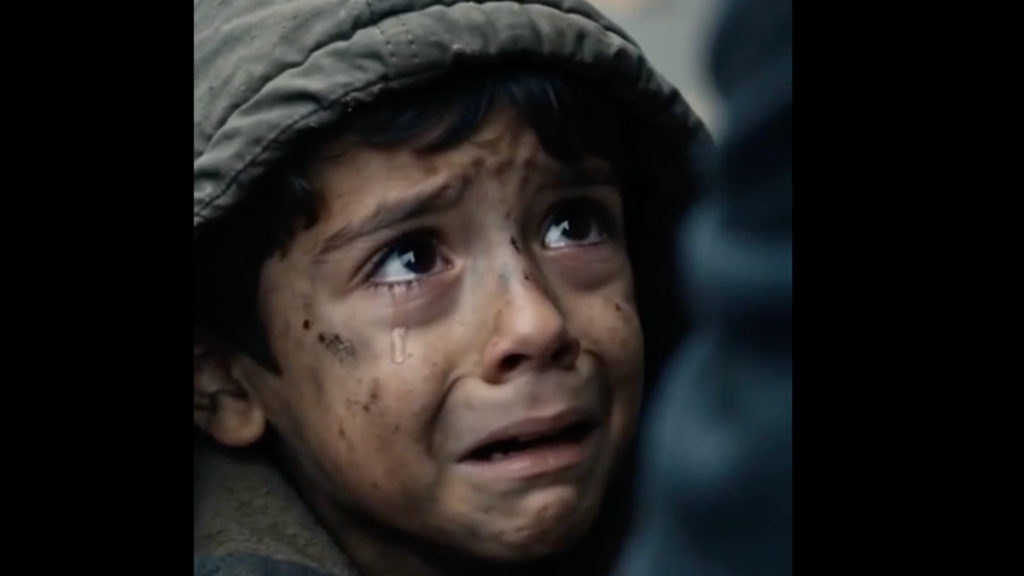
The boy looked filthy.
His hoodie hung off one shoulder.
His shoes were soaked through.
He smelled like rain and cold pavement.
But he wasn’t looking at Daniel.
He was staring at Sophie like he knew her.
That was the first thing that unsettled me later, when I replayed the moment over and over in my head.
Not the strange thing he said.
The way Sophie looked back at him.
The Boy Who Wouldn’t Move
“I can make her walk again,” he said quietly.
Daniel snapped immediately.
“For God’s sake,” he muttered. “Not this again.”
I understood why he reacted that way.
After the accident, and after my sister died, I moved in to help with Sophie.
And the advice?
It was relentless.
Someone recommended crystals.
Another woman handed me oils in a grocery store parking lot.
One man told Daniel that Sophie’s condition was “spiritual.”
Every desperate parent learns something ugly very quickly.
Hope attracts predators.
And Daniel had become protective in a way that bordered on frightening.
“Doctors couldn’t cure her,” he said sharply. “You think you can?”
The boy flinched.
But he still didn’t move.
“I don’t need to cure her,” he whispered.
Something about the way he said it made Sophie finally lift her head.
She had been crying before he stepped in front of us.
Quietly.
Trying not to let her father notice.
That yellow sweater she wore became her armor after the accident.
She wore it constantly because it had belonged to her mother.
When she looked up at the boy, her face changed completely.
Not fear.
Recognition.
“Owen?” she whispered.
The boy’s eyes filled immediately.
“You remember me.”
Daniel stepped in front of Sophie so fast her wheelchair bumped backward.
“How do you know my daughter?”
Owen reached inside his hoodie slowly, like he expected Daniel to hit him.
Then he pulled out a dirty yellow ribbon.
I still remember the sound Sophie made when she saw it.
Not a gasp.
Something smaller.
Like the air left her body all at once.
The Ribbon
The ribbon had belonged to her mother.
I knew that because Sophie used to sleep with it wrapped around her wrist every night after the accident.
Then one day it disappeared.
We searched the house for hours.
Sophie cried herself sick over it.
Daniel eventually told her maybe it had been lost at the hospital.
But now here it was.
Mud-stained and wrinkled in a homeless boy’s shaking hand.
“I found her after the crash,” Owen said.
Daniel went completely still.
“No,” he said. “You’re lying.”
“She wasn’t alone.”
Daniel’s face changed so fast it scared me.
For eighteen months, he had repeated the same story to everyone.
The police.
The doctors.
Family.
Insurance people.
His wife died instantly.
Sophie survived.
End of story.
That was the official version of what happened on that highway.
But Owen kept talking.
“Her mother was alive when I got there.”
Sophie grabbed the arms of her wheelchair so tightly her knuckles turned white.
Daniel stared at the boy.
“My wife died on impact.”
Owen shook his head slowly.
“She talked to me.”
Nobody moved.
Traffic hummed behind us.
A bus hissed at the curb nearby.
Somewhere down the block, someone laughed.
And suddenly all of it felt very far away.
Then Owen said the sentence that changed everything.
“She made me promise something before the men took them away.”
The Word That Changed Everything
Men.
Not paramedics.
Not police.
Men.
Daniel grabbed Owen’s shoulder hard enough that I saw the boy wince.
“What men?”
Owen looked terrified now.
Not of Daniel.
Of the memory.
“She told me to tell Sophie she could still walk,” he whispered.
Sophie started crying silently.
Then Owen said something that made my stomach drop.
“She was standing beside me when they put Sophie in that wheelchair.”
Daniel let go of him instantly.
For a second, nobody spoke.
Then Daniel said the thing I think he regretted the moment it came out.
“You’re confused.”
Owen shook his head.
“No.”
“You were a child. You still are.”
“I still remember.”
“You saw an accident. Trauma changes memory.”
Owen looked straight at him.
“She was walking.”
The street suddenly felt too small.
Too loud.
Too exposed.
And the strangest part was this:
Sophie didn’t look surprised.
She looked scared.
Sophie Knew More Than We Did
That night, Sophie refused to sleep.
I heard Daniel pacing downstairs until nearly three in the morning.
Cabinet doors opening and closing. Ice dropping into glasses.
He did that when he was trying not to lose control.
Around two, I heard Sophie call my name.
When I walked into her room, she was sitting upright in bed holding the ribbon.
“He found me,” she whispered.
I sat beside her carefully.
“What do you remember about him?”
She stared at the ribbon for a long time before answering.
“I thought he was a dream.”
That sentence stayed with me.
Not because it sounded dramatic.
Because she said it so plainly.
Like she had spent a year and a half trying to convince herself of it.
“He was there after the crash,” she said quietly. “Mom talked to him.”
I felt cold all over.
“Sophie…”
“She told me not to tell Dad.”
I stopped breathing for a second.
“What?”
Sophie’s eyes filled with tears again.
“She said Dad would get angry.”
The Story Started Cracking
The next morning, Daniel acted like none of it happened.
He made breakfast.
Answered emails.
Took calls from work.
Too normal.
That was what frightened me most.
People think grief always looks emotional.
Sometimes it looks controlled.
Too controlled.
Sophie barely touched her food.
Finally she asked, “Why did Mom say not to tell you?”
Daniel set his coffee down slowly.
“She didn’t.”
“She did.”
“You were confused after the accident.”
Sophie stared at him.
“So was Owen confused too?”
Daniel looked exhausted suddenly.
“He’s homeless, Sophie. He probably needs money.”
But Owen had never asked us for anything.
Not once.
That detail sat heavily in the room.
Then Sophie asked the question none of us wanted to touch.
“If Mom was alive… why did nobody help her?”
Daniel stood up immediately.
“That’s enough.”
But it wasn’t enough anymore.
Not even close.
We Went Looking For Owen
Two days later, Owen disappeared.
Daniel claimed he probably moved on.
Sophie cried harder over that than I had seen her cry in months.
Which told me something important.
She trusted him.
I couldn’t stop thinking about that.
Children know when someone feels safe.
And Sophie never looked afraid around Owen.
Only sad.
Then, three days later, Sophie asked me to take her downtown.
She said she wanted fresh air.
Instead, she led me straight to the alley behind a closed bakery.
Owen was there.
Curled beneath cardboard beside a heating vent.
He looked smaller asleep.
You forget how young homeless children are until you see them resting.
The dirt and survival instincts disappear for a minute.
Then they just look like kids.
Sophie rolled toward him slowly.
“Owen,” she whispered.
He woke instantly like someone used to danger.
When he saw us, he relaxed.
“You came back,” Sophie said.
Owen looked down.
“I wasn’t supposed to.”
The Thing He Was Afraid Of
We brought him food first.
He ate carefully.
Fast, but controlled.
Like someone used to having meals taken away.
Daniel would have hated that I met him again without telling him.
I knew that.
But something felt wrong.
Not with Owen.
With the story.
Finally I asked the question directly.
“What happened after the accident?”
Owen’s face changed immediately.
“I can’t.”
“Why?”
He looked over his shoulder toward the street.
Because he was checking if someone followed him.
That was when I realized this fear had lasted longer than a few days.
Longer than a few months.
Maybe eighteen months.
“They told me not to talk,” he whispered.
“Who?”
“The men.”
Sophie’s breathing became uneven beside me.
“What men?” I asked again.
Owen rubbed his hands together nervously.
“The ones who took your mom.”
The way he said it made my skin crawl.
Not your mother’s body.
Your mom.
Present tense.
Like part of him still saw her alive.
Then he whispered something that nearly stopped my heart.
“She was trying to stand when they carried Sophie away.”
Daniel Finally Broke
I confronted Daniel that night.
Not angrily.
Quietly.
Sometimes quiet questions scare people more.
“What really happened after the crash?”
He stared at me for a long time before answering.
“Exactly what I told you.”
“Then why is Sophie remembering things differently?”
“She was injured.”
“And Owen?”
“He’s lying.”
I watched him carefully.
“You never told me there were other people there before paramedics arrived.”
Something flickered across his face.
Just for a second.
“There were probably bystanders.”
Probably.
Not definitely.
That single word cracked something open inside me.
Then I asked the question I had been avoiding.
“Why did your wife tell Sophie not to trust you?”
Daniel slammed his hand against the kitchen counter so hard I jumped.
“She didn’t.”
The silence afterward felt dangerous.
Then he said quietly:
“You need to stop talking to that boy.”
Not “he’s confused.”
Not “he needs help.”
Stop talking to him.
That was different.
And Daniel knew it.
Sophie Started Trying to Stand
Three nights later, I heard a crash upstairs.
I ran into Sophie’s room and found her on the floor beside her wheelchair.
She looked terrified.
Not because she fell.
Because she had almost stood.
“I felt my leg move,” she whispered.
Daniel arrived seconds later.
The moment he heard what happened, his entire face drained of color.
Sophie looked up at him with tears in her eyes.
“I felt it.”
Daniel knelt beside her too quickly.
“No,” he said immediately. “No, sweetheart. Don’t do this to yourself.”
But Sophie kept shaking her head.
“I felt it.”
Then something happened that I still replay in my head.
Daniel looked afraid.
Not hopeful.
Afraid.
The Medical Files
The next day, while Daniel was at work, I searched through the office closet for Sophie’s records.
I wasn’t even fully sure what I was looking for.
Maybe inconsistencies.
Maybe reassurance.
Instead, I found a folder I had never seen before.
Inside was a report from the first hospital after the crash.
One line had been circled heavily in black ink.
Patient demonstrates intermittent lower-limb response to stimulus.
Below that, another note.
Further neurological observation recommended before permanent mobility prognosis.
The date was two days after the accident.
Two days.
I sat there staring at the paper while my hands shook.
Because Sophie had been declared permanently unable to walk less than a week later.
There were more pages missing from the folder.
Torn out cleanly.
That was when I realized something horrible.
Someone had edited the story long before Owen appeared.
And I was starting to understand who.
The Video Sophie Was Never Meant to See
Everything changed because of an old phone.
Owen showed up outside the house one evening soaked from rain.
Sophie spotted him first through the front window.
Daniel wasn’t home yet.
Owen held something inside his hoodie like it mattered more than staying dry.
“It finally turned on,” he said.
It was a cracked phone with half the screen blacked out.
He said he had taken it from the accident site after everyone left because he thought somebody would come back for it.
Nobody ever did.
“There’s a video,” he whispered.
Sophie looked at me.
I already knew I shouldn’t press play.
But I did.
The Last Minutes Before Everything Changed
The video was shaky and dark.
At first it only showed pieces of the dashboard and windshield.
Then Sophie’s mother appeared briefly, laughing about something off camera.
Alive.
Healthy.
Walking.
My chest tightened immediately.
The timestamp showed twenty minutes before the crash.
Then the argument started.
Daniel’s voice filled the car.
Not yelling at first.
Cold.
Sharp.
I couldn’t hear every word clearly, but I heard enough.
“You tell them and everything falls apart.”
Then Sophie’s mother answered:
“She deserves the truth.”
The video ended suddenly after loud movement and Sophie screaming from the back seat.
That alone would have been devastating.
But there was more.
At the very end, after the screen went dark, one sentence was still audible.
Daniel saying:
“You’re not taking Sophie from me.”
The Story Went Public By Accident
I wish I could say we made a smart plan.
We didn’t.
Sophie uploaded the clip herself.
Not the whole thing.
Just the audio.
She posted it late at night from her bedroom because she said she was tired of everyone telling her what she imagined.
By morning, thousands of people had shared it.
Then reporters started calling.
Then police.
Then Daniel came home early.
I will never forget his face when he realized the story was public.
Not anger first.
Fear.
Pure fear.
“What did you do?” he asked Sophie.
She looked terrified.
But she didn’t back down.
“I remembered.”
The Version of Daniel I Had Never Seen
For the first time since I met him, Daniel stopped pretending to be calm.
He started pacing.
Shouting.
Demanding the phone.
Demanding Owen’s location.
That frightened me more than anything else.
Because innocent people usually want answers.
Daniel wanted control.
At one point Sophie quietly said, “Did Mom try to leave?”
Daniel froze.
The silence afterward felt endless.
Then he whispered:
“You don’t understand what happened.”
Not “no.”
Not denial.
Just that.
And Sophie noticed it too.
I saw the realization hit her in real time.
The Investigation Reopened
Within forty-eight hours, the case reopened officially.
A retired paramedic came forward after hearing the audio online.
He said he remembered arriving at the crash scene and seeing Sophie’s mother conscious for several minutes.
Another witness claimed there had been an argument before the car left the road.
Then questions started piling up around the hospital records.
Missing scans.
Changed notes.
Conflicting timelines.
The internet did what it always does.
Some people turned Daniel into a monster immediately.
Others defended him aggressively.
But Sophie stopped reading everything after the first day.
“I don’t want revenge,” she told me quietly.
“I just want the truth.”
Owen Told Us the Rest
A week later, Owen finally explained why he disappeared after the crash.
One of the men had given him money.
Not much.
Just enough to scare a hungry kid into silence.
“He told me nobody would believe me anyway,” Owen said.
The worst part was how normal he sounded saying it.
Like adults failing him was expected.
Then he looked at Sophie carefully.
“Your mom kept trying to move her legs.”
Sophie started crying immediately.
Because deep down, she had already begun understanding something impossible.
Maybe she never lost the ability completely.
Maybe she lost the belief first.
The First Step
Physical therapy restarted slowly after that.
New doctors.
New scans.
New evaluations.
Nobody promised miracles.
But they also didn’t tell Sophie “never” anymore.
That mattered.
The first time she stood with support bars, the room went completely silent.
Sophie looked shocked.
Like she had spent eighteen months living inside someone else’s conclusion.
Then she took one shaking step.
Just one.
And started sobbing.
Not dramatic movie sobbing.
Quiet crying.
The kind that comes from finally letting yourself hope again.
Daniel’s Last Conversation With Sophie
Before the court hearings began, Daniel asked to speak with Sophie alone.
She agreed.
I waited outside the room for nearly an hour.
When Sophie finally came out, her eyes were swollen but calm.
I asked what he said.
She stared ahead for a long moment before answering.
“He said he thought he was protecting me.”
I didn’t know what to say to that.
Maybe neither did she.
Because sometimes people destroy things while convincing themselves they’re saving them.
And sometimes the damage takes years to fully uncover.
Owen Got a Bed By the Window
The state eventually placed Owen with a foster family two towns away.
Good people.
Quiet people.
He still visits Sophie every few weeks.
The first thing he asked for when he saw his new room was a bed near the window.
He said he liked waking up where he could see the sky.
That sentence broke me a little.
Sophie walks short distances now.
Not perfectly.
Not easily.
But she walks.
And every time she does, I think about that freezing morning when a homeless little boy stepped in front of a wheelchair and refused to move.
Most people walked around him without looking twice.
They saw dirty clothes.
A street kid.
A problem.
But he carried the truth in his pocket for eighteen months.
And if Sophie hadn’t recognized him that day, he probably would have carried it alone forever.
