

Photo Credit: Evan Agostini/Invision/AP; Erika Frantzve/ Instagram
The Viral Rumor About Erika Kirk and Her Children
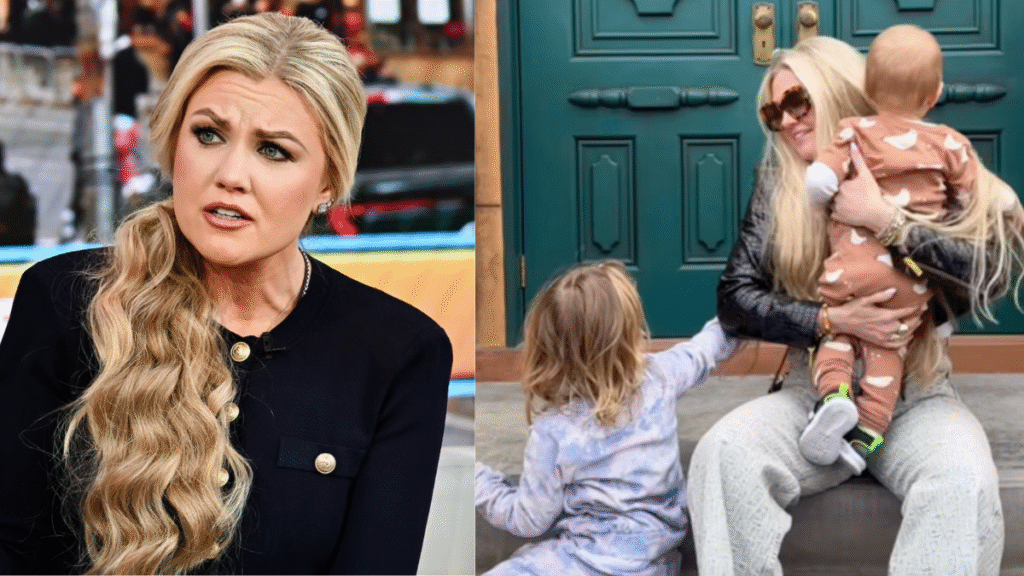
In early January 2026, a rumor spread online claiming Erika Kirk lost custody of her children. The claim went viral after a clip of U.S. Representative Anna Paulina Luna resurfaced on social media. Luna had appeared on the PBD podcast and made a comment about Erika Kirk “losing her kids.” Viewers interpreted her words as an allegation about custody.
However, this interpretation was incorrect. Erika Kirk has not lost custody of her two young children. She continues to raise them as their single mother following the death of her husband, Charlie Kirk, in September 2025. Online posts and artificial intelligence chat excerpts fueled speculation about a legal battle. These posts claimed that Charlie Kirk’s parents might have taken custody. Yet, no credible evidence supports any custody loss.
The misinformation swirled against the backdrop of intense online discussion. Some users posted misleading summaries claiming custody was transferred to others. None of these posts pointed to factual court records. In fact, searches in reliable news outlets and official filings revealed no custody case changes. Experts note that rumors often spread faster than corrections, especially when a public figure’s personal life is involved.
The viral narrative caught on because it tapped into public interest in the Kirk family. Charlie Kirk’s assassination shocked many, and Erika Kirk has remained in the spotlight. Her public grieving and advocacy against political violence drew sustained attention. Rumors about her personal life, including custody, grew from that attention.
It is important to separate misinformation from fact. In this instance, multiple fact-check investigations and clarifications confirmed that Erika Kirk retains custody of her children. The viral claim stemmed from a verbal misstatement, not a legal custody loss.
How the Rumor Started: Anna Paulina Luna’s Podcast Comments
The rumor about Erika Kirk’s custody situation traces back to an appearance by Representative Anna Paulina Luna. In October 2025, Luna spoke on the PBD podcast with Patrick Bet-David. She discussed conspiracy theories surrounding Charlie Kirk’s death. During the conversation, Luna said, “she did lose her husband, she lost her kids.” Many listeners misinterpreted this phrase.
At the time, Luna was addressing how people talk about tragedy, not legal custody outcomes. She meant that the children lost their father, not that Erika Kirk lost children to a custody battle. The podcast recording is unedited, and Luna later clarified her meaning. When the clip resurfaced online months later, viewers lacked context. Social media users shared text snippets that removed the surrounding explanation. This led to widespread misunderstanding.
Luna responded to one of these viral posts, explicitly clarifying her statement. She wrote that she “meant to say the kids lost their dad.” This correction addressed the core mistake in the viral claim. Despite Luna’s correction, many posts continued to spread the incorrect interpretation. Misunderstandings can linger long after corrective statements appear online. Experts warn that initial misstatements often have a stronger social media footprint than later clarifications.
Misinformation thrives when linked to emotional or controversial topics. In this case, the tragedy of Charlie Kirk’s death heightened sensitivity around discussions involving his widow and children. Some social media users were quick to amplify suspicious or negative interpretations. Others created speculative narratives without verifying facts.
The episode highlights how easily a single phrase can fuel rumors. Accurate interpretation requires context and careful listening. Luna’s comments were not about custody rights or legal proceedings. Rather, they spoke to emotional loss — a distinction that viral posts obscured.
It is crucial to assess such claims against credible sources. In this custody rumor, factual reporting and follow-up statements from Luna contradict the viral misrepresentation.
Erika Kirk’s Life After Charlie Kirk’s Death
Erika Kirk’s life changed dramatically after her husband, Charlie Kirk, was tragically killed. Charlie Kirk, founder of Turning Point USA and a prominent conservative activist, was fatally shot during an event in September 2025. His widow, Erika, has since taken on the dual role of mother and organizational leader.
In the aftermath, Erika has publicly spoken about the grieving process for her family. She shared powerful interviews about loss and forgiveness. In one interview with CBS, she reacted strongly to people celebrating her husband’s death. She said critics underestimated the human cost of tragedy and emphasized her children’s suffering. Such interviews showed her commitment to defending her family and her late husband’s legacy.
Erika also addressed the spread of conspiracy theories about her husband’s death. She asked critics to stop spreading hurtful rumors. Her emotional plea centered on protecting her children’s memories of their father. Social media users had celebrated Charlie Kirk’s death in some quarters, prompting Erika’s intense response. Her message underscored the need for empathy even amid political division.
Instead of retreating from public life, Erika continued her work with Turning Point USA. She has publicly committed to preserving her husband’s initiatives through organizational and media efforts. Her public presence reinforces her role as both caregiver and leader.
Despite serious loss, she has maintained stability for her young daughter and son. The children are approximately three and one years old, respectively, at the time of reporting. Media coverage emphasizes that Erika is actively raising them, contrary to custody rumors.
Erika’s tenacity reflects how many widowed parents face dual pressures — raising children while navigating public scrutiny. Her example highlights resilience in the face of personal tragedy and public misinformation. It also frames a clear narrative: rumors do not define reality.
The Role of Social Media in Spreading the Claim
Social media played a central role in amplifying the custody rumor about Erika Kirk. Platforms like X, Facebook, and AI chatbots were part of the story’s rapid spread. One popular AI chatbot, Grok, even echoed the incorrect narrative that Erika might have lost custody.
Many users posted short previews of Luna’s podcast comment. These posts omitted Luna’s full clarification and surrounding context. Without full context, readers easily interpreted “lost her kids” as a legal judgment. The misrepresentation spread through retweets, discussion threads, and comment sections. In some cases, users added speculation about custody battles with Kirk’s extended family.
Another factor was the emotional context. Charlie Kirk’s death were politically charged and tragic events. Online communities often react with strong emotions to such coverage. Emotional posts tend to receive more shares and reactions than careful clarifications. This dynamic helped the rumor gain traction. Experts describe such patterns as “rumor cascades,” where an initial error multiplies quickly across networks.
Occasionally, an influential user or account will repeat a claim before verification. Followers then assume legitimacy. In this case, many reposted the narrative without checking official sources or statements. Fact-checkers later debunked the claim, but correction messages typically reach fewer people than the original rumor.
This incident underscores the importance of media literacy. Users should critically evaluate sensational claims before sharing. Always check multiple reputable news outlets or official statements before believing wild assertions. In this custody rumor, no credible reporting supported the loss of custody claim.
Responsible platforms and content moderators also face challenges. Balancing rapid information flow with accuracy remains a core issue for social media companies. Rumors like this can damage reputations and cause unnecessary distress to families already coping with loss.
Understanding how misinformation spreads helps people recognize false narratives early. In Erika Kirk’s case, the custody rumor serves as a cautionary tale about unchecked social media discourse.
Separating Fact From Fiction in High-Profile Stories
High-profile individuals often face intense scrutiny after personal tragedies. The rumor about Erika Kirk losing custody demonstrates how easily misinformation can spread. It reveals how a single misphrased sentence can morph into a false narrative on social media.
Fact-checking is crucial in these situations. In this case, multiple reputable outlets confirmed that Erika Kirk has not lost custody of her children. Websites like Lead Stories clearly debunked the claim, noting that Anna Paulina Luna’s comment was misunderstood. Instead of legal issues, Luna’s original remark addressed emotional loss — a distinction that was lost in many viral posts.
Moreover, there is no evidence of any court case or legal document showing a custody transfer. Searches of news archives and public records turned up no credible proof of custody change. Rumors about legal battles with Charlie Kirk’s parents also lack substantiation.
The persistence of rumors reflects larger patterns in political and celebrity coverage. People increasingly form conclusions based on snippets, clips, or out-of-context quotes. This creates opportunities for misunderstandings to become entrenched beliefs. Users must approach such content carefully and skeptically.
Another lesson is the value of direct clarification. When Luna corrected her statement on social media, she helped clarify the context. However, her clarification did not fully curb the spread of the incorrect interpretation. This demonstrates the uphill battle fact-checkers face when misinformation gains early momentum.
In summary, Erika Kirk’s custody status remains unchanged. She continues to raise her children and has not lost legal custody. Rumors should not overshadow documented fact or official statements.